
Best Time to Visit India for a Tiger Safari
A tiger sighting is never a sure thing. But the month you choose to travel can substantially change the odds in your favour. How often tigers come into the open, and how well you can see them, depends on the weather, vegetation cover, water availability and animal behaviour. This guide sets out the best time for a tiger safari in India, taking you through each season, each major park, and every practical detail you need to plan a rewarding wildlife trip.
India's Three Safari Seasons at a Glance
India’s tiger reserves run on three seasonal windows: winter (October to February), summer (March to June) and monsoon (July to September). Each season offers a different experience. Winter brings moderate temperatures and rich birdlife. Summer draws wildlife to water sources and raises the number of sightings. During the monsoon, most core zones close while a few buffer zones stay open. Knowing these periods is the first step to choosing the right safari season for your goals.
Winter (October to February): Pleasant and Rewarding
The daytime temperatures in India’s tiger reserves during winter vary from 15°C to 28°C, making it the most physically suitable time for long safari drives. Vegetation remains rather lush in the first months, while birdlife peaks with the arrival of migrating species from Central Asia and Europe. Winter tiger sightings are not spectacular, but they are steady. Animals range over larger areas, and vegetation cover can hide movement. However, October and November are a sweet spot: parks such as Kanha National Park have just reopened after the monsoon, tigers are active, and visitor numbers are low.
Corbett National Park does extremely well in this window. Sightings are strong from November through to February, and the Dhikala grasslands and Ramganga river corridor are well worth visiting for their elephant activity, which adds a lot of value to every drive.
Summer (March-June): The Best Time to See Tigers
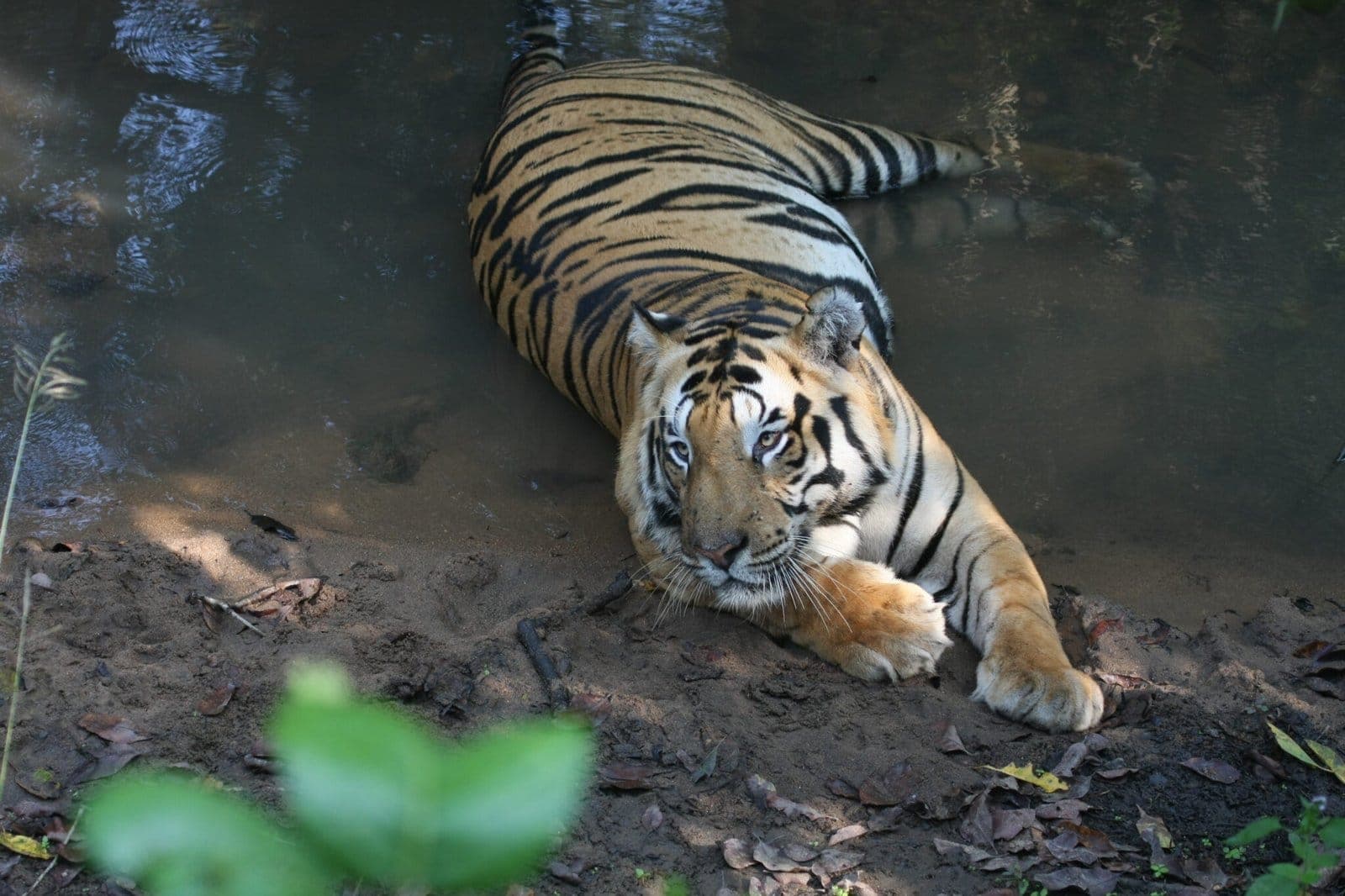
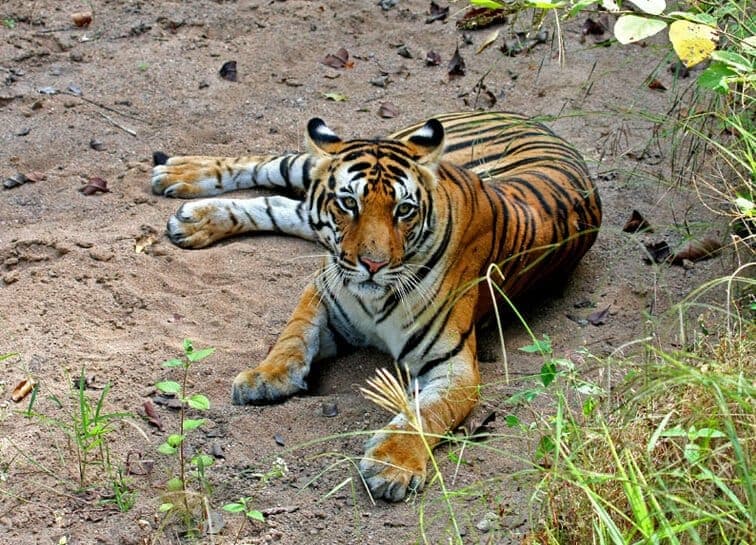
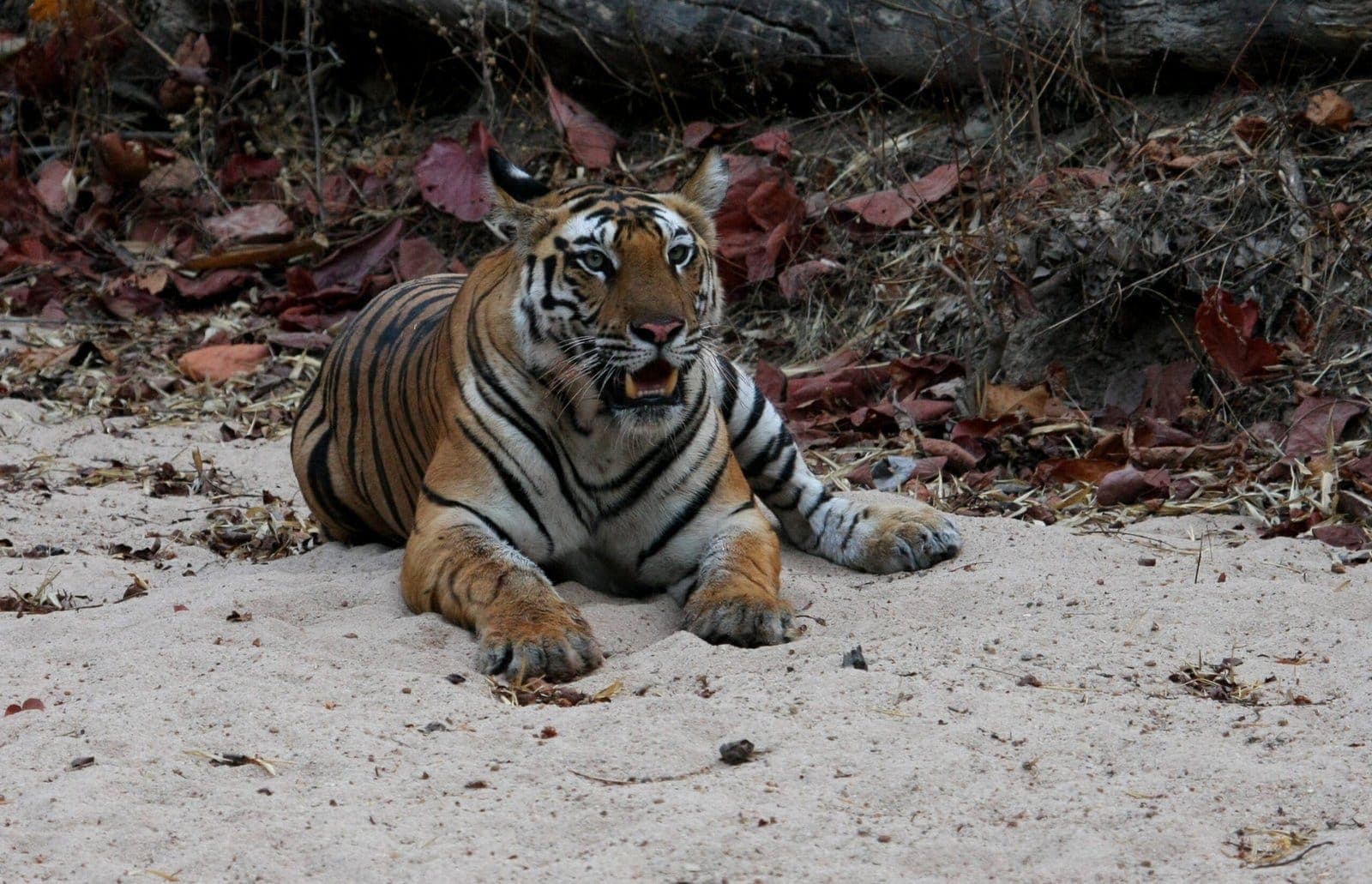
Summer is widely regarded as the ideal time to go on a tiger safari in India, and with good reason. As temperatures rise to 40°C and beyond, water sources dry up. As deciduous trees shed their leaves, the forest thins out, and less foliage cover means that tigers are seen from much larger distances. Afternoon safari slots are particularly productive as animals, both predator and prey, gather around surviving water holes and rivers. April and May give the highest chance of a tiger sighting of any months in the year.
This is when a wildlife safari in India is most rewarding for patient visitors. Early morning drives are cool and lively. The midday heat drives animals into the shade. Late-afternoon drives around waterholes often reward you with long, unobstructed views. If you want to get the most out of every safari drive, summer is the best season to go, and it is when reserves such as Tadoba Andhari Tiger Reserve and a Ranthambore safari are at their most productive.
Monsoon (July to September): Core Zones Closed, Buffer Zone Open
Most of the core zones of the tiger reserves in India are shut for visitors from July 1 to September 30. There are two main reasons for the closures: the monsoon coincides with the tigers’ breeding season, reducing human activity at a crucial biological period, and the rains make forest roads and tracks unusable. This pattern holds for national park opening dates across India, although the exact dates differ by state and reserve.
A few reserves still offer buffer zone safaris in the monsoon. Limited access to buffer zones in Tadoba, Pench, and Satpura is allowed during monsoon months. Sightings are less predictable, but fewer visitors and the atmosphere of rain-washed forests make for a rewarding trip for adventurous travellers. Sightings are never certain at this time; it suits people who enjoy solitude and a different kind of immersion.
October: The Overlooked Shoulder Month
October deserves far more attention than it gets. Most parks open their core zones by mid-October, fresh from the monsoon. The vegetation is green, waterholes are abundant, and tigers are active after three months of little human contact. October is low season, and visitor numbers are much lower than in peak season. This means fewer safari vehicles, quieter areas, and a more private experience overall. The weather is pleasant, permits are simpler to get, and the early enthusiasm of the season translates into great sightings. October is the perfect middle ground for travellers wary of summer crowds.
Park-Specific Timing Recommendations
Kanha
The best time to visit Kanha National Park is April or May. The broad meadows and water sources of Kanha and Mukki zones are highly productive during these months. In late April, sightings of tigers with cubs increased.
Ranthambore
The best season to visit Ranthambore is March to June. In summer, tigers are lured out into the open every day by the park’s lakes such as Padam Talao, Malik Talao, and Raj Bagh. This is when the reserve is in full swing.
Bandhavgarh
The best time for a Bandhavgarh tiger safari is March to May.
Jim Corbett
Corbett is best visited between November and February, especially the Dhikala zone. The Ramganga river ecology and cooler temperatures make for longer, more comfortable drives with great multi-species sightings.
Tadoba
Tadoba runs well all year round, excluding the monsoon months. The dry deciduous environment gives good sightings from February to June and a good post-monsoon alternative in October to November.
The Best Time for Wildlife Photography
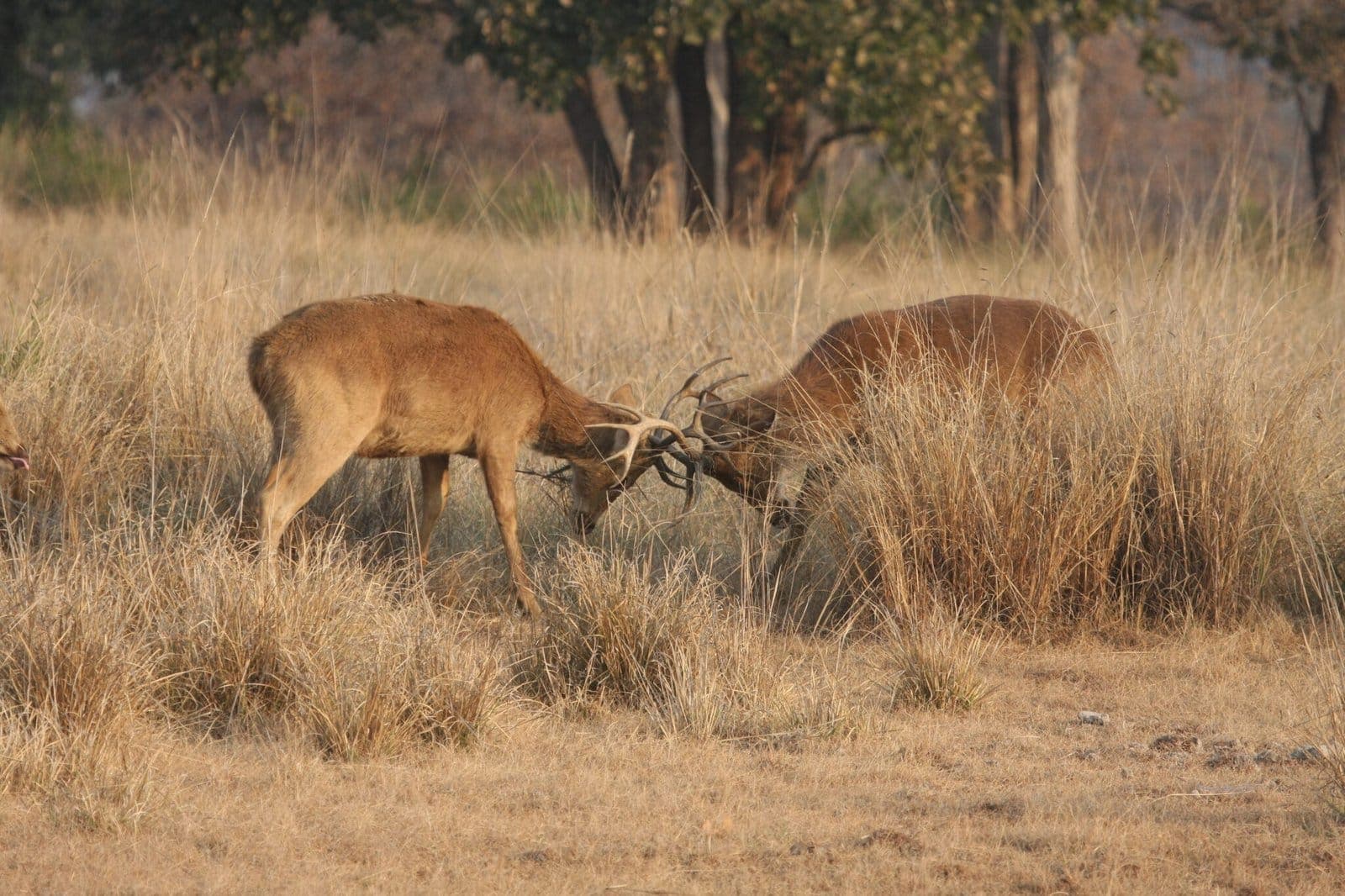
For photographers, the best period for a tiger safari in India is April and May, and not only because of the chance of a sighting. During these months, the morning golden-hour light is what separates portfolio-worthy images from record shots. Sparse vegetation widens the shooting window considerably. This is also the time when the tiger’s behaviour is the most varied. Hunting attempts around waterholes, territorial clashes, and encounters between a tigress and her cubs are all more frequent. The mating season falls in July and August, when most areas are closed to tourists, though you may occasionally catch it from the buffer zones. It is a unique window of behaviour for those who want to capture the moment.
Safari Zone Opening Times and Entry Rules
Zone schedules across Project Tiger reserves follow a broadly similar pattern. Most core zones have two safari sessions a day, morning (6:00 to 10:00) and afternoon (3:00 to 6:00).
Many parks in Madhya Pradesh close at least one core zone on Wednesdays, which affects permit availability, so factor this in when planning your itinerary.
Buffer zones often offer more flexible access windows and are open in monsoon months in some reserves. Overall sighting frequency is often better in the morning slots than in the afternoon slots.
In summer, afternoon drives around waterholes are very productive.
Packing List for Every Season
Winter
Dress in layers. Mornings start cold, frequently below 10°C in open-canopy jeeps, but afternoons warm up quickly. Take a fleece, a windproof outer layer, and a light cotton mid-layer for the entire day. Fog-resistant lenses are a plus.
Summer
Must-haves: breathable cotton clothes in neutral or earth tones, a wide-brimmed hat, high-SPF sunscreen, UV-protection sunglasses, and a big reusable water bottle. Electrolyte tablets are recommended for long drives in temperatures above 40°C.
The Monsoon
Essentials are a lightweight waterproof rain jacket, quick-drying pants, waterproof footwear, and a dry bag for photographic gear. Insect repellent is a must, and photographers will appreciate humidity-proof lens wipes.
Permitting and Booking Timelines
At most Indian reserves, core zone permits open 120 days before the safari date. There are separate quotas for foreign and Indian nationals, and peak season dates, especially April and May at Bandhavgarh, Kanha, and Ranthambore, get booked within hours of opening. Buffer zone permits for summer safaris are easier to get, but still need some planning ahead. Managing this intricacy across various parks, with overlapping closure dates and different state restrictions, is one of the less obvious but most crucial parts of a successful tiger expedition.
Plan Properly for the Right Season
On a tiger safari, timing is important. Winter rewards birdwatchers and first-time visitors. Summer gives the best chance of sightings. The monsoon offers solitude for the adventurous. October gives early movers a head start on the new season. Ultimately, the perfect time for a tiger safari in India is the season that fits your goals, and our tiger safari season guide helps you weigh them up. Getting this right is what makes a good safari a great one. Curated Canopy Safaris manages the permit logistics, park-specific timing and naturalist expertise, so your trip is designed around the experience you want. Contact us to start planning.
Frequently asked questions
Which months are best for seeing tigers in India?
April and May give the highest chance of a tiger sighting. Summer (March to June) is widely regarded as the best season, as shrinking water sources and thinner forest bring tigers into view.
Are India’s tiger reserves open during the monsoon?
Most core zones close from July 1 to September 30. Limited buffer zone access is allowed in reserves such as Tadoba, Pench and Satpura during the monsoon months.
Is winter a good time for a tiger safari?
Yes, for comfort and birdlife. Daytime temperatures range from 15°C to 28°C and tiger sightings are steady rather than spectacular. October and November are a sweet spot, with parks freshly reopened and fewer visitors.
How far ahead should I book safari permits?
At most Indian reserves, core zone permits open 120 days before the safari date, and peak April and May dates at Bandhavgarh, Kanha and Ranthambore can go within hours of opening.