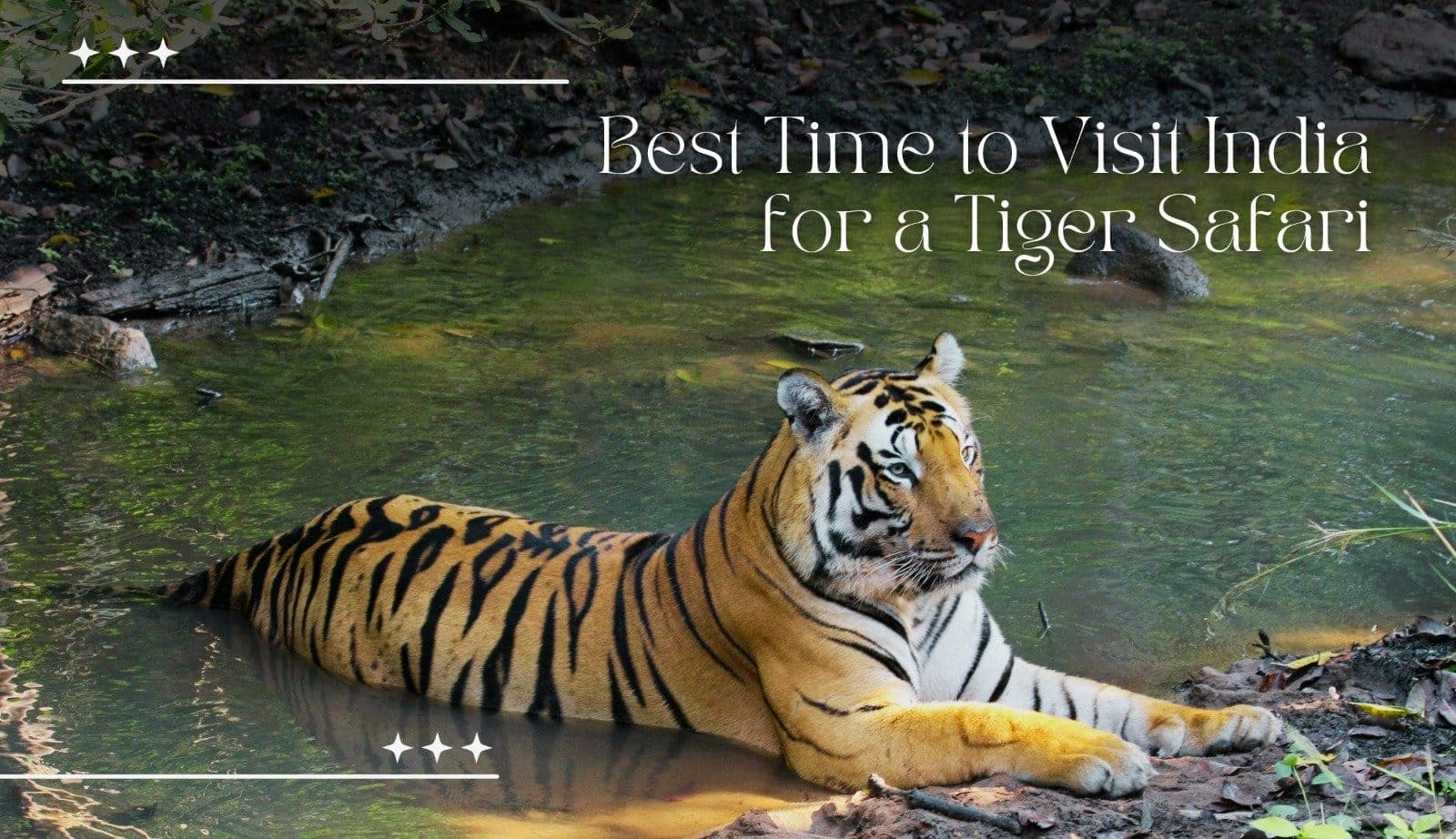

Best Time for Tiger Safari in India: Season-by-Season Guide
Timing is essential when you arrange a trip to see wildlife. The greatest time for a tiger safari in India depends on more than simply the weather. It also depends on how the animals act, how the forest is doing, and how much fun you have on the safari. India has some of the richest tiger reserves in the world. Picking the proper time of year can mean the difference between seeing a tiger and having a great experience.
This guide is about choosing a season, not a date: winter for comfort and birdlife, summer for the best chance of seeing tigers, or the monsoon for green, quiet forests. Read on to see which one suits the trip you want. If you already know your season and want to narrow it down further, our month by month guide goes into more detail.
If you are planning your vacation with Curated Canopy Safaris, knowing how the seasons change will help you make the most of your time there. Whether you are interested in a Wildlife Safari in India or a more immersive wild safari in India, knowing when to go is the first step to success.
Understanding the Tiger Safari Season in India
It’s crucial to know how seasons affect wildlife movement before picking the optimal time for a tiger safari in India. There are three main parts to the tiger safari season in India: winter, summer, and monsoon. Every season is distinct, and you should expect what nature has to offer throughout that time.
Most of the time, national parks are open from October to June, although they close during the monsoon since it rains a lot. When are parks open? That’s not the only question. The actual question is when are you most likely to see a tiger?
When thinking about the optimal time to go on a tiger safari in India, you need to find a balance between comfort, visibility, and wildlife activity.
Winter Season (October to February)
People generally say that the winter months are the best time for travellers. After the monsoon, the woodlands are full of life, and the weather is nice all day long.
A lot of people think that winter is the greatest time to go on a tiger safari in India, however sightings can be less common at that time. This is because there is a lot of water, which lets tigers travel freely around the jungle without having to stay near certain waterholes.
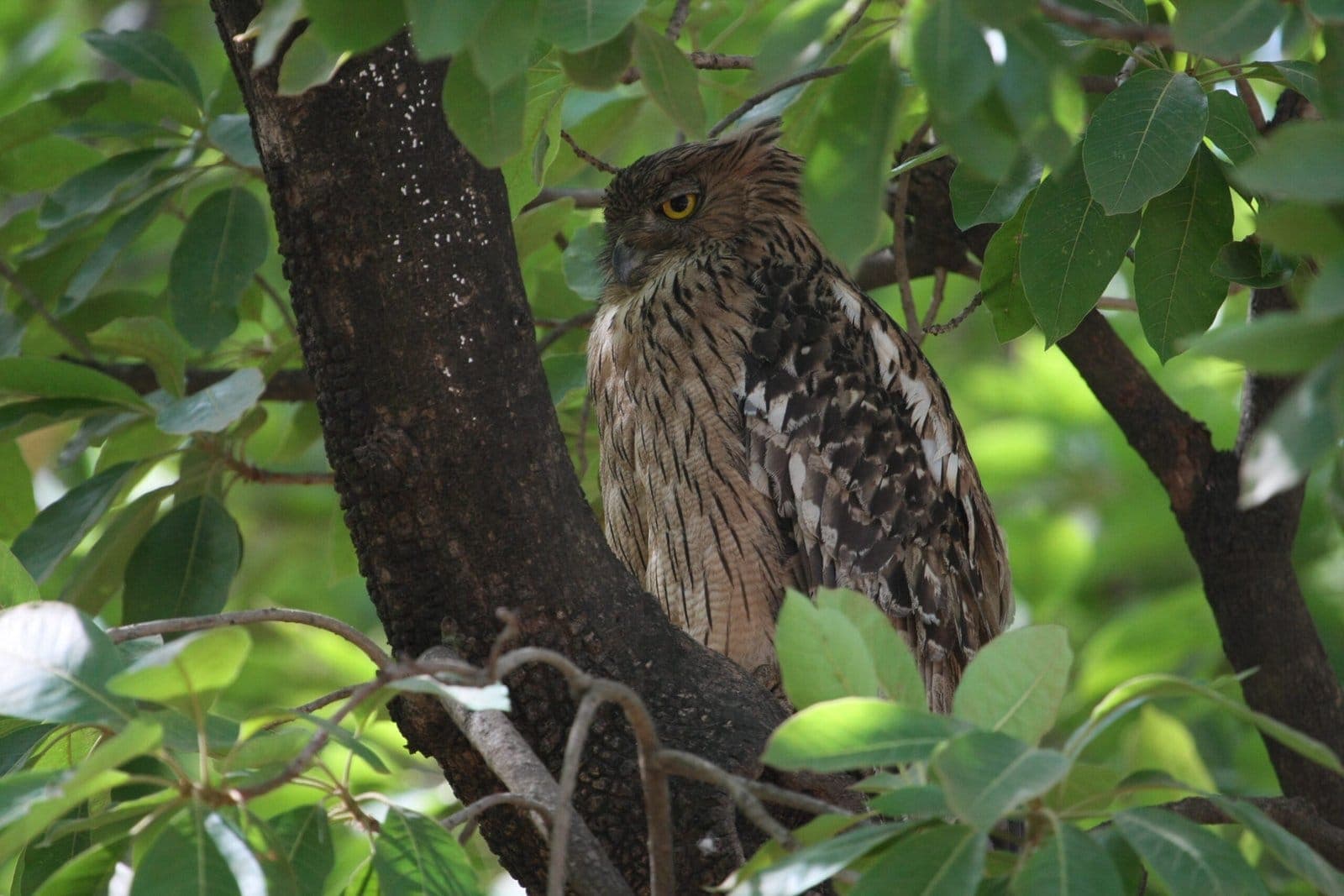
But winter has its own good things. The temperature is cool, which makes safaris more fun, the terrain appears bright, and the birds are at their best. This time of year is great for first-time visitors who want to see a lot of different kinds of animals, whether in the teak forests of Pench National Park or on a Jim Corbett safari through its grasslands and river valleys.
If you’re interested in more than just tigers, winter is the best time to go on a tiger safari in India. This is because it’s the best time to see a lot of different animals and take pictures.
Summer Season (March to June)
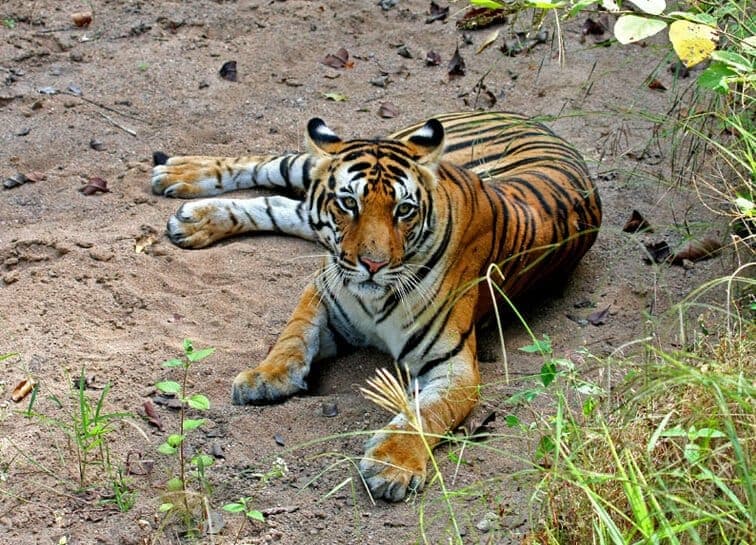
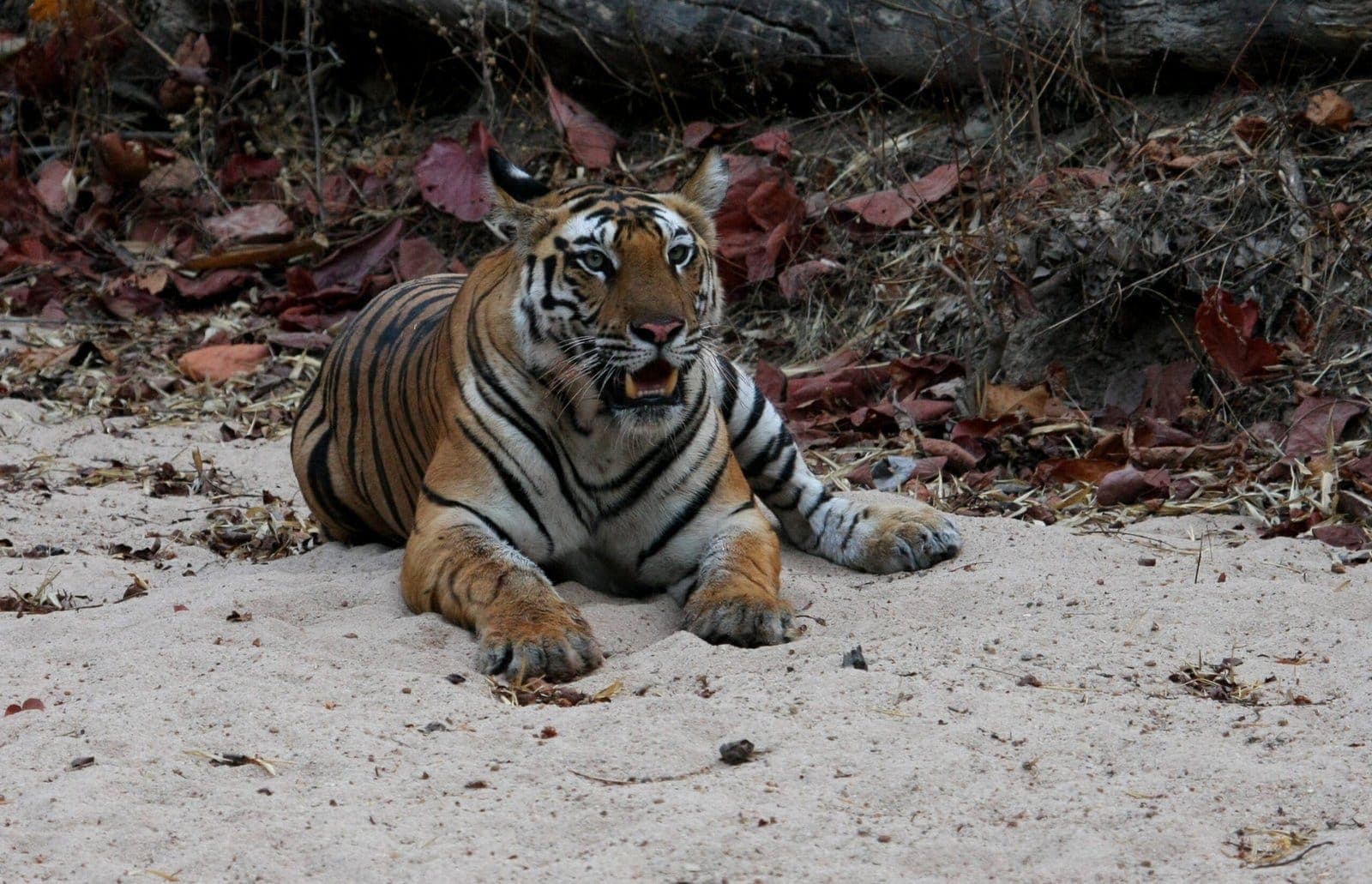
Now we get to the most important part of the conversation about the optimum time for a tiger safari in India. Most people think that summer is the best time to see tigers.
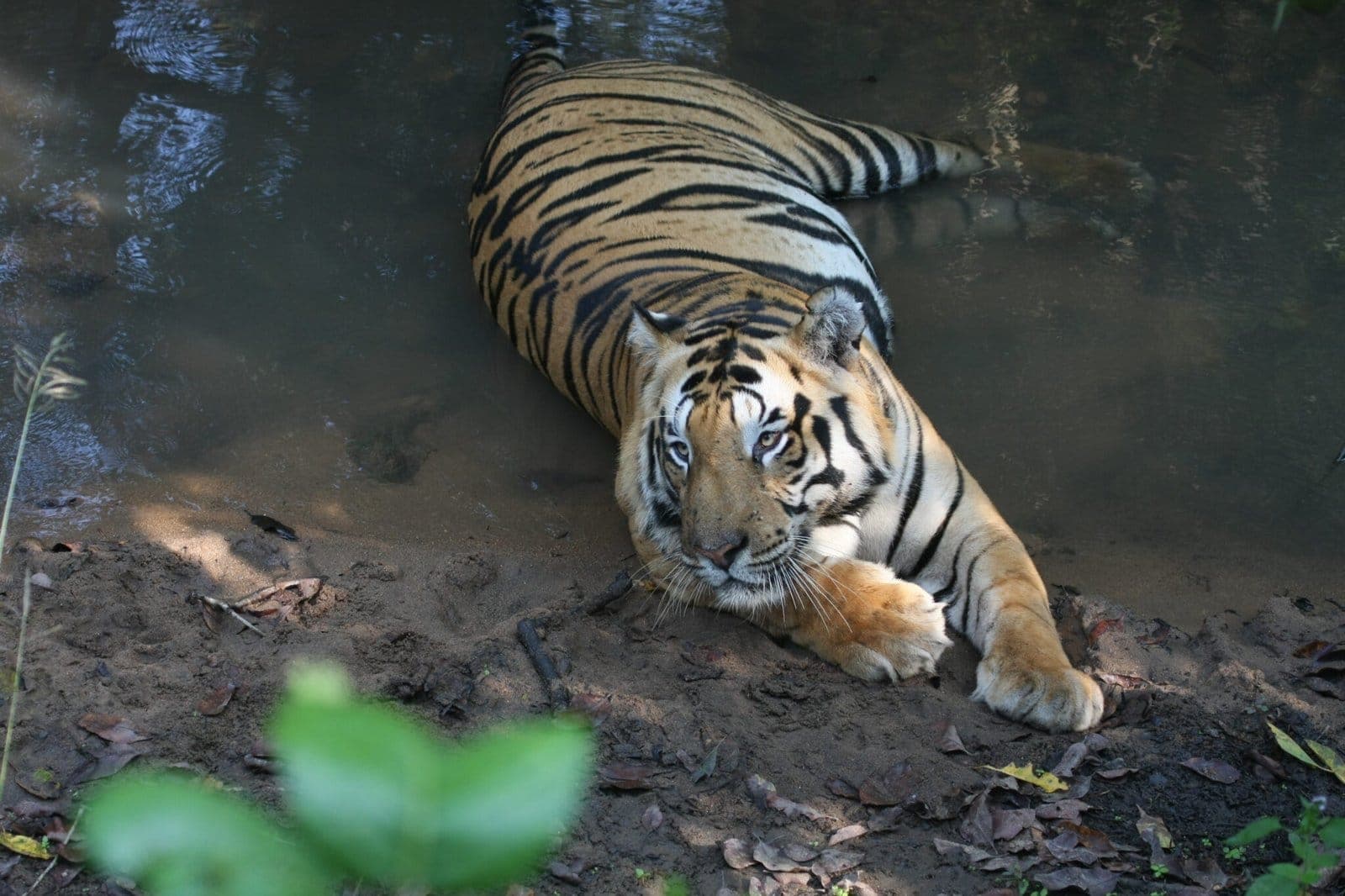
When it gets hotter, water supplies start to dry up. Because of this, tigers and other animals concentrate around the last bodies of water, making them easier to see. This movement that you can count on greatly raises your chances of seeing something.
Experienced wildlife tourists like to go during this time, even though the heat can be very strong, especially in central India. If your main goal is to see a tiger, this is obviously the greatest time to go on a tiger safari in India.
Also, the plants are thinner in the summer, which makes it easier to see and follow things and take clearer pictures. The trees look rough and golden, which contributes to the safari’s particular attractiveness.
So, when looking at the tiger safari season in India, summer is the best time for serious wildlife lovers.
Monsoon Season (July to September)
The monsoon season is very different from the rest of the year. Most tiger reserves are closed during this time because of safety concerns and bad road conditions.
Dense vegetation and frequent rains make it hard to see animals, even in parks that are just partly open. Tigers like to stay hidden, and the forest gets thick and hard to get to.
That being said, the monsoon makes the jungle a beautiful, green paradise. It might not be the finest time for a tiger safari in India, but it’s perfect for people who love nature and want to see beautiful places and be quiet.
If seeing tigers is your main goal, this is not usually the greatest time to visit India for a tiger safari.
Best Months for Tiger Safari in India
Once you know what each season is like, it’s easier to pick the finest months for a tiger safari in India.
Many people think that the best time to go is from March to May. During these months, animals go to certain places because there isn’t enough water. This makes it easier to see them. April and May are the best months to see tigers.
But if you want a decent mix of comfort and seeing things, February and early March might also be wonderful times to go. These months are still part of India’s good tiger safari season, although they don’t get too hot.
The greatest time to go on a tiger safari in India really depends on what you want to do. If seeing animals is the most important thing, go in the middle of summer. If comfort is more important, late winter is a great time to go. Our tiger safari packages can be built around either.
Best Tiger Reserves to Visit in India
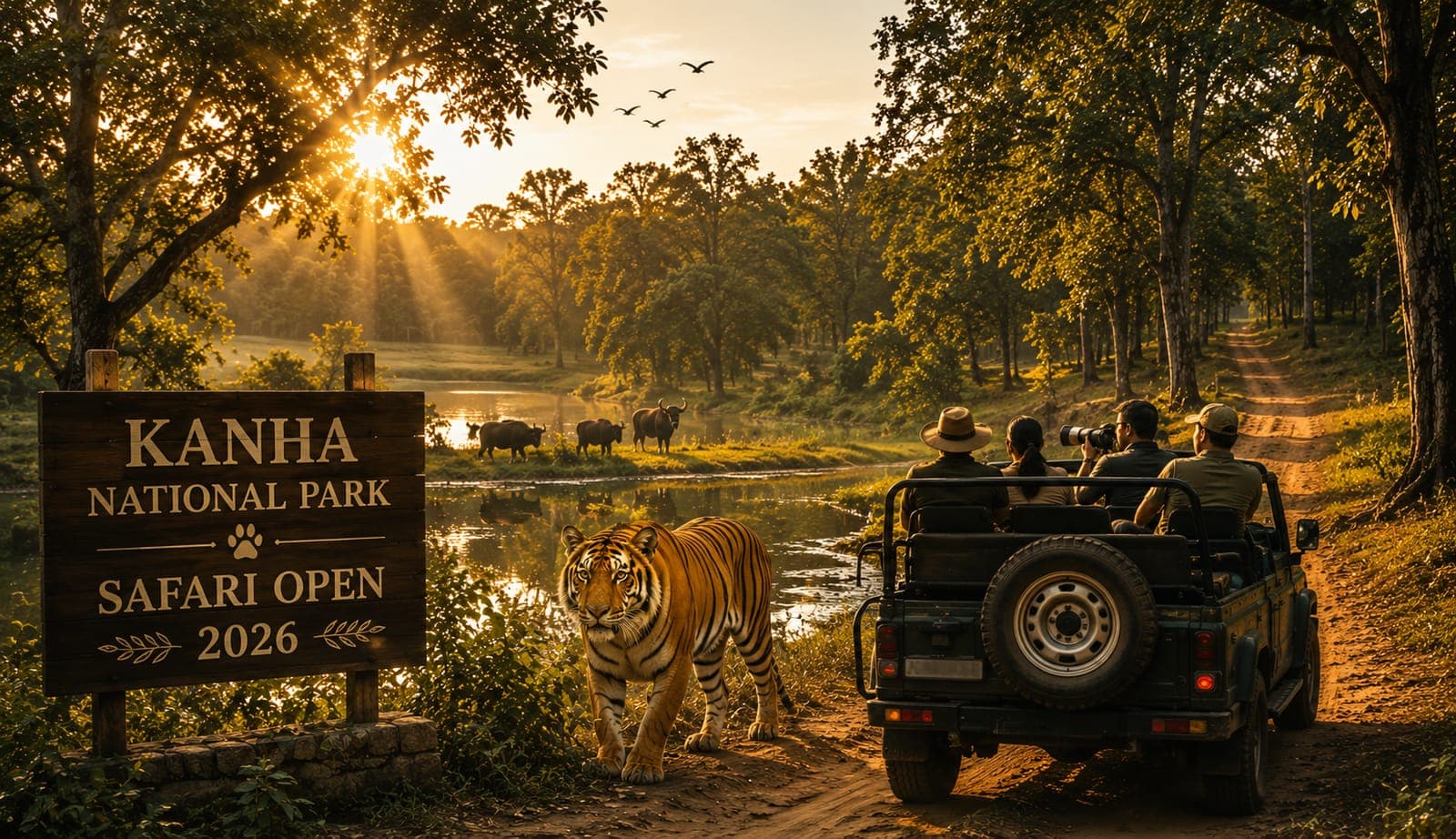
Picking the correct reserve is just as crucial as picking the optimum time to go on a tiger safari in India. India has a number of famous parks, each with its own landscape and group of tigers. Ranthambore National Park in Rajasthan is famous for its ancient ruins and the fact that you can see animals there often. Madhya Pradesh’s Bandhavgarh National Park features one of the largest numbers of tigers in the country. Kanha National Park has a lovely blend of meadows and forests, while Jim Corbett National Park is great for people who want different types of land and river views.
During the tiger safari season in India, each of these reserves does things differently. For instance, Bandhavgarh and Kanha parks in central India are exceptionally beautiful in the summer, making them a great choice for people who want to go on a tiger safari in India.
Tips to Increase Your Chances of Tiger Sightings
Even if you go on a tiger safari in India during the ideal time of year, you can’t be sure you’ll see any. But a few useful strategies can make a big difference in your prospects.
First, don’t simply plan one safari; plan several. Seeing wildlife generally takes time and a lot of tries.
Second, pick safaris that start early in the morning or late in the afternoon. These are the moments when tigers are most busy.
You should also pay attention to your guide and tracker. Their experience is a big part of how they find animals. Being calm and paying attention on the safari also helps you see small movements in the forest.
Booking with experienced operators is important because it helps with planning and getting to the best areas. This can make a big difference, especially during India’s peak tiger safari season.
Finally, be realistic about what you can expect. Even during the tiger safari, which is the ideal time to visit India, nature does what it wants.
Final Thoughts
When planning a tiger safari in India, it’s not just about picking a date; it’s also about knowing how nature operates. Every season has its own special things to offer, but summer is by far the best time to see tigers.
Winter is cosy and beautiful, while the monsoon shows off the forest in its most colourful form. So, the best time for you depends on what kind of experience you want.
If you want to see the majestic tiger in its native habitat, you need to plan your vacation around the correct tiger safari season in India. And with good planning, you can make your trip a genuinely remarkable wildlife encounter.
Frequently asked questions
Which season is best for seeing tigers in India?
Summer (March to June). As water dries up, tigers and other animals gather around the last water sources, and thinner vegetation makes them easier to see. April and May are the best months.
Is winter a good time for a tiger safari?
Winter (October to February) is cool and comfortable, with birds at their best, so it suits first-time visitors who want to see a range of wildlife. Tiger sightings can be less common, as plentiful water lets tigers roam freely.
Can I go on a tiger safari during the monsoon?
Most tiger reserves close from July to September because of safety concerns and poor road conditions. Where parks are partly open, dense vegetation makes animals hard to see, so the monsoon suits nature lovers more than tiger seekers.
What if I want a balance of comfort and sightings?
February and early March are a good middle ground: still part of the tiger safari season, but before the worst of the heat.