Tadoba Andhari Tiger Reserve spreads over 1700 sq km and has three main core zones – Moharli, Kolsa and Kolara. It carries the weight of age. This is an old forest, one that feels settled into its land in eastern Maharashtra. The air is dry, the light is sharp, and the forest floor lies bare for much of the year, revealing tracks, movement, and signs that are often hidden elsewhere.
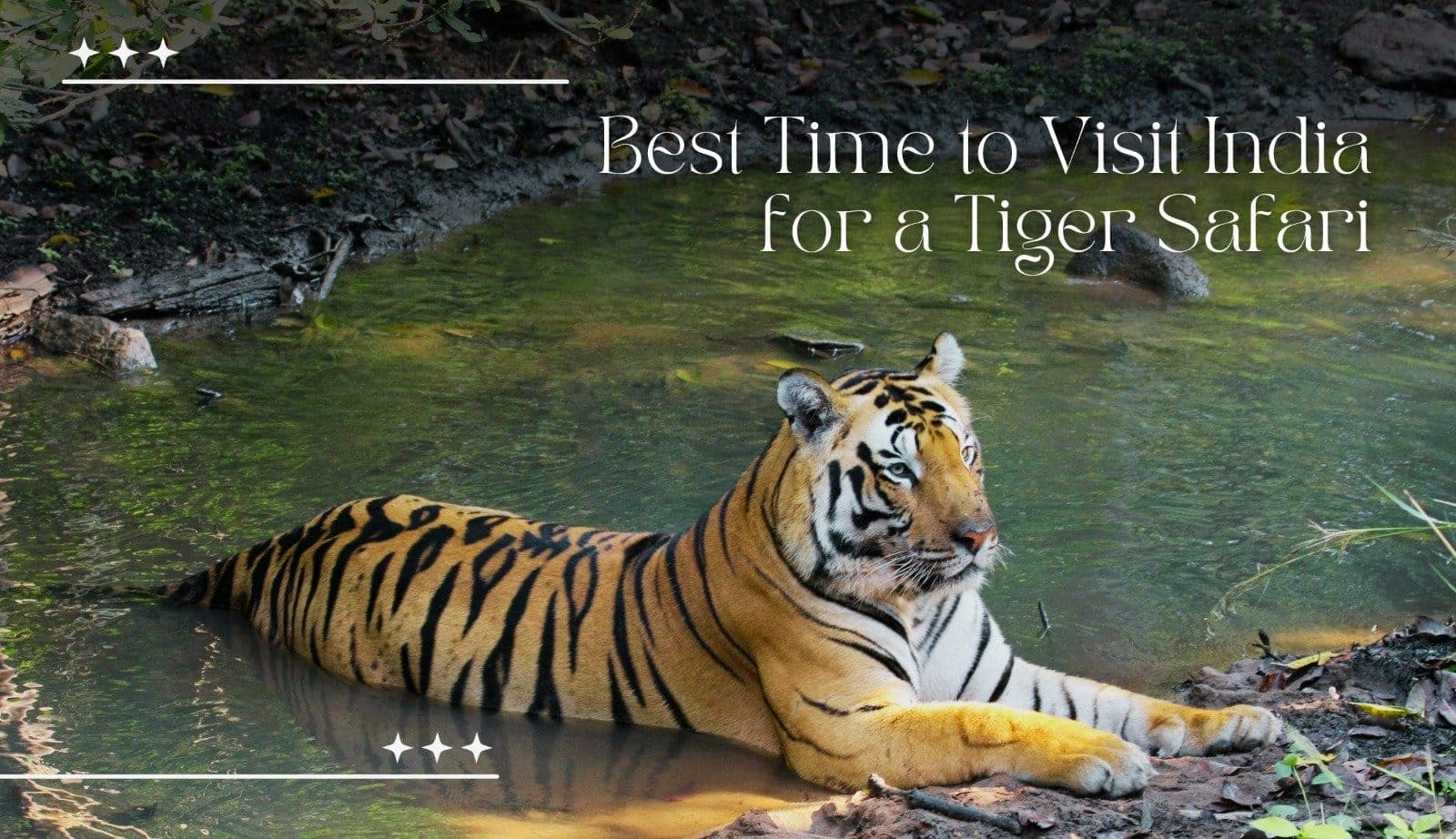
The landscape is straightforward—teak trees spaced wide apart, bamboo thickets, rocky patches, and open ground that holds heat through the day. Water is scarce outside the monsoon, and the lakes and reservoirs become quiet centres around which the forest gathers. There is little softness here; Tadoba does not conceal itself.
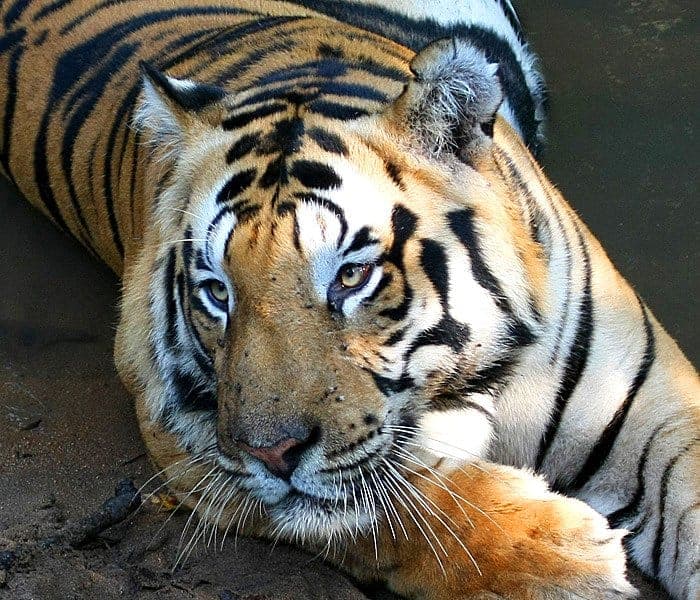
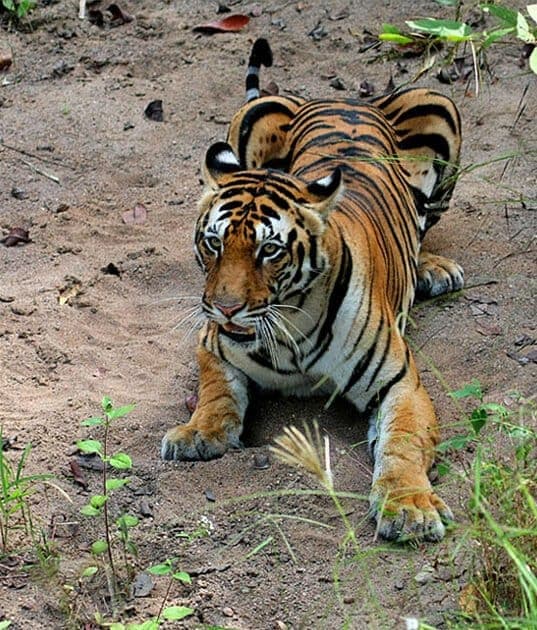
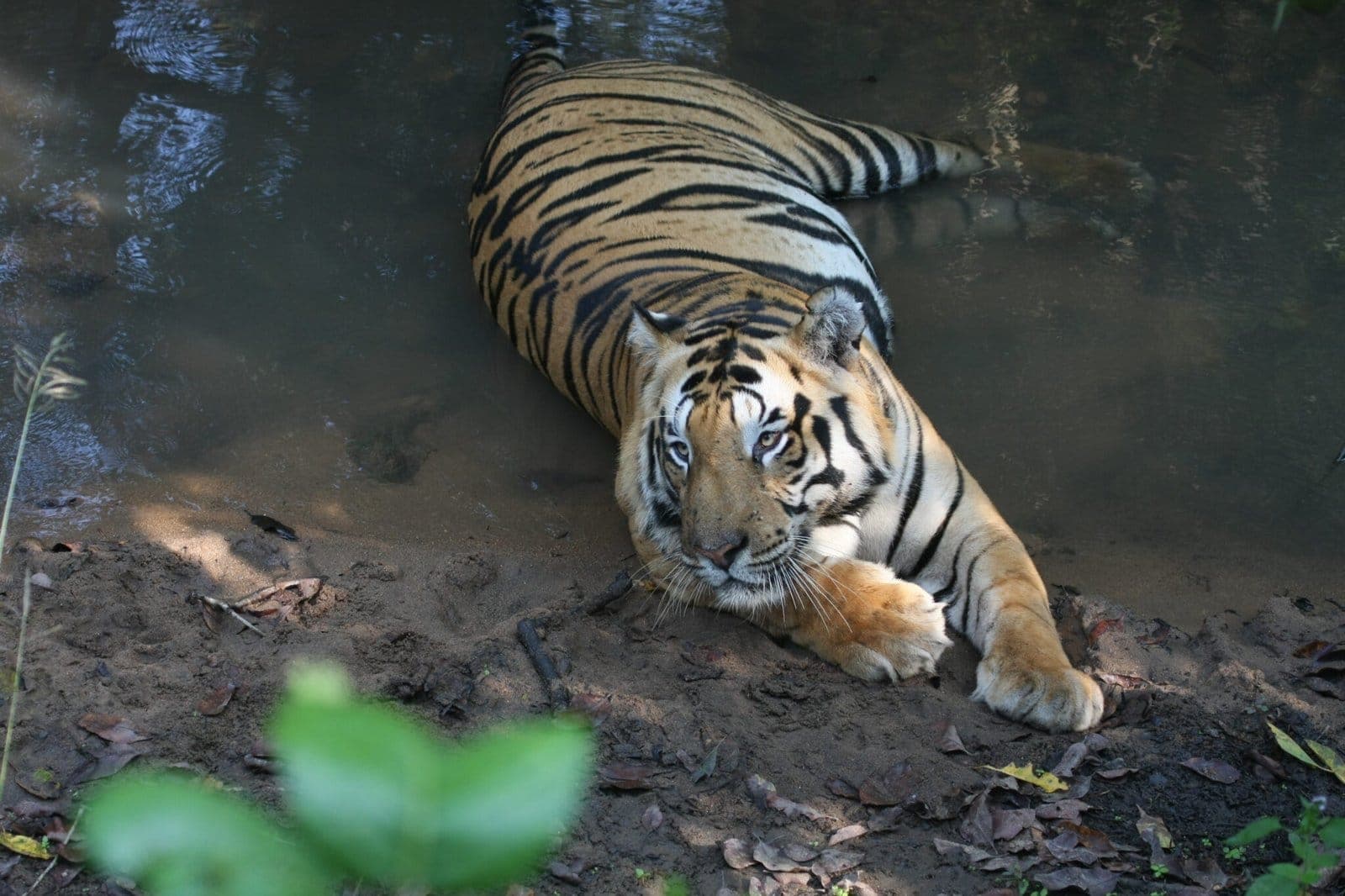
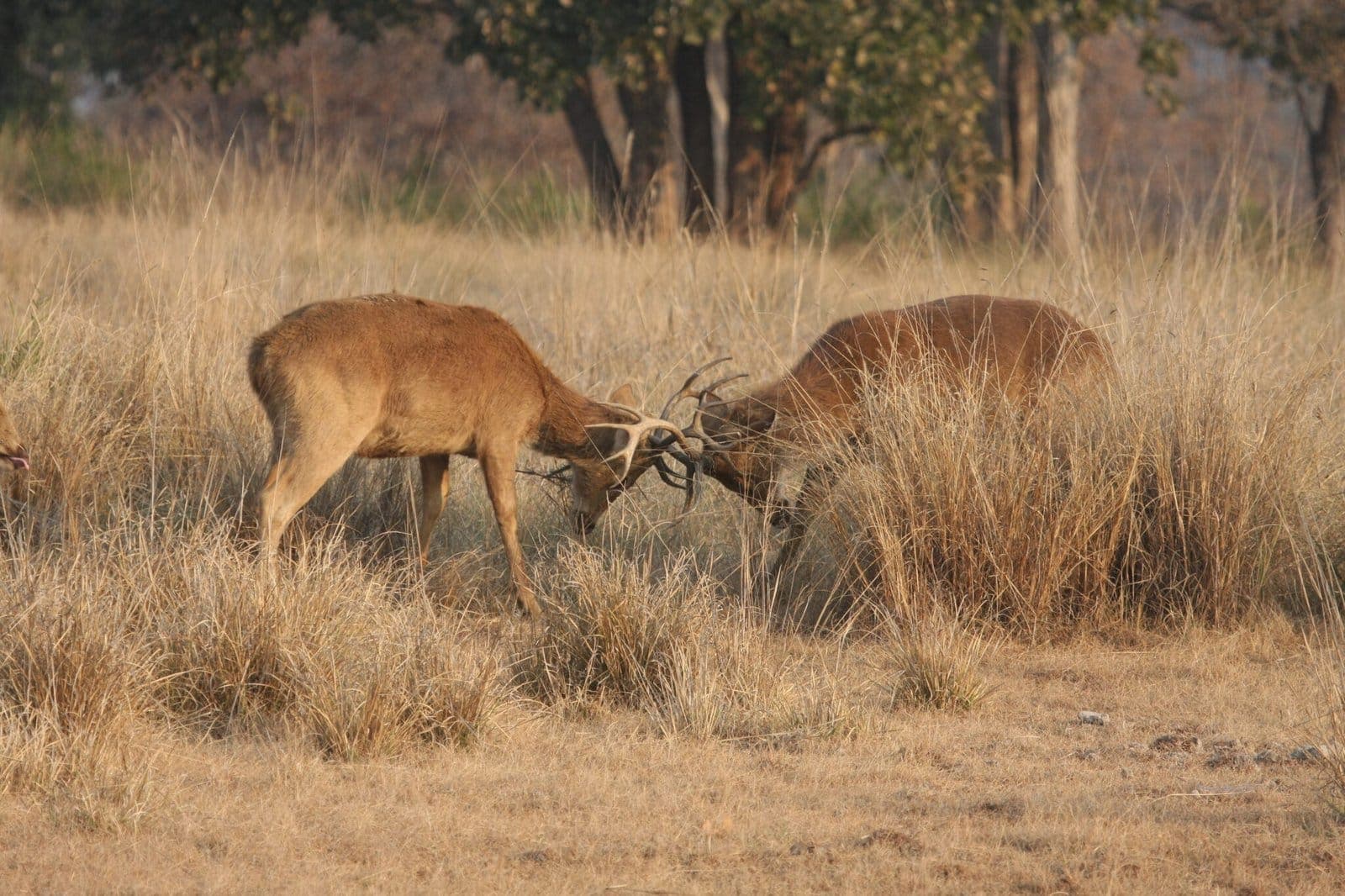
Wildlife exists close to the surface. Tigers, leopards, sloth bears, gaur, and deer share a forest where visibility comes naturally, not by chance. Encounters feel direct, shaped by the openness of the land rather than dramatic terrain or dense cover.
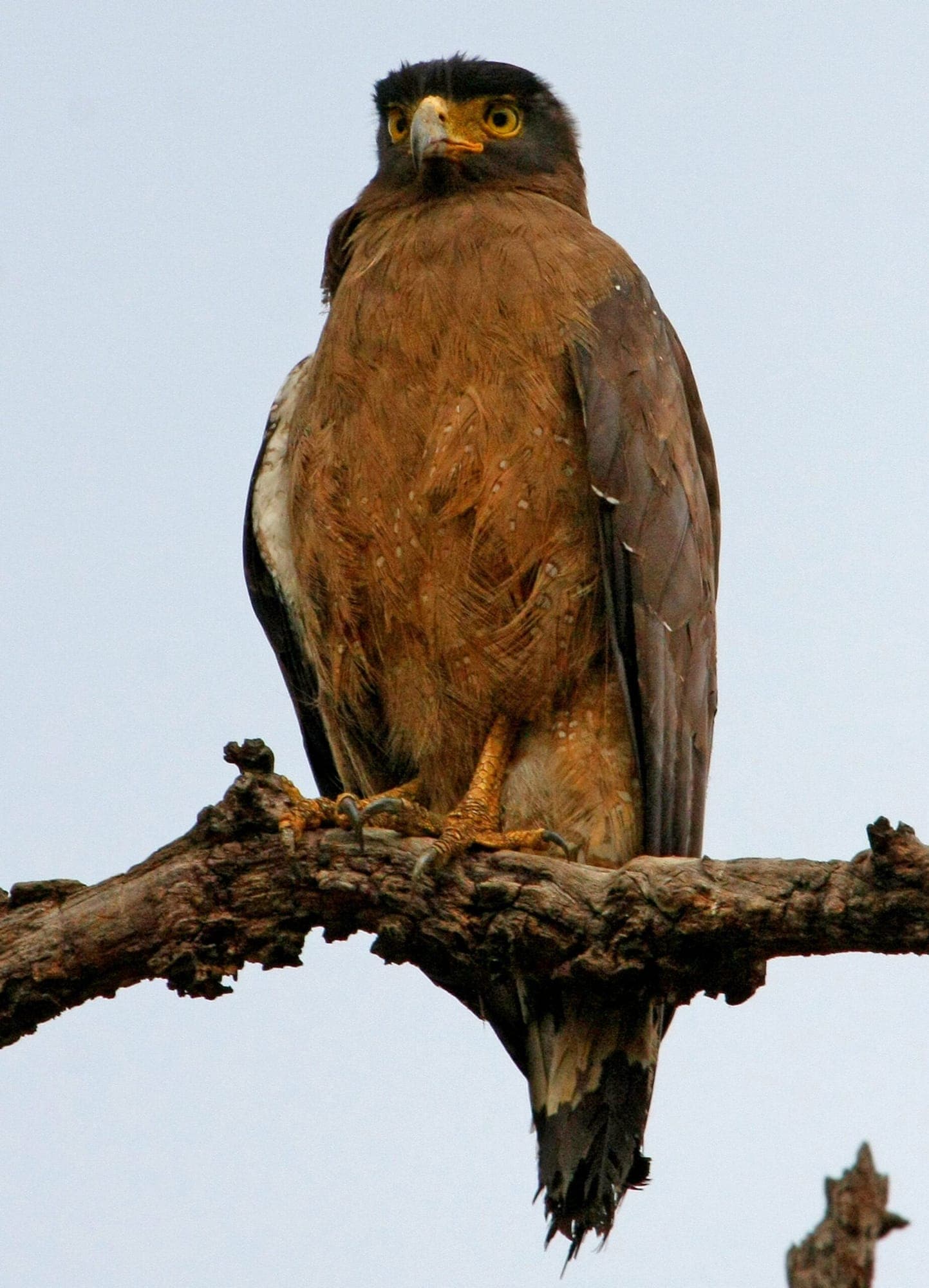
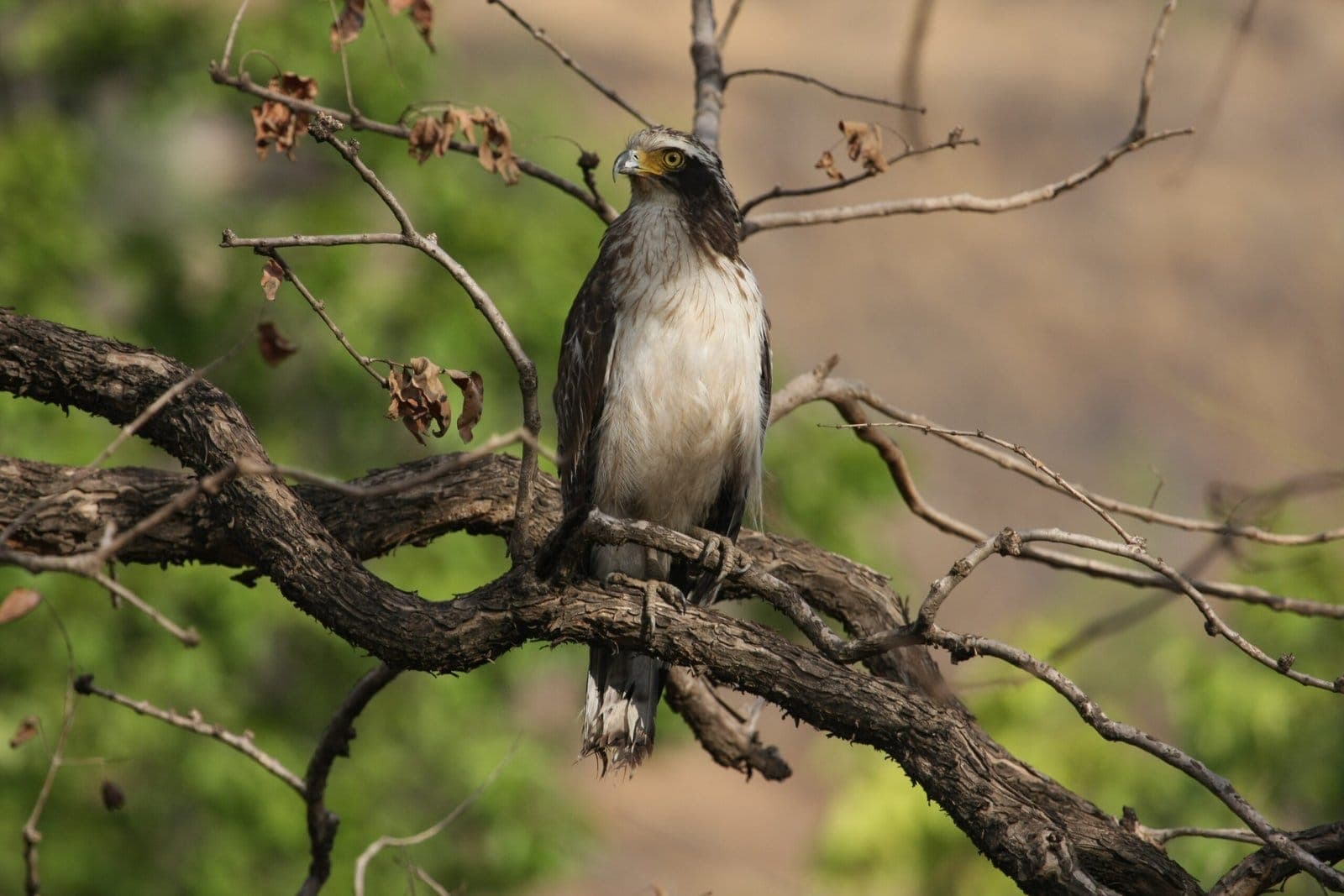
Birds remain part of the everyday fabric, more than 200 species are seen—present around water, along forest roads, and in the canopy—but never overwhelming the mood. Their calls carry clearly in the stillness, especially in the early hours.
Tadoba’s essence lies in its honesty. It is a forest without ornament—sunlit, exposed, and deliberate—where the wild feels immediate and unfiltered, shaped more by climate and ground than by grandeur.
About the Reserve
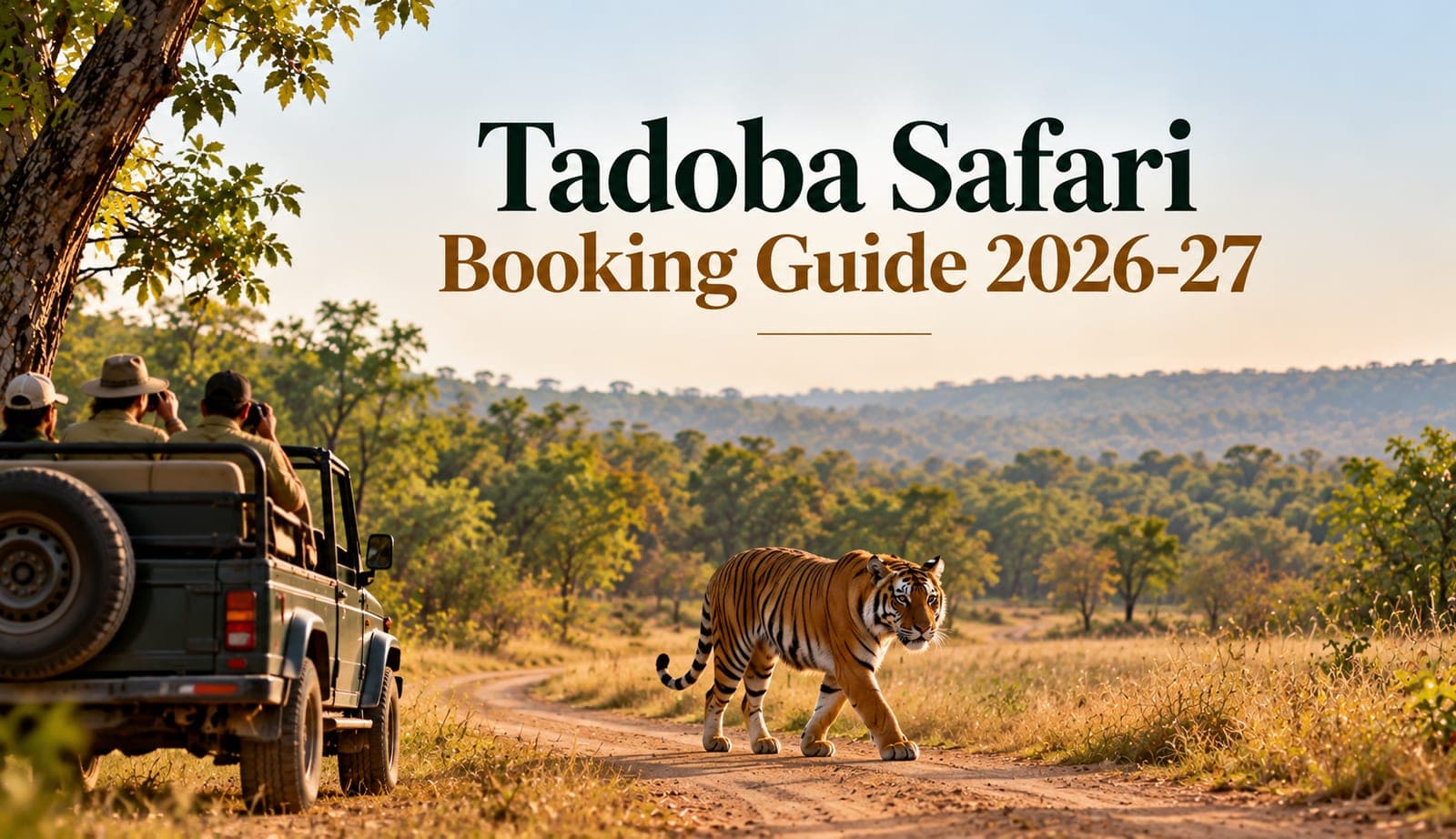
Tadoba Andhari Tiger Reserve, located in eastern Maharashtra, spans around 1700 square kilometres and is one of India’s oldest and most well-known forests. The core zones include Moharli, Kolara, and Navegaon. A safari in Tadoba lets you experience wildlife up close in an open, dry forest.
The terrain here is mostly flat and open, with teak trees spaced out, patches of bamboo, and rocky ground that stays warm through the day. Water sources become important, especially outside the monsoon season, as they attract animals. This openness makes it easier to track wildlife movement and improves your chances of sightings.