Curated Canopy Safaris
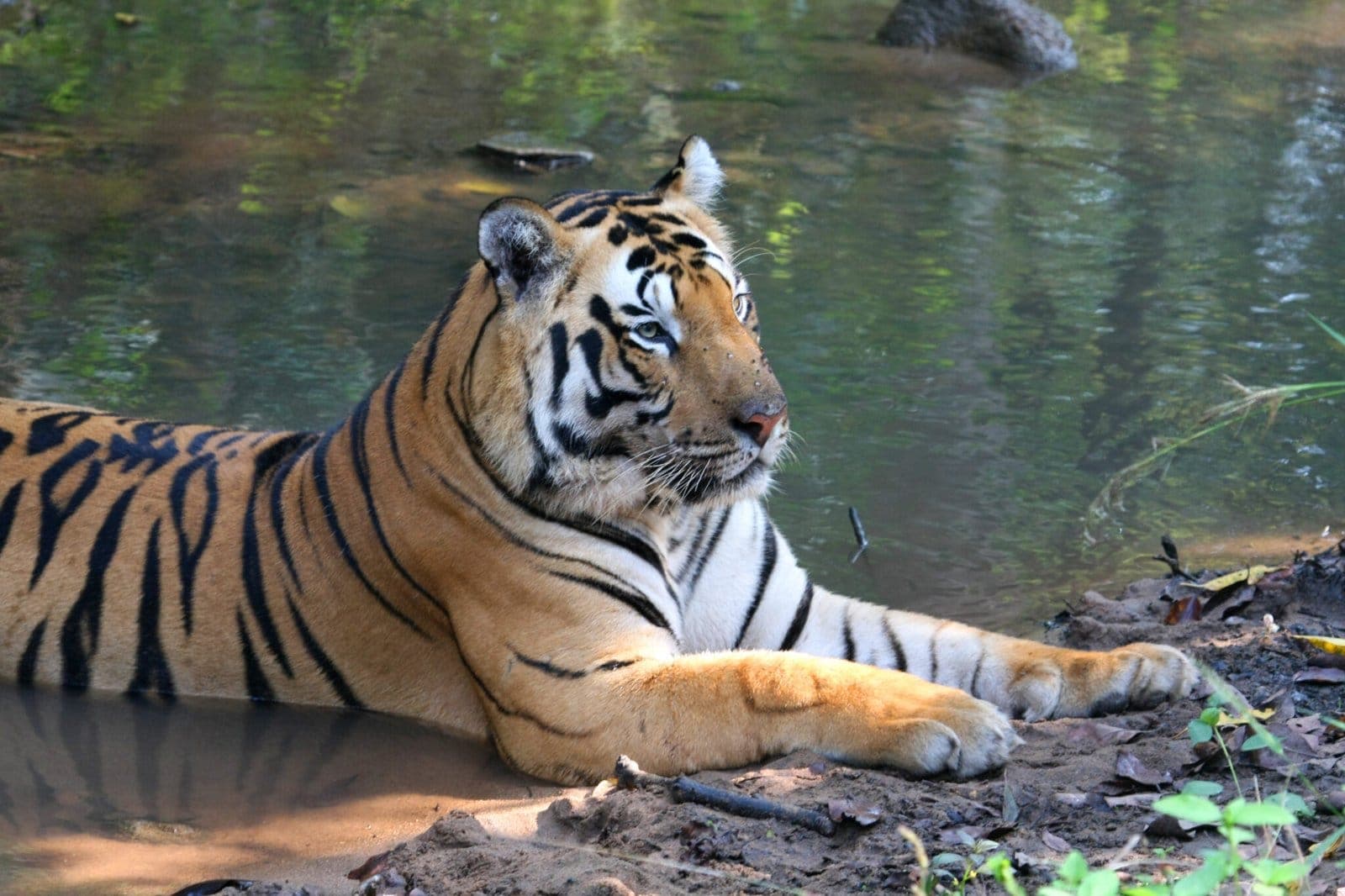
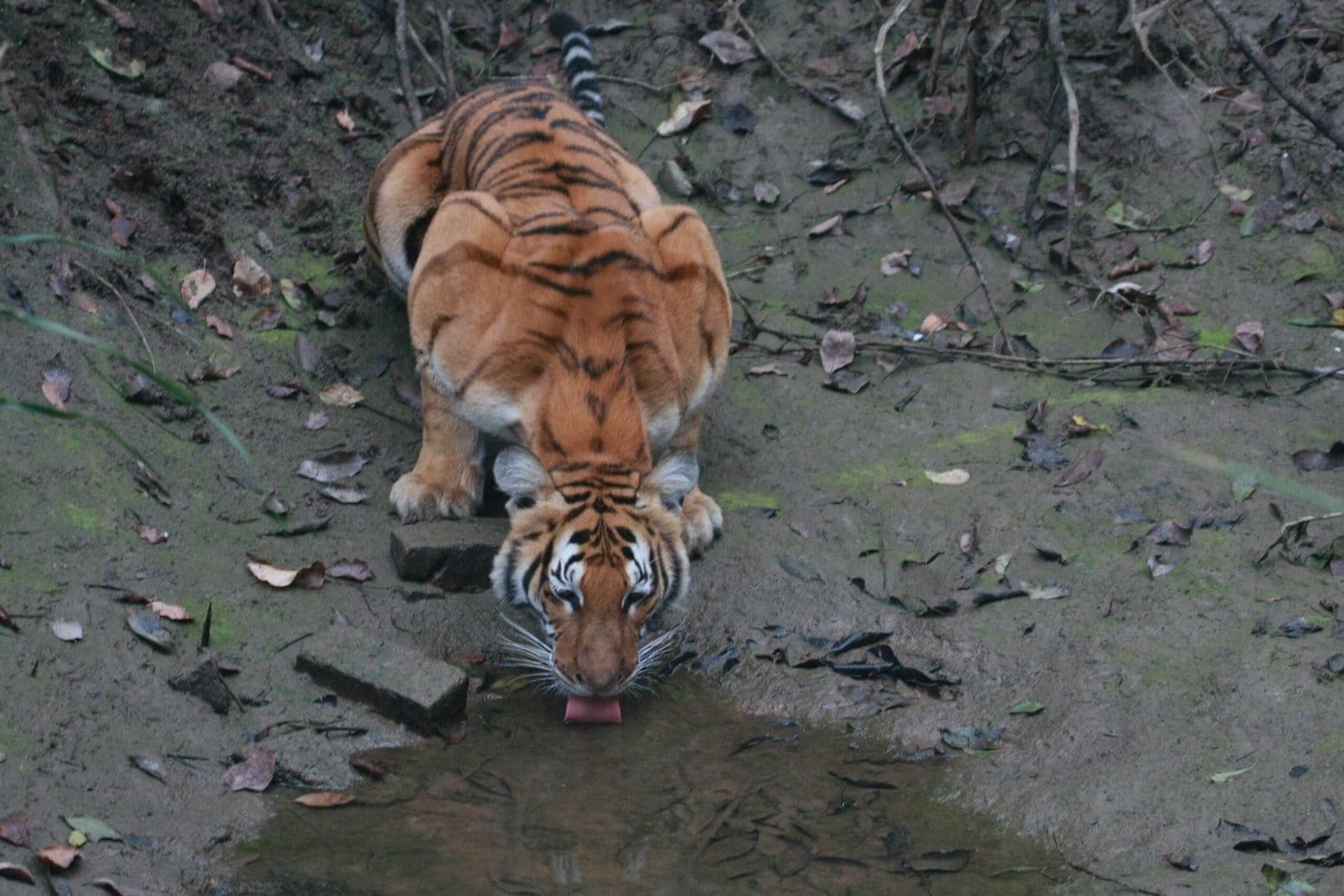
Tiger drinking from a pool, Dudhwa National Park

The Terai Haven

Dudhwa National Park Safari Booking

Dudhwa is located in Lakhimpur Kheri district of Uttar Pradesh, spread over 490 sq km.

State
Uttar Pradesh
Duration
3N/4D
2026 season fare
2026 fare: INR 30,000 + 5% GST

Overview

Dudhwa National Park & Kishanpur Wildlife Sanctuary – The Terai Haven

Dudhwa is located in Lakhimpur Kheri district of Uttar Pradesh, spread over 490 sq km.

The park supports a diverse assemblage of wildlife. Its grasslands and forest edges are home to chital, sambar, hog deer, wild boar, and the iconic swamp deer (barasingha). Dudhwa is also one of the few places in India where the one-horned rhinoceros has been successfully reintroduced. Now fifty-one one-horned rhinoceros inhabit Dudhwa.

Tigers and leopards inhabit the dense cover, using the tall grass and riverine belts to remain largely unseen.

Tiger sightings have improved significantly of late.

Dudhwa has rich birdlife, with over 400 recorded species, making it one of the finest bird habitats in northern India. Wetlands attract large numbers of waterbirds, while forest tracts echo with calls throughout the day and night.

The dense sal forests, sweeping grasslands, and water-filled lowlands together give Dudhwa its distinct identity—a Terai eden where life thrives quietly, shaped by water, patience, and deep ecological balance.

Dudhwa National Park

Dudhwa National Park, located in the Lakhimpur Kheri district of Uttar Pradesh, spans around 490 square kilometres. A Terai haven, Dudhwa offers a very different experience from the forests of central India, with its marshes, meadows, and thick sal forests.

The park is home to a wide variety of wildlife. You can see chital, sambar, hog deer, wild boar, and the famous swamp deer (barasingha), which are often found in grasslands and along forest edges. Dudhwa is also one of the few places in India where the one-horned rhinoceros has been successfully reintroduced, with a small but steadily growing population.

Tigers and leopards live in the thicker parts of the forest, often moving through tall grass and riverine belts. Sightings have improved in recent years, adding to the overall safari experience.

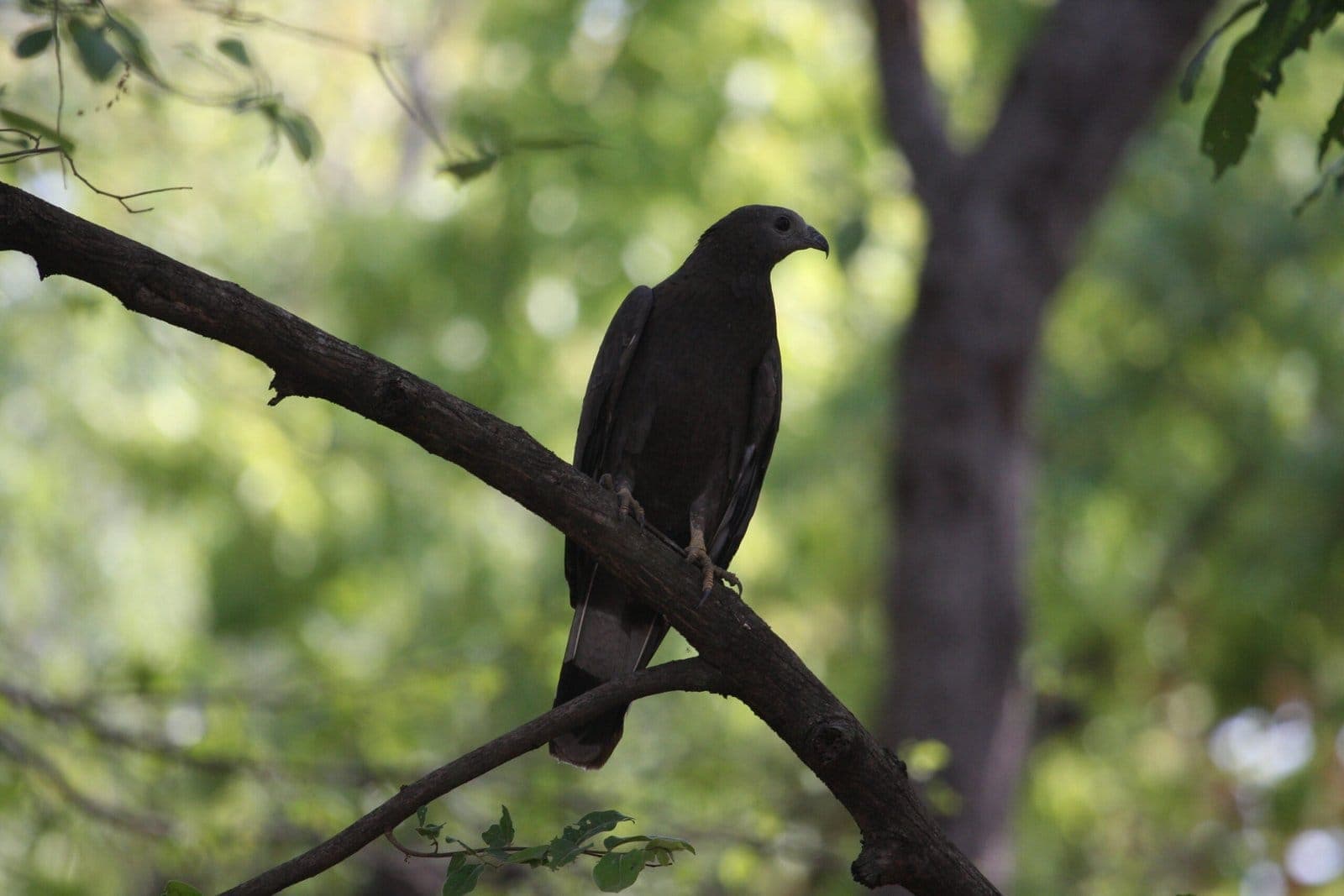
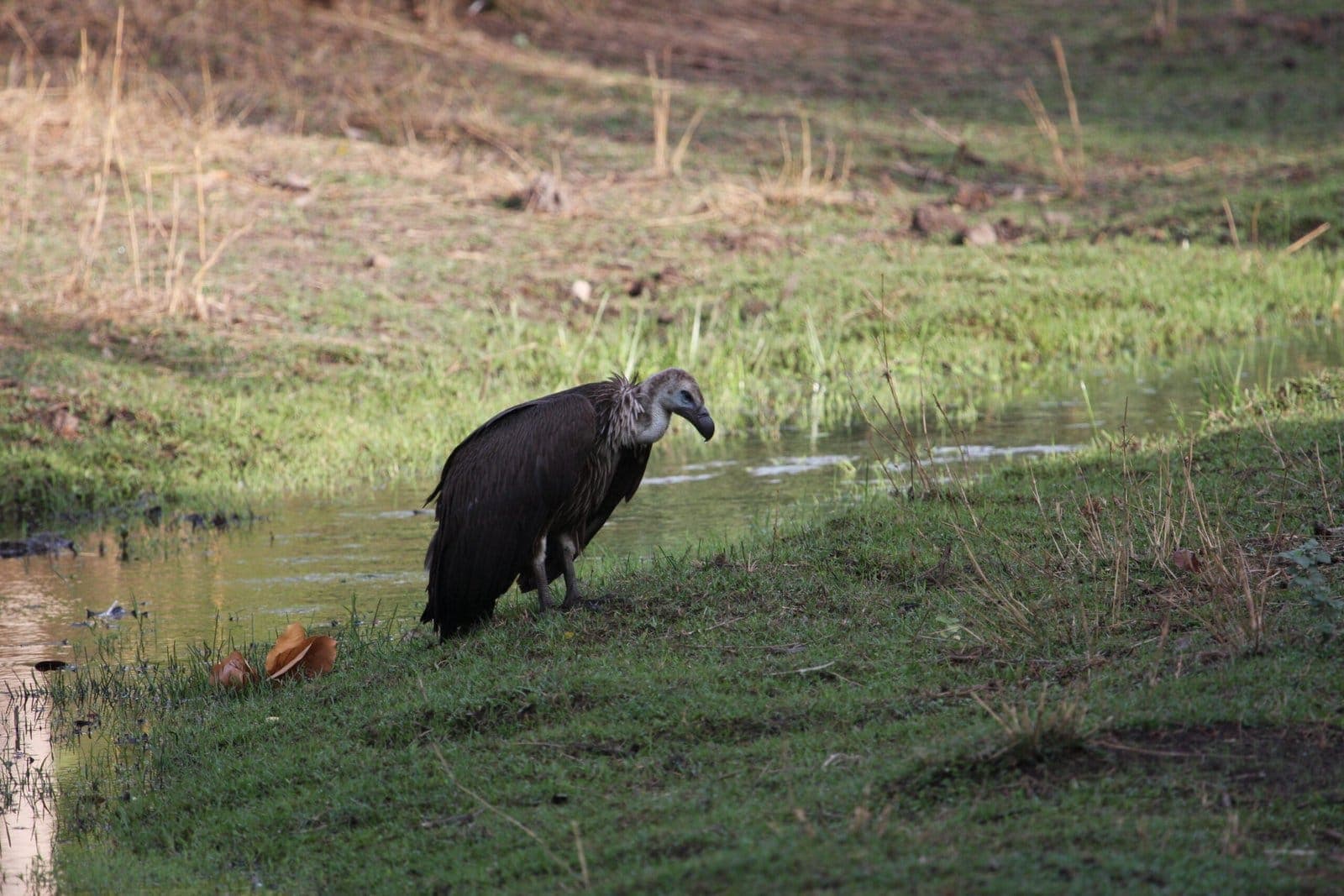
Vulture on a grassy wetland bank, Dudhwa National Park
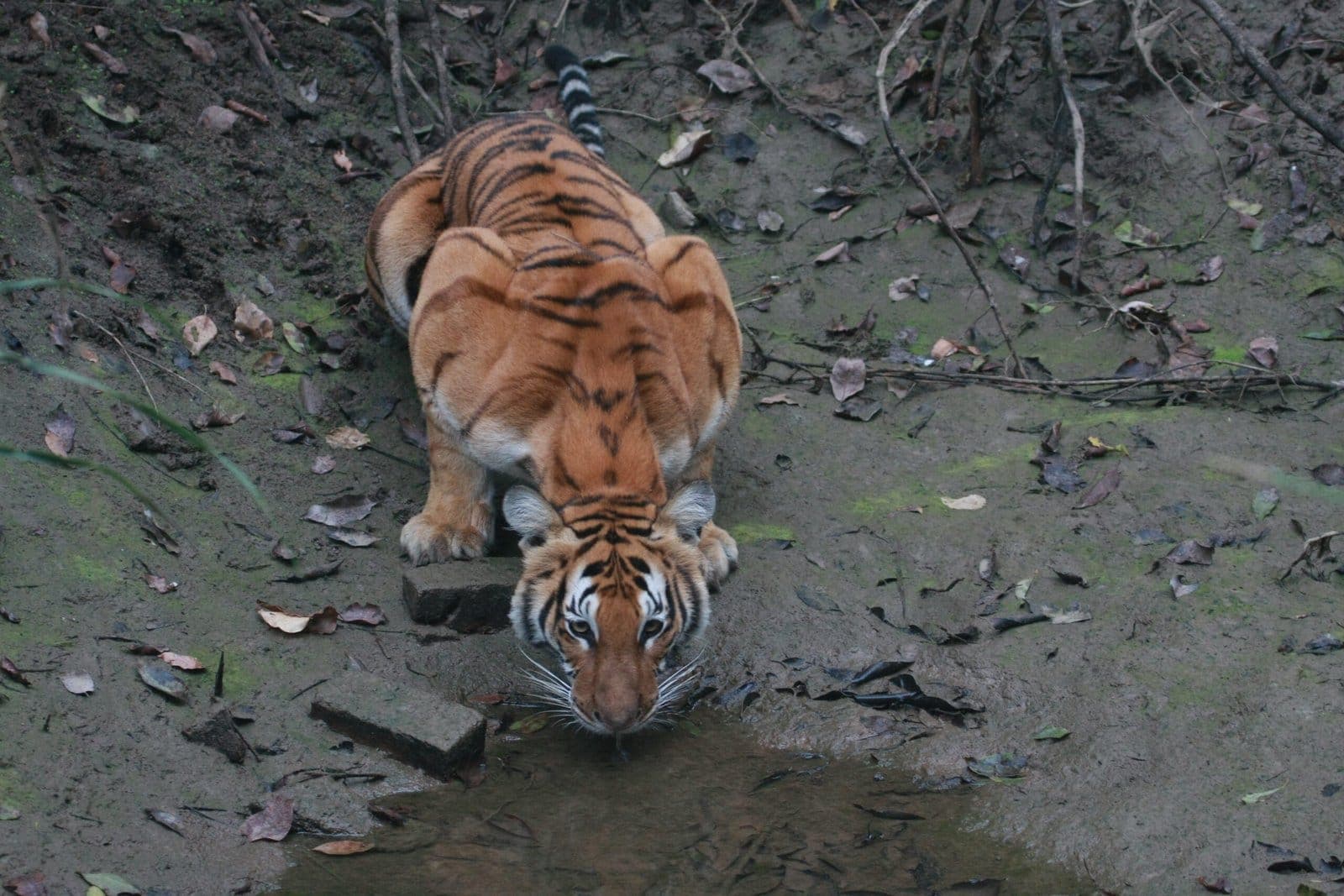
Tiger at a waterhole, Dudhwa National Park

Kishanpur Wildlife Sanctuary

Kishanpur Wildlife Sanctuary sits quietly within the Terai plains of Uttar Pradesh, close to the Nepal border. Modest in scale yet ecologically significant, the sanctuary functions as a vital piece of the larger Dudhwa landscape, offering continuity of habitat rather than spectacle.

The terrain here is gentle and open. Sal trees dominate the higher ground, giving way to wide grasslands, marshy depressions, and shallow watercourses that hold moisture long after the rains have passed. This constant presence of water lends Kishanpur a soft, settled character, where change arrives gradually with the seasons.

Grazing animals such as chital, sambar, hog deer, and nilgai are well distributed across the sanctuary, with wild boar frequently turning up the soil along forest edges.

One can see large herds of swamp deer in the Jhadi Tal, and if lucky, tigers on the jungle tracks.

Birdlife, however, is where the sanctuary truly asserts itself. Wet grasslands and wetlands support a varied mix of resident and winter visitors, while woodland species remain active throughout the day, making Kishanpur especially alive in sound and movement.

Kishanpur does not overwhelm. Its value lies in balance—in quiet grass, shallow water, and continuity of life—offering a Terai landscape that feels unhurried, functional, and deeply rooted.
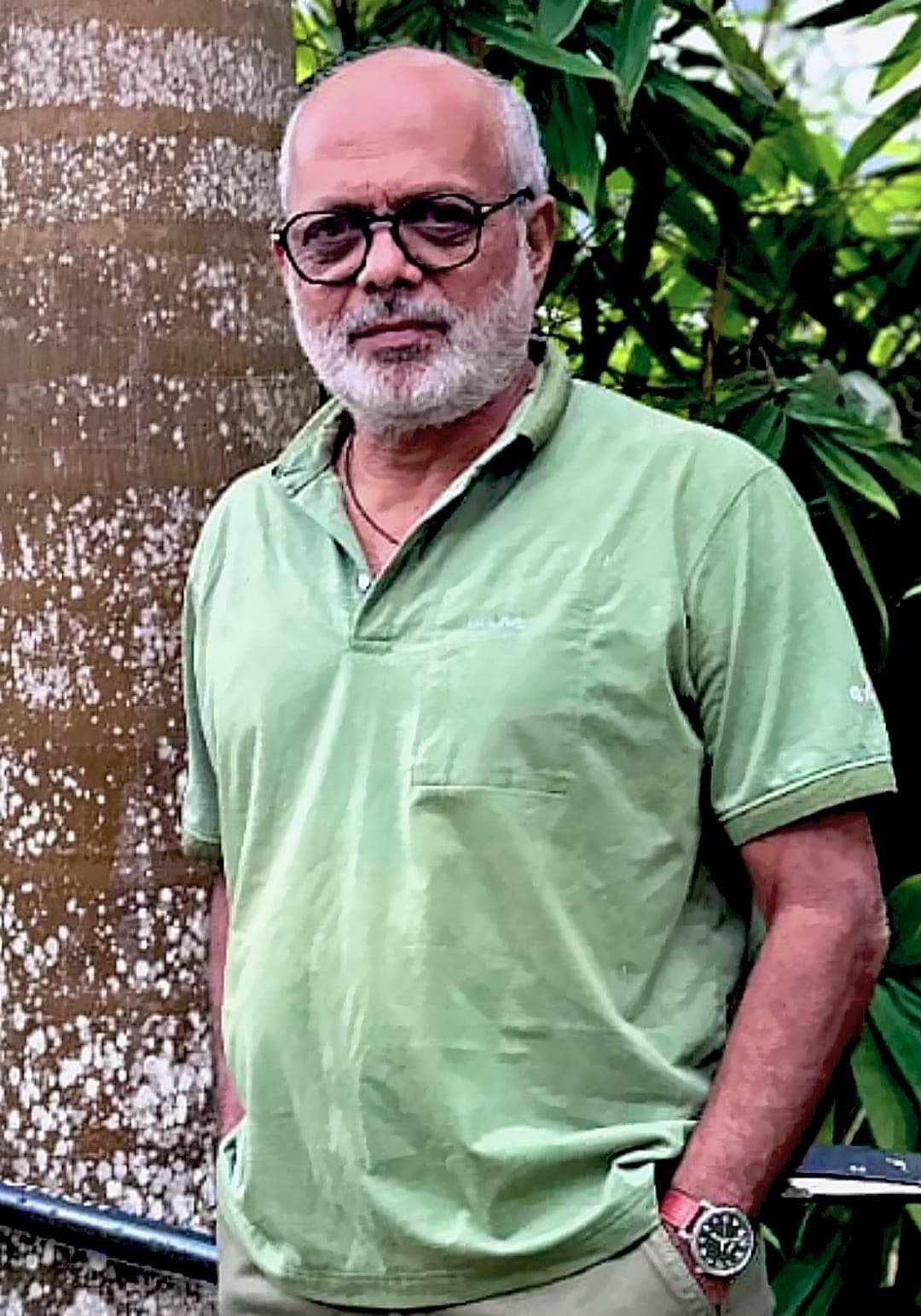
Booking with us

Why Dudhwa Safari Booking Can Be Complicated for International Travellers

Planning a Dudhwa safari from overseas can involve several details that are easy to overlook, particularly permit requirements, safari timings, departure points and zone selection.

  • Permit and documentation requirements: International travellers need to provide the required visitor and identification details during the booking process. Getting these details right in advance can help avoid booking complications.

  • Safari timing and availability: Dudhwa offers separate morning and evening safari shifts, with timings varying by season. Safari availability is subject to the official booking system and current operating schedules.

  • Choosing the right safari option: Dudhwa, Kishanpur and other areas within the wider Dudhwa landscape offer different wildlife experiences. Selecting the appropriate safari option requires consideration of the traveller's interests, itinerary and available dates.

  • Coordinating the complete trip: Safari bookings are only one part of the journey. Accommodation, transportation, departure point logistics and timing all need to work together for a smooth wildlife trip.

For international families, couples, photographers and wildlife enthusiasts travelling from the United States, UK, Australia, Germany, France and other markets, having these details planned in advance can make the experience considerably simpler.

How Curated Canopy Delivers Confirmed Dudhwa Safari Experiences

Wildlife-First Safari Zone Selection & Ecosystem Expertise

We assess your target species list, travel dates, since winter versus summer shifts affect animal activity, and group size, then recommend the zone and shift combination that maximises sighting probability.

Why International Wildlife Travellers Trust Curated Canopy Safaris

Our Experience & Approach

  • Wildlife-focused expertise: We curate safari experiences across India's tiger reserves and national parks.

  • End-to-end safari planning: We coordinate accommodation, safari permits, guides, meals and local logistics as part of the overall itinerary.

  • Experienced safari teams: Our safaris work with experienced drivers and naturalist guides familiar with the parks and their wildlife.

  • Tailor-made itineraries: We design private and customised wildlife journeys around guests' preferred parks, dates and interests.

Where you’ll explore

Safari Zones in Dudhwa National Park

Dudhwa National Park offers multiple entry points, each providing a unique gateway into its rich biodiversity and wilderness.
  1. Gate No. 1 Sonaripur

    Sonaripur Gate is known for its open grasslands and wetlands, offering excellent sightings of tigers, swamp deer (barasingha), rhinos, and a variety of birds. It is ideal for a scenic and relaxed safari experience.

  2. Gate No. 2 Sathiyana

    Sathiyana Gate leads into dense sal forests, making it perfect for a more adventurous safari. This zone is known for sightings of tigers, elephants, and other forest wildlife.

Plan your visit

Best time to visit Dudhwa National Park & Kishanpur Wildlife Sanctuary

  • Winter

    October – February

    • Pleasant weather, ideal for birdwatching. Tiger sightings are also good.
  • Summer

    March – June

    • Better chances of tiger sightings near the water sources.
  • Monsoon

    July – September

    • Park remains closed.

For a month-by-month view across India’s parks, read our guide to the best time for a tiger safari in India.

Getting there

How to reach Dudhwa National Park & Kishanpur Wildlife Sanctuary

There are many ways to get to Dudhwa by air, rail, and road.

  • By air

    The nearest airport is Lucknow, well connected to major cities.

  • By train

    The closest railway stations are Dudhwa and Lakhimpur Kheri, with better connectivity via Lucknow.

  • By road

    Dudhwa is well connected by road to Lucknow and nearby towns. The drive from Lucknow takes about 5–6 hours.

Plan your safari

Booking made simple

Why choose Curated Canopy Safaris

  • All-Inclusive Packages Stay, all meals, forest permits, gypsy safaris, and trained guides are included for a seamless experience.

  • Experienced Local Guides Knowledgeable guides who understand the jungle, read alarm calls, and track wildlife effectively.

  • Comfortable Safari Lodges Carefully selected stays that offer both comfort and proximity to the park.

  • Thoughtfully Planned Expeditions Every detail is considered to ensure a smooth, comfortable, and rewarding safari.

  • Fair Pricing Well-curated experiences offered at reasonable and transparent costs.

How to book your Dudhwa safari

  1. 1

    You can book your complete package through Curated Canopy Safaris.

  2. 2

    You will need to provide a valid ID (Aadhaar card / PAN card / Driving Licence; passport for foreign nationals) for permit booking.

  3. 3

    Safaris are limited and should be booked in advance.

Tips for safarists

  • Book in Advance Safari permits are limited and sell out quickly, so plan ahead.

  • Wear Neutral Colours Earth tones help you blend into the surroundings and avoid disturbing wildlife.

  • Carry Essentials Mobile phones may be restricted in some parks, so bring a camera and binoculars.

  • Follow Park Guidelines Always follow the rules and instructions provided by forest authorities and guides.

FAQs

Frequently asked questions

When should I book my Dudhwa safari permit if I'm travelling from the UK, Australia, Germany, France, or the United States?

Safari permits open 90 days before your travel date on the UP Eco-Tourism Development Board portal, upecotourism.in. For international travellers targeting high demand zones like Dudhwa and Kishanpur during peak tiger season, November to March, booking on the first day of the 90 day window is essential. We recommend contacting us at least 120 days before your planned travel date so we can prepare your passport documentation, verify formatting for the portal, and submit your permit application immediately when booking opens. Day visit permits and night stay permits have separate allocation quotas; we coordinate both based on your itinerary. Last minute availability exists for buffer zones like Salukapur during off peak months, July to September, but core zones sell out quickly.

Which Dudhwa safari zone is best for Royal Bengal Tiger and barasingha sightings?

Dudhwa zone, the core area, offers the highest probability for Royal Bengal Tiger sightings and barasingha herds, especially during morning safaris when swamp deer graze in Terai-Duar grasslands. This zone also includes Indian one horned rhinoceros reintroduction sites, making it the most species diverse choice, though permits sell out earliest. Kishanpur zone provides excellent tiger tracking in dense sal forest and offers elephant safari access, morning shift only, which allows closer approach to wildlife in specific forest blocks. For photographers seeking solitude and barasingha close ups without jeep crowds, Sonaripur zone delivers comparable sightings with lower visitor density. We assess your travel dates, target species priority, and tolerance for crowds, then recommend the zone combination that maximises your wildlife experience. Many serious wildlife travellers book multi day itineraries covering Dudhwa, Kishanpur, and Sonaripur across consecutive safaris.

Do I need a day-visit permit or night-stay permit, and what is the difference?

A day visit permit grants access to one jeep safari shift, morning or afternoon/evening, in your selected zone, but you must arrange accommodation outside the park in nearby towns like Dudhwa Nagar or Palia Kalan. A night stay permit includes safari access plus accommodation inside forest rest houses or eco-lodges within the reserve boundary, allowing you to experience dawn and dusk safaris without long transit times. Night stay permits are limited and book out faster than day visit permits. For international travellers on tight schedules flying into Delhi or Lucknow, we typically recommend night stay permits to minimise travel fatigue and maximise safari time. Both permit types require passport documentation for international guests, and elephant safari access, morning shift only in Kishanpur zone, requires a separate add on booking coordinated with your jeep permit.

Can I combine Dudhwa with other tiger reserves in a single trip, and is this worth the extra travel time?

Dudhwa pairs naturally with Pilibhit Tiger Reserve, located four hours northeast. Both reserves protect Terai-Duar savanna and grassland ecosystems with similar species, Royal Bengal Tiger, barasingha, Bengal florican, but Pilibhit offers quieter safari experiences and different forest composition. A bespoke Dudhwa plus Pilibhit package typically spans five to seven days, allowing two safaris per reserve with transit and rest days. This combination appeals to serious wildlife photographers, conservation travellers, and repeat safari goers who have already visited Corbett or Ranthambore and want deeper immersion in Terai ecology. We also design longer itineraries adding Katarniaghat Wildlife Sanctuary, riverine species such as gharial and Gangetic dolphin, or Corbett Tiger Reserve, six hours south. A multi reserve itinerary significantly increases tiger sighting attempts across varied terrain compared to a single location visit.

From the blog

Dudhwa planning guides

Testimonials

What our guests say

In the words of guests who have travelled with us.
  • Namaskar, I am Dr Suneet Raut. Myself and my wife, Dr Susheela visited Kanha National Park, last year, by April 2025. Our close friend, Dr Prakash Babu, called me whether we were interested in doing this safari trip. As we both are nature lovers, and having visited Tadoba and other sanctuaries, were delighted by this call. It was the last week of April. We flew from Mumbai to Jabalpur, then to Kanha sanctuary. I must say, the total experience of those 4 days was WONDERFUL.

    Read the full review

    The flights, transportation to and fro by road, the accommodation, food, overall comforts and personal attention and care of Curated Canopy Safaris was exceptional. One thing I would like to mention, that, Dr Prakash himself is a wildlife enthusiast, has a deep knowledge of birds and animals, has good knowledge of flora and fauna. His planning is meticulous and punctual. His venture Curated Canopy Safaris is a dependable service. We both look forward to joining his safaris in future also.

    Dr Suneet Raut

    Dr Suneet Raut

    Palghar · Visited Kanha National Park

  • We had gone with Dr. Prakash Babu for a tiger safari to Kanha National Park last year. We enjoyed the trip thoroughly. The trip was very meticulously arranged by Dr. Babu from Curated Canopy Safaris, taking into consideration all the minutest needs of every member. The stay was very comfortable. Tours well arranged and comfortable. We saw 4 tigers and it made us all very happy and fulfilled.

    Dr. Susheela Raut

    Dr. Susheela Raut

    Palghar · Visited Kanha National Park

  • Curated Canopy Safaris organised our trip to Kanha National Park in May ’25. The stay was in a serene hotel close to the park with amazing food and courteous staff. We did 1 night safari and 4 day safaris. We could see 4 tigers in 5 safaris. The tour guide and drivers were very alert and had a thorough know-how of the parks. Besides tigers we could spot many deer, wild boars, peacocks and bisons.

    Read the full review

    Overall we felt the time and money was well spent and are looking forward to similar experiences with Canopy Safaris 👍

    Dr. Geeta Raju

    Dr. Geeta Raju

    Visited Kanha National Park

Keep exploring

  • Tiger resting by the water, Pilibhit Tiger ReserveRaptor perched in the forest canopy, Pilibhit Tiger ReserveUttar Pradesh

    The emerging tiger reserve

    Pilibhit Tiger Reserve

    Declared a tiger reserve, in 2014, Pilibhit is a comparatively new tiger reserve. But tiger sightings are excellent. Pilibhit Tiger Reserve lies within the great Terai belt, a landscape born of rivers descending from the Himalaya.

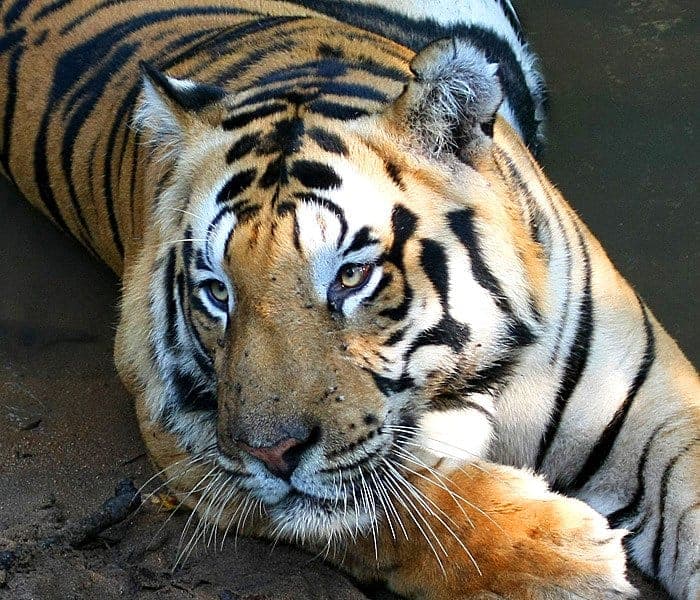
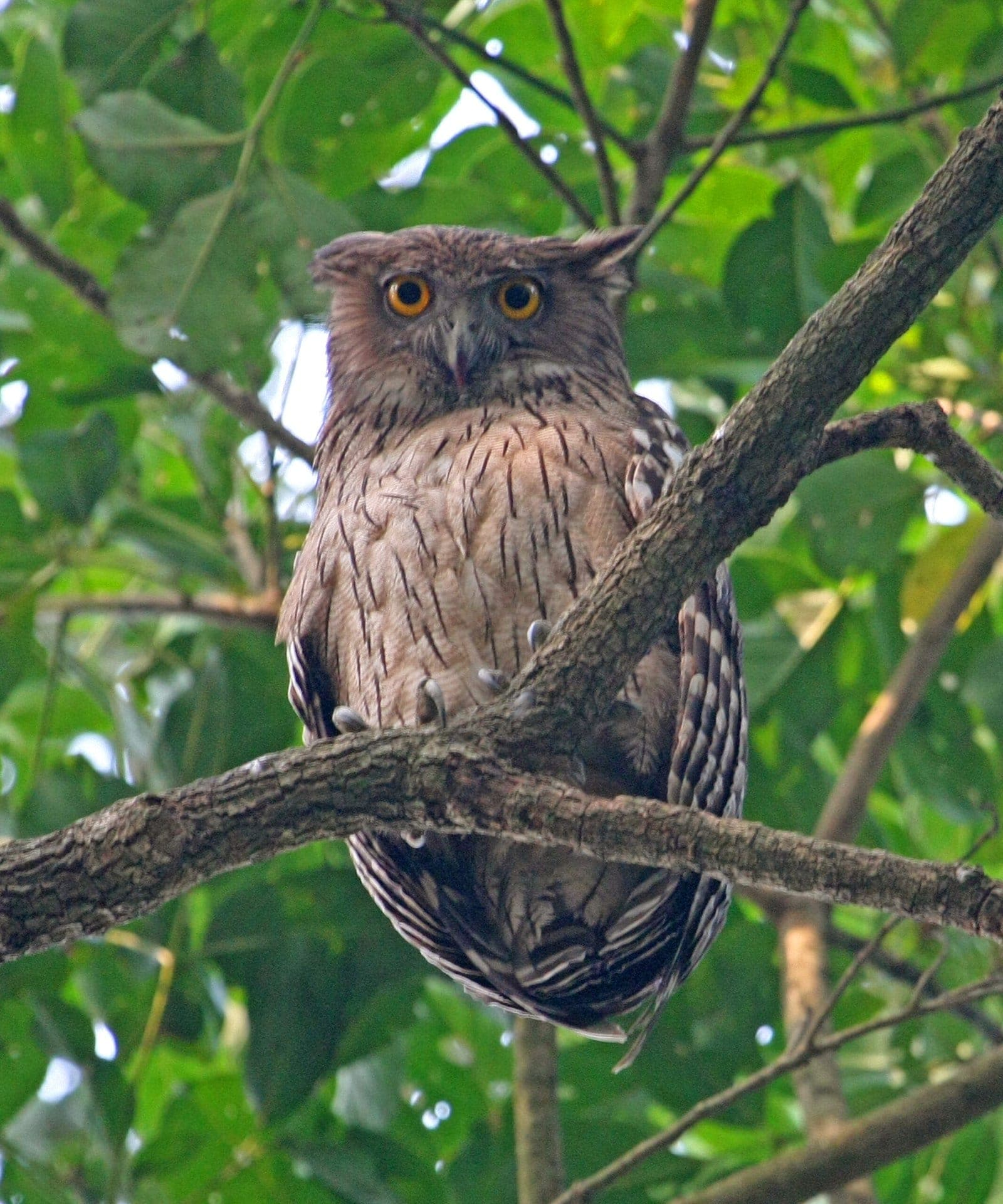
  • Close-up of a tiger, Jim Corbett National ParkOwl perched on a branch, Jim Corbett National ParkUttarakhand

    Carpet Sahib’s Jungle

    Jim Corbett National Park

    Set against the foothills of the Himalayas, Jim Corbett National Park is India’s oldest national park and a timeless wilderness where forests, rivers, and wildlife exist in powerful harmony. Located in Uttarakhand’s Nainital and Pauri Garhwal districts, the park spreads across more than 1,300 square kilometres, encompassing a rich mix of hills, riverine belts, grasslands, and dense sal forests.

Plan your safari

Plan your Dudhwa safari

Tell us your preferred dates and group size. Our team will get in touch with you very soon.

For international guests and luxury tours, mail us at enquiries@curatedcanopysafaris.com.

Our team will get in touch with you very soon.