
Best Time to Visit Dudhwa National Park & Season Guide
Most tourists believe winter is the best season for everything Dudhwa has to offer. It isn’t. What you desire from the park determines the ideal month for you.
Imagine getting down from a vehicle at dawn and entering the terai grasslands of Dudhwa, the wetland-rich landscape at the base of the Himalayas. It’s a beautiful morning, with fog cloaking the tracks beneath low-lying clouds. A flock of birds flies over a swamp nearby.
The same park looks drastically different in April. With hotter days, water becomes more important, and the animal movement may shift with the heat.
So, the best time to see tigers in Dudhwa is different from the best time for birdwatching or to go for a comfortable family safari. The safari season generally runs from November to June, after which the park closes for the monsoon period.
Dudhwa’s Three Seasons: How Each One Feels
Winter: November to February
The winter season in Dudhwa runs from November to February. Days become cooler, and the morning safari drives may seem chilly, particularly when the fog rolls across the plains.
Winter is also a comfortable season for families and first-time safari goers. The park’s wetlands attract migratory birds during these months, making it a good time to carry binoculars and enjoy birdwatching alongside the safari experience.
Summer: March to June and Monsoon Closure
Dudhwa’s summer season runs from March to June; as we approach May and June, the heat increases. This alters the way animals utilize the park.
Water becomes an important part of the wildlife routine, with animals congregating around waterholes during the warmer months. This can create good wildlife-viewing opportunities, while early morning drives remain particularly rewarding as temperatures are more comfortable.
And then comes the big break in the calendar. Dudhwa remains closed from July to October during the monsoon months. The heavy rain alters the roads, meadows, and parks.
This closure is important to group and corporate planners early on. November also means festive-season travel, so hotels and transit might fill up fast. Plan for the opening window. Don’t plan a group schedule around dates that are too close to the park’s launch. Give some flexibility in your transport and safari reservations.
Wildlife by Season: Tigers, Birds and All Things In Between
When Tiger Sightings Are At Their Peak
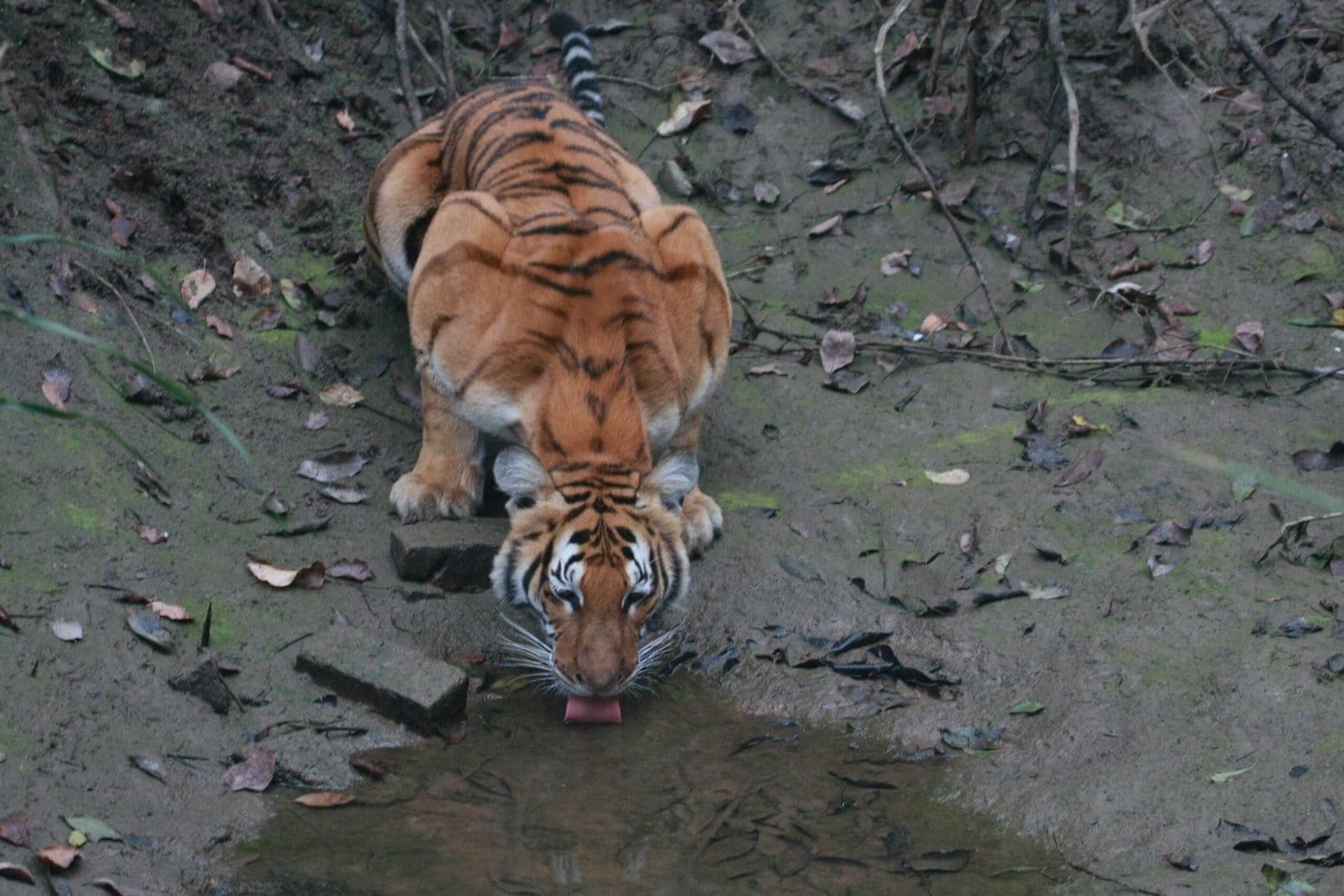
Tiger sightings in Dudhwa can be more rewarding during the warmer months, particularly from March to June. As temperatures rise, wildlife activity often becomes more concentrated around water sources.
Water becomes ever more critical as temperatures increase. Tigers and other animals may linger longer in areas with water availability. This may make certain drives more promising for tiger sightings for tourists.
Winter is another story. Wildlife activity is generally more dispersed in the cooler weather while the dense grass offers additional cover. Morning fog might also cut down on visibility.
If a tiger is your primary target, summer offers a different viewing experience than winter, but it also comes with hotter safari conditions.
Bird Watching and Breeding Seasons
Dudhwa is the best place to see migratory birds during winter. Birders and photographers can take advantage of the months from November to February when the park’s wetlands flood with winter visitors.
Imagine raising your binoculars as a flock takes flight over a wetland. The park may be every bit as alive even without a tiger appearing.
If large cats are as important as birds, don’t plan trips only for tiger sightings. Winter adds to your wildlife calendar.
Planning your visit: Safaris, zones & bookings
Safari Types and Bookings
Dudhwa provides vehicle and elephant safari experiences. The best option depends on the location you desire, the operating schedule, and the type of experience you are looking for.
First, verify the safari permit and the available time slots for your vacation date. During booking, you normally choose the safari, date, and availability slot and fill in the needed visitor data.
For Indian travelers, internet booking and UPI payments are popular options. Save your booking information and then go out to the park.
Avoid leaving your safari booking until the last week during the busiest periods. November to February is popular for winter visits, while March to June attracts visitors looking for warmer weather and increased opportunities to spot wildlife near water sources.
Zones, Peak Dates and Crowds to Watch
Dudhwa safari experiences vary by area, and visitor numbers change throughout the season. Long weekends, festival times and popular winter dates may attract more tourists.
A good rule of thumb: if you prefer a quieter experience, choose midweek dates away from major holidays. You may also have greater flexibility when arranging safari slots around your stay.
Imagine two mornings. You have a busy gate with a few cars waiting. The other starts on a calmer midweek morning, when there is more time to get into the drive.
The change begins even before you reach Dudhwa. Book the safari before you book the hotel. Safari spaces are restricted, but accommodations are often simpler to get. You might book the accommodation first and end up with a stay and no proper safari slot.
Synchronize Your Month and Your Goal
The more convenient travel window is the easier one, November to February. Cooler weather, winter birds, and families might be more comfortable with early travel.
For tiger-focused outings, March to June can offer better sighting opportunities, particularly around water sources. The heat can be challenging, but changing animal movement patterns may work in your favour.
If birdwatching is your priority, the primary winter migration period is from November to February.
Dudhwa then closes for the monsoon period from July to October, limiting your opportunity during the rainy season. It is also wise to allow some buffer time in your itinerary, as weather, fog, and permit or safari-slot schedules can affect the flow of a safari day.
The idea is to choose your month before you pick the remainder of the vacation.