

 Uttar Pradesh
The Terai Haven
Dudhwa National Park & Kishanpur Wildlife Sanctuary
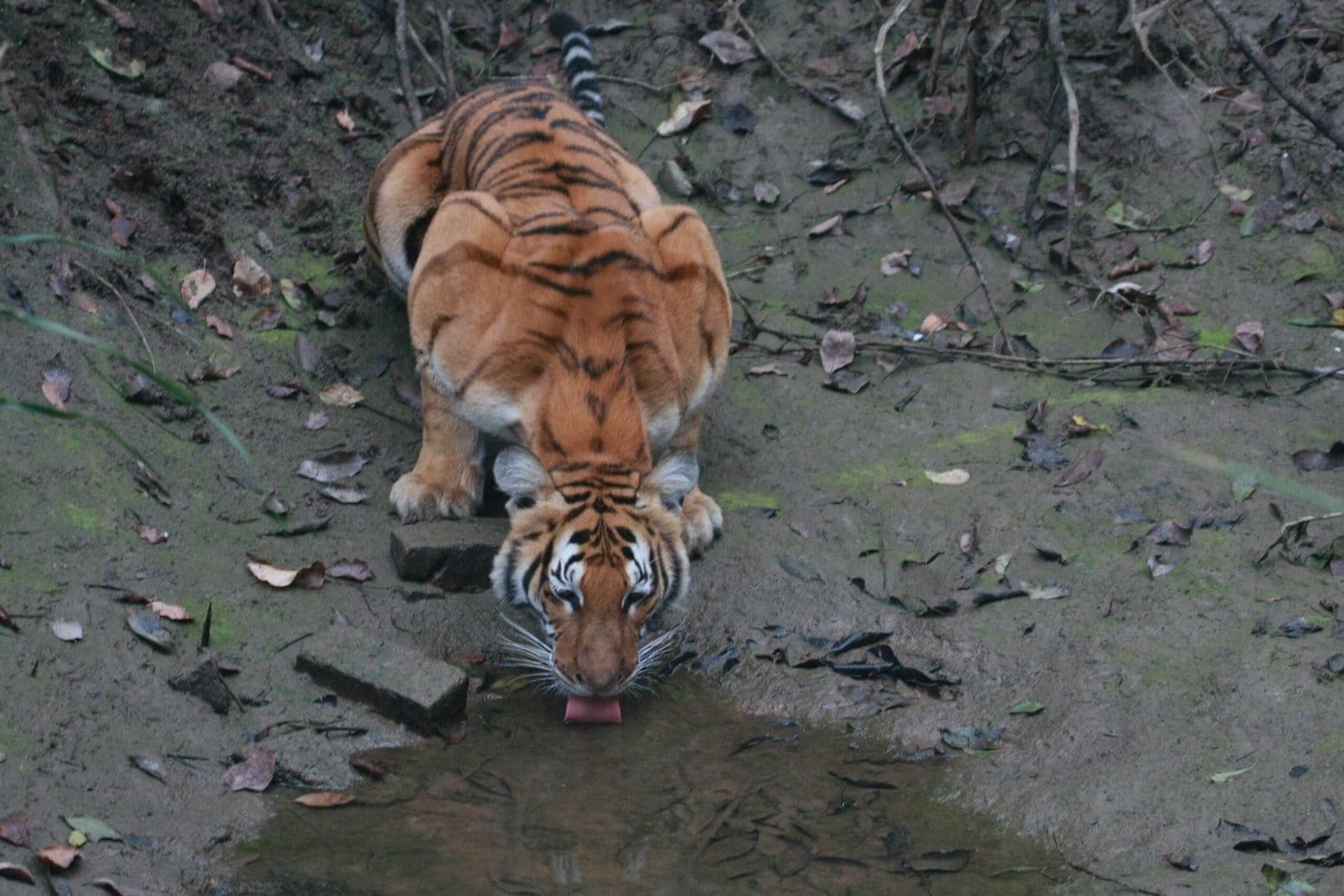
Dudhwa is located in Lakhimpur Kheri district of Uttar Pradesh, spread over 490 sq km.

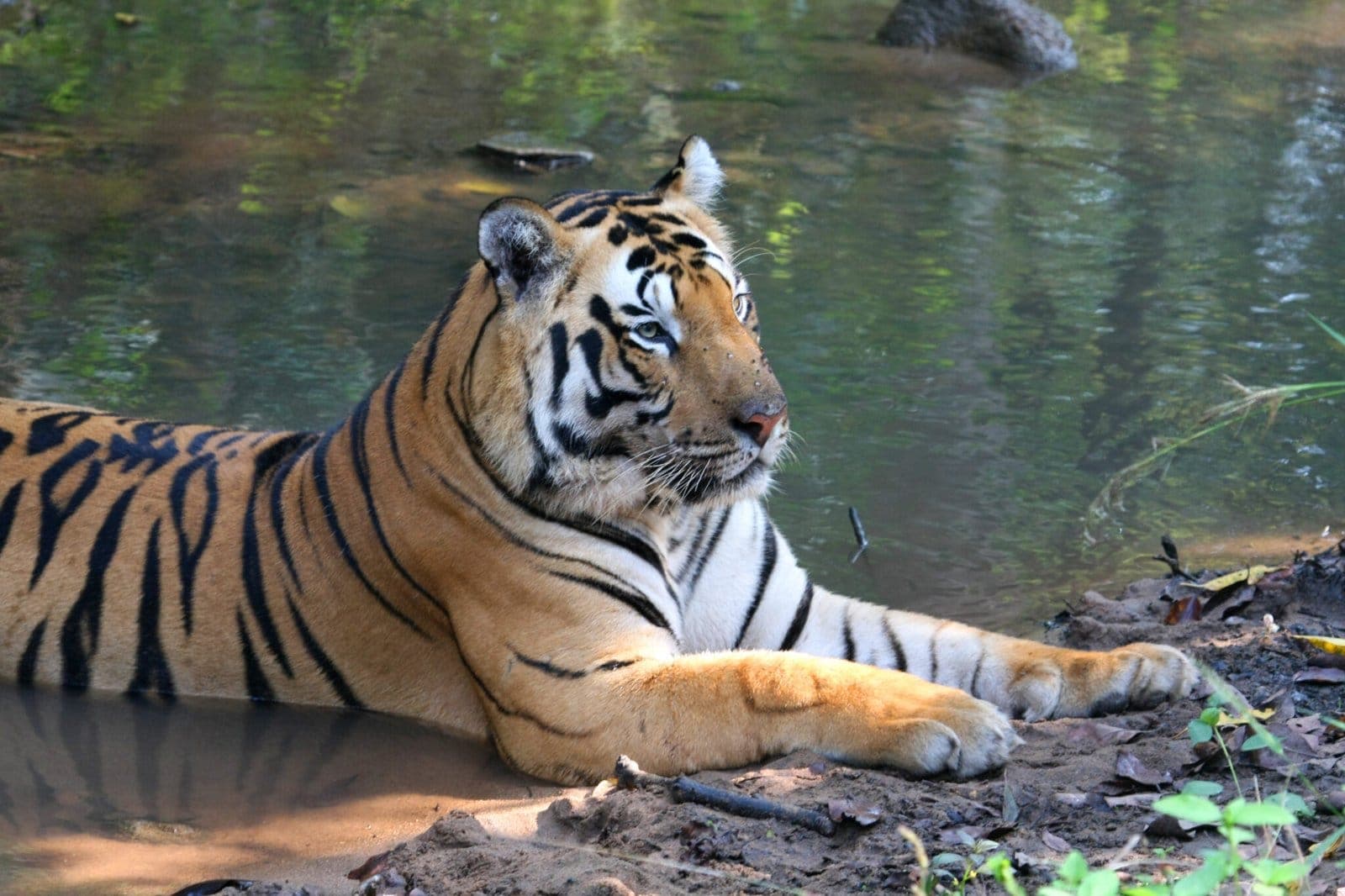
The emerging tiger reserve
Bespoke jeep safaris across Pilibhit's Mahof, Mala, and Haripur ranges, with safari permits arranged through the official UP Ecotourism system, experienced naturalist guides, and seamless planning for international travellers.
Overview
Pilibhit Tiger Reserve lies within the great Terai belt, a landscape born of rivers descending from the Himalaya.
It has 2 core tourism zones, zone 1 (Mohof), zone 2 (Barhai). Here, water shapes everything. Tall elephant grass sways over seasonally flooded plains, sal forests rise on slightly higher ground, and wetlands spread quietly into reed-filled marshes. The land feels soft, layered, and alive—constantly shifting with the rhythms of rain and retreating waters.
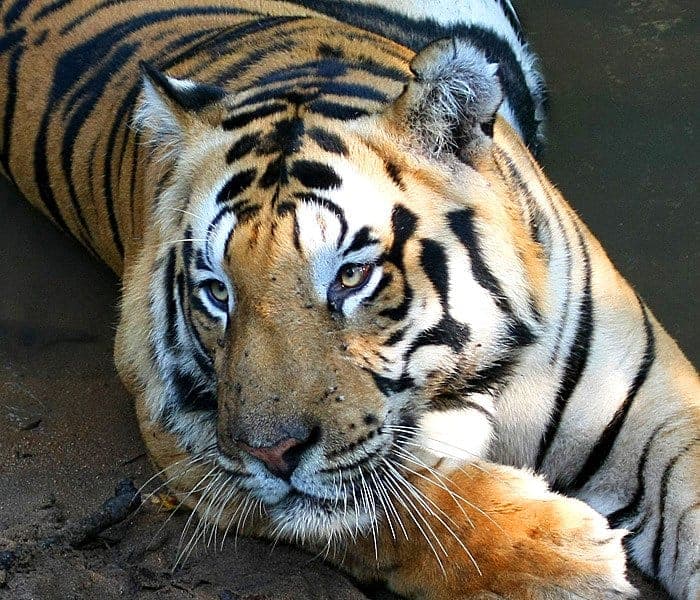
This abundance sustains a strong prey base. Chital, sambar, hog deer, nilgai, and wild boar move through grasses and forest edges, while tigers use the dense cover and riverine corridors to their advantage. Leopards, swamp deer, and smooth-coated otters further reflect the reserve’s wetland character, making Pilibhit distinct from the drier forests of central India.
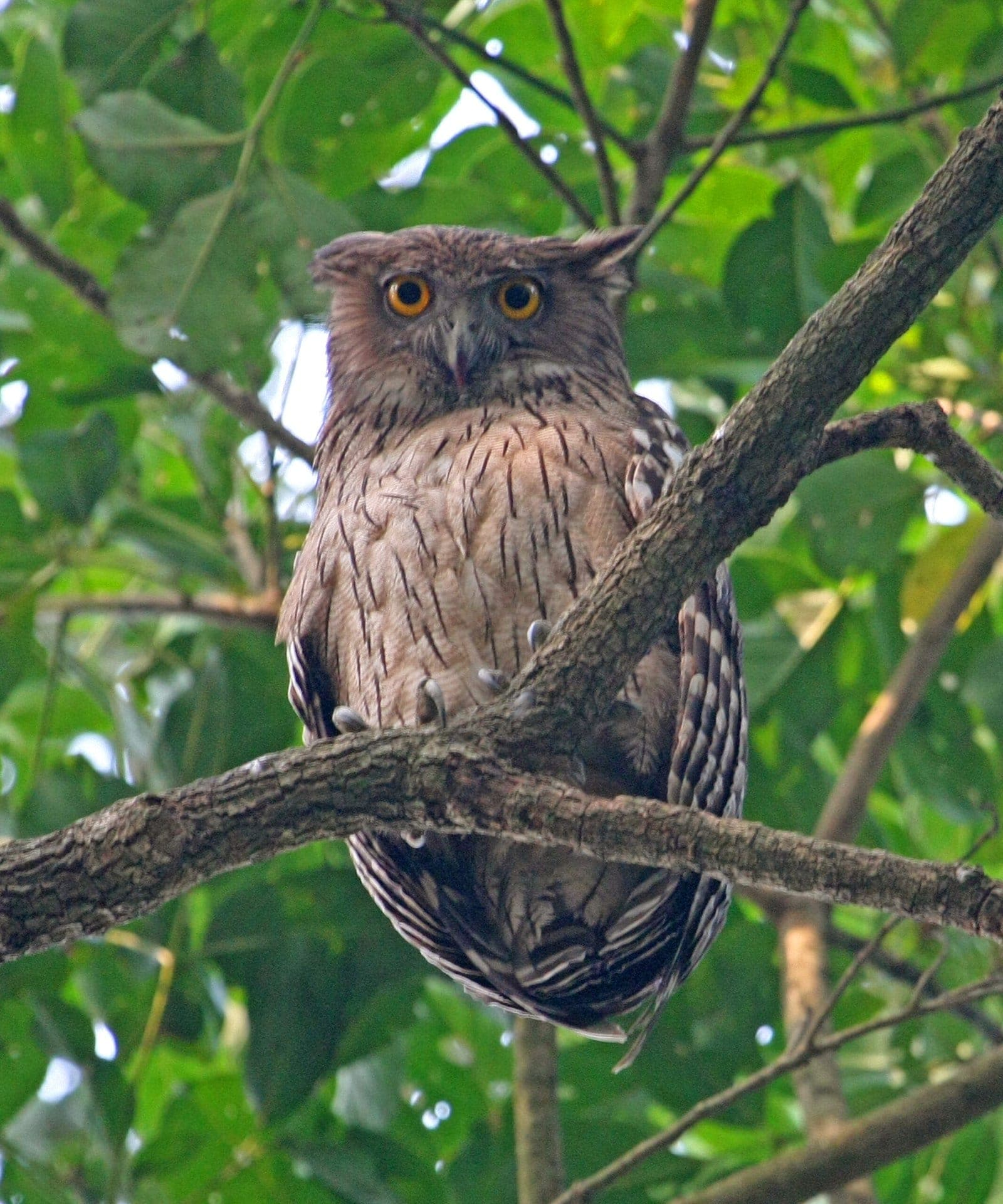
Birdlife is inseparable from the Terai experience here. Marshes, oxbow lakes, and riverbanks host an impressive variety of resident and migratory species. Calls echo from hidden grasses at dawn, waterbirds line the shallows, and the skies remain busy through changing seasons.
Pilibhit is not a landscape of sweeping views, but of immersion—of moving through tall grass, damp earth underfoot, and waterways quietly alive with movement. It is a Terai forest in its truest sense: fluid, fertile, and quietly powerful.
Pilibhit Tiger Reserve, located in the Terai region of Uttar Pradesh, is shaped by rivers flowing down from the Himalayas. The landscape here is rich in water, with wetlands, grasslands, and sal forests creating a setting that feels very different from the dry forests of central India.
The reserve has two main tourist zones—Chuka and Mala—along with the Barahi range. Tall elephant grass, marshes, and river channels spread across the area, giving it a soft, layered, and constantly changing landscape.
Where you’ll explore
Known for its scenic views and water bodies, this zone offers a good mix of wildlife sightings and open landscapes.
One of the main areas for safaris, with regular wildlife movement and chances of spotting tigers.
A quieter zone with grasslands and marshes, ideal for a more peaceful and relaxed safari experience.
Plan your visit
November – February
March – June
July – October
For a month-by-month view across India’s parks, read our guide to the best time for a tiger safari in India.
Getting there
There are many ways to get to Pilibhit by air, rail, and road.
The nearest airport is Bareilly (around 70 km). Lucknow Airport (about 250 km) is the better-connected option.
The nearest railway station is Pilibhit, with connections to major cities via Bareilly and Lucknow.
Pilibhit is well connected by road to Bareilly, Lucknow, and Delhi. The drive from Bareilly takes about 1.5–2 hours.
Plan your safari
All-Inclusive Packages Stay, all meals, forest permits, gypsy safaris, and trained guides are included for a seamless experience.
Experienced Local Guides Knowledgeable guides who understand the jungle, read alarm calls, and track wildlife effectively.
Comfortable Safari Lodges Carefully selected stays that offer both comfort and proximity to the park.
Thoughtfully Planned Expeditions Every detail is considered to ensure a smooth, comfortable, and rewarding safari.
Fair Pricing Well-curated experiences offered at reasonable and transparent costs.
You can book your complete package through Curated Canopy Safaris.
You will need to provide a valid ID (Aadhaar card / PAN card / Driving Licence; passport for foreign nationals) for permit booking.
Safaris are limited and should be booked in advance.
Book in Advance Safari permits are limited and sell out quickly, so plan ahead.
Wear Neutral Colours Earth tones help you blend into the surroundings and avoid disturbing wildlife.
Carry Essentials Mobile phones may be restricted in some parks, so bring a camera and binoculars.
Follow Park Guidelines Always follow the rules and instructions provided by forest authorities and guides.
FAQs
You can book through official websites or directly via our platform, Curated Canopy Safaris. We will take care of all permit bookings.
November to June is the ideal period to visit Pilibhit Tiger Reserve, as the reserve remains closed during the monsoon season from July to October. November to February offers cooler temperatures and comfortable safari conditions, with good opportunities to observe tiger activity and other wildlife. As winter progresses, wildlife movement can be rewarding, making this period particularly suitable for families and couples.
March to June is especially favourable for wildlife photography. As temperatures rise and vegetation becomes thinner, visibility improves, while animals are more likely to gather around water sources. April and May can offer excellent opportunities for clear sightings and photography, particularly during the early morning hours when the light is favourable.
May and June can be hot, with daytime temperatures reaching around 35 to 40 degrees C, so early-morning safaris and a midday rest are advisable. Curated Canopy can tailor itineraries according to your priorities, whether you are looking for comfortable weather, higher sighting opportunities, or the best photographic conditions.
Next step
Testimonials
Namaskar, I am Dr Suneet Raut. Myself and my wife, Dr Susheela visited Kanha National Park, last year, by April 2025. Our close friend, Dr Prakash Babu, called me whether we were interested in doing this safari trip. As we both are nature lovers, and having visited Tadoba and other sanctuaries, were delighted by this call. It was the last week of April. We flew from Mumbai to Jabalpur, then to Kanha sanctuary. I must say, the total experience of those 4 days was WONDERFUL.
Read the full review Show less
The flights, transportation to and fro by road, the accommodation, food, overall comforts and personal attention and care of Curated Canopy Safaris was exceptional. One thing I would like to mention, that, Dr Prakash himself is a wildlife enthusiast, has a deep knowledge of birds and animals, has good knowledge of flora and fauna. His planning is meticulous and punctual. His venture Curated Canopy Safaris is a dependable service. We both look forward to joining his safaris in future also.

Dr Suneet Raut
Palghar · Visited Kanha National Park
We had gone with Dr. Prakash Babu for a tiger safari to Kanha National Park last year. We enjoyed the trip thoroughly. The trip was very meticulously arranged by Dr. Babu from Curated Canopy Safaris, taking into consideration all the minutest needs of every member. The stay was very comfortable. Tours well arranged and comfortable. We saw 4 tigers and it made us all very happy and fulfilled.

Dr. Susheela Raut
Palghar · Visited Kanha National Park
Curated Canopy Safaris organised our trip to Kanha National Park in May ’25. The stay was in a serene hotel close to the park with amazing food and courteous staff. We did 1 night safari and 4 day safaris. We could see 4 tigers in 5 safaris. The tour guide and drivers were very alert and had a thorough know-how of the parks. Besides tigers we could spot many deer, wild boars, peacocks and bisons.
Read the full review Show less
Overall we felt the time and money was well spent and are looking forward to similar experiences with Canopy Safaris 👍

Dr. Geeta Raju
Visited Kanha National Park
Keep exploring
Extend your Pilibhit trip with Dudhwa National Park Safari Booking or Jim Corbett safari booking.
Uttar PradeshThe Terai Haven
Dudhwa is located in Lakhimpur Kheri district of Uttar Pradesh, spread over 490 sq km.
 Uttarakhand
Carpet Sahib’s Jungle
Set against the foothills of the Himalayas, Jim Corbett National Park is India’s oldest national park and a timeless wilderness where forests, rivers, and wildlife exist in powerful harmony. Located in Uttarakhand’s Nainital and Pauri Garhwal districts, the park spreads across more than 1,300 square kilometres, encompassing a rich mix of hills, riverine belts, grasslands, and dense sal forests.
Plan your safari
For international guests and luxury tours, mail us at enquiries@curatedcanopysafaris.com.