Kaziranga National Park lies along the banks of the Brahmaputra River in Assam, flanked by Karbi hills on the other side, shaped by water, silt, and seasonal change. Spread across a vast floodplain, covering 430 sq km, in Golaghat and Nagaon districts of Assam, the park is a mosaic of tall grasslands, marshes, shallow lakes, and patches of woodland—renewed each year by the river’s rise and retreat.
The wild denizens withstand the weeks of flood to feast on the rewards later.
Kaziranga has four core zones – Central (Kohora), Western (Baghori), Eastern (Agoratoli), and the newly demarcated Burapahar.
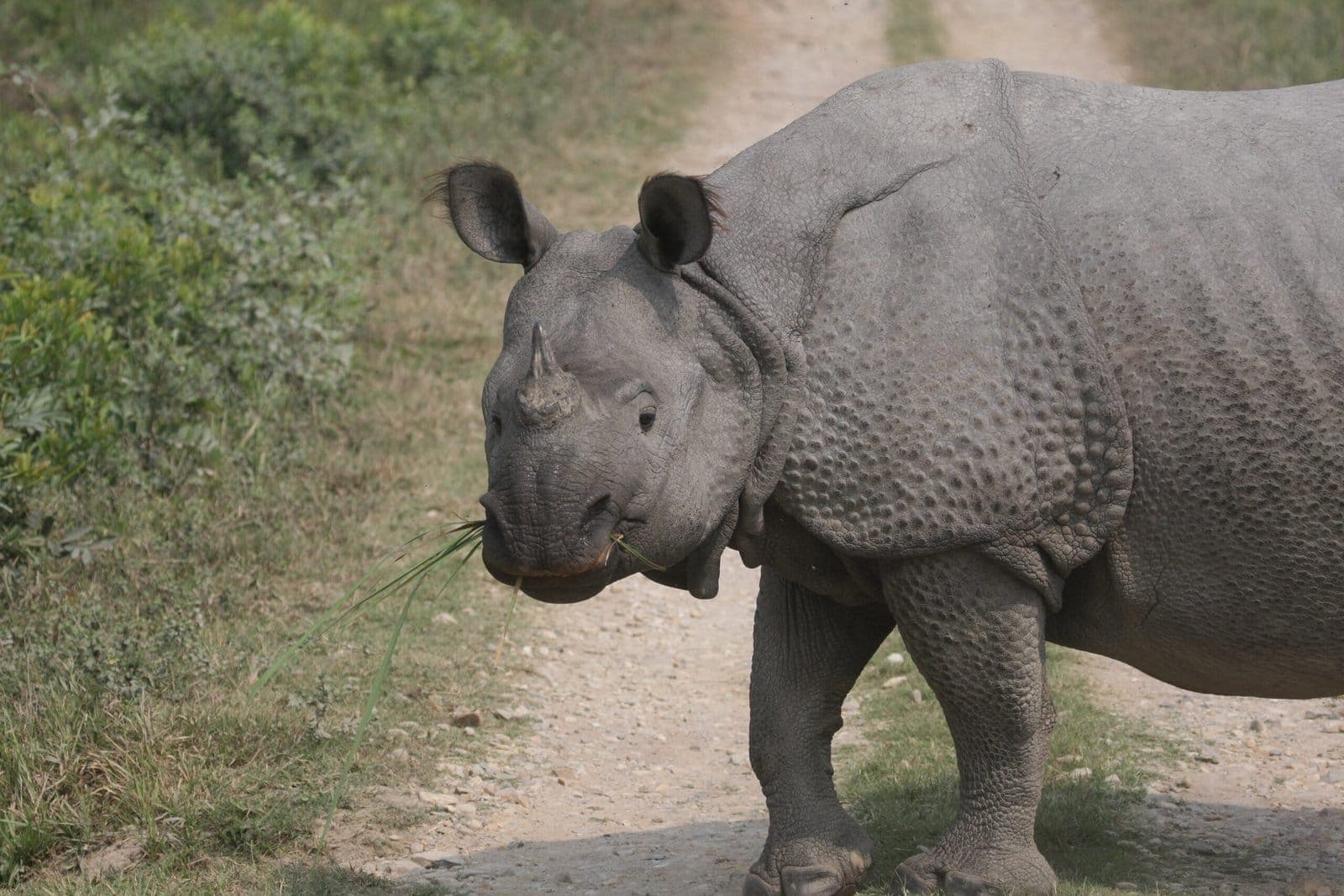
Kaziranga is best known as the stronghold of the greater one-horned rhinoceros, whose presence defines the landscape.
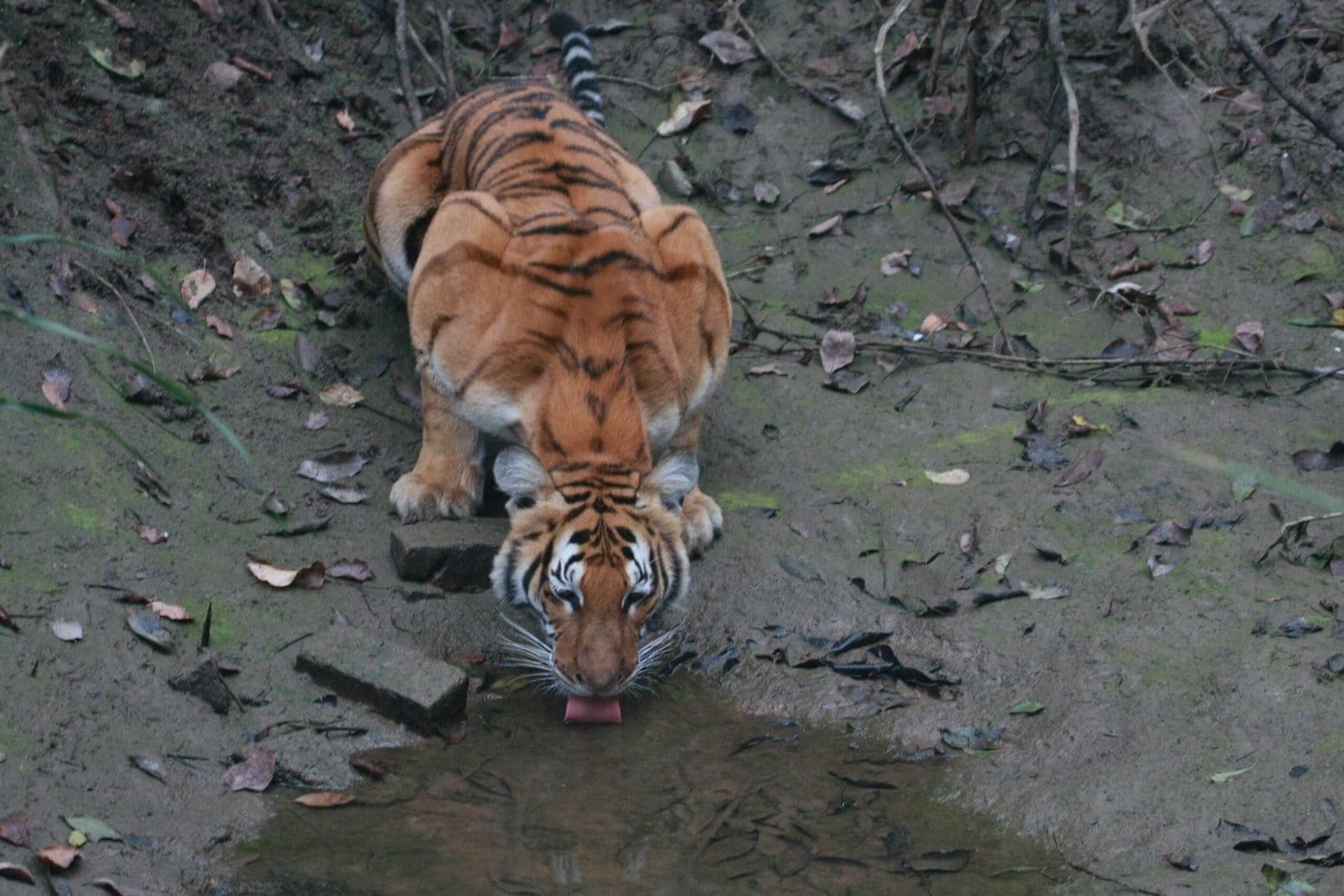
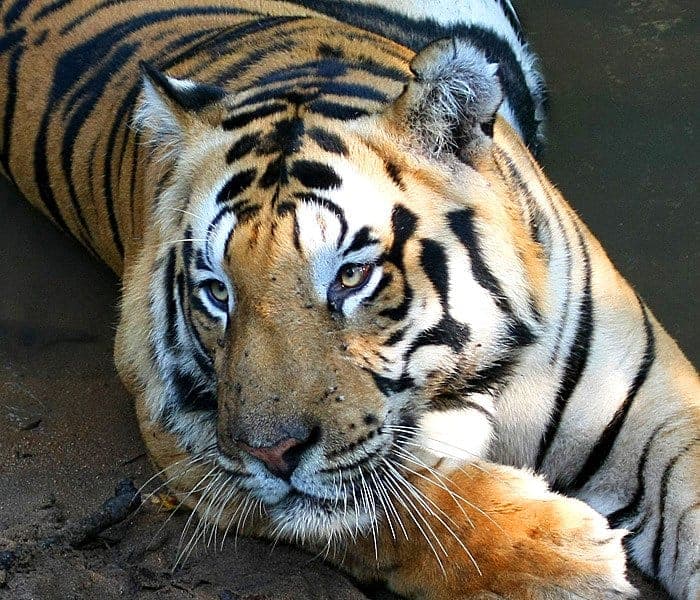
Alongside them move large populations of wild buffalo, elephants, swamp deer, and hog deer, making the park one of the richest grazing grounds in the country. Tigers inhabit the taller grass and woodland belts, using the dense cover of the floodplain, and Kaziranga has one of the highest densities of tigers in India.
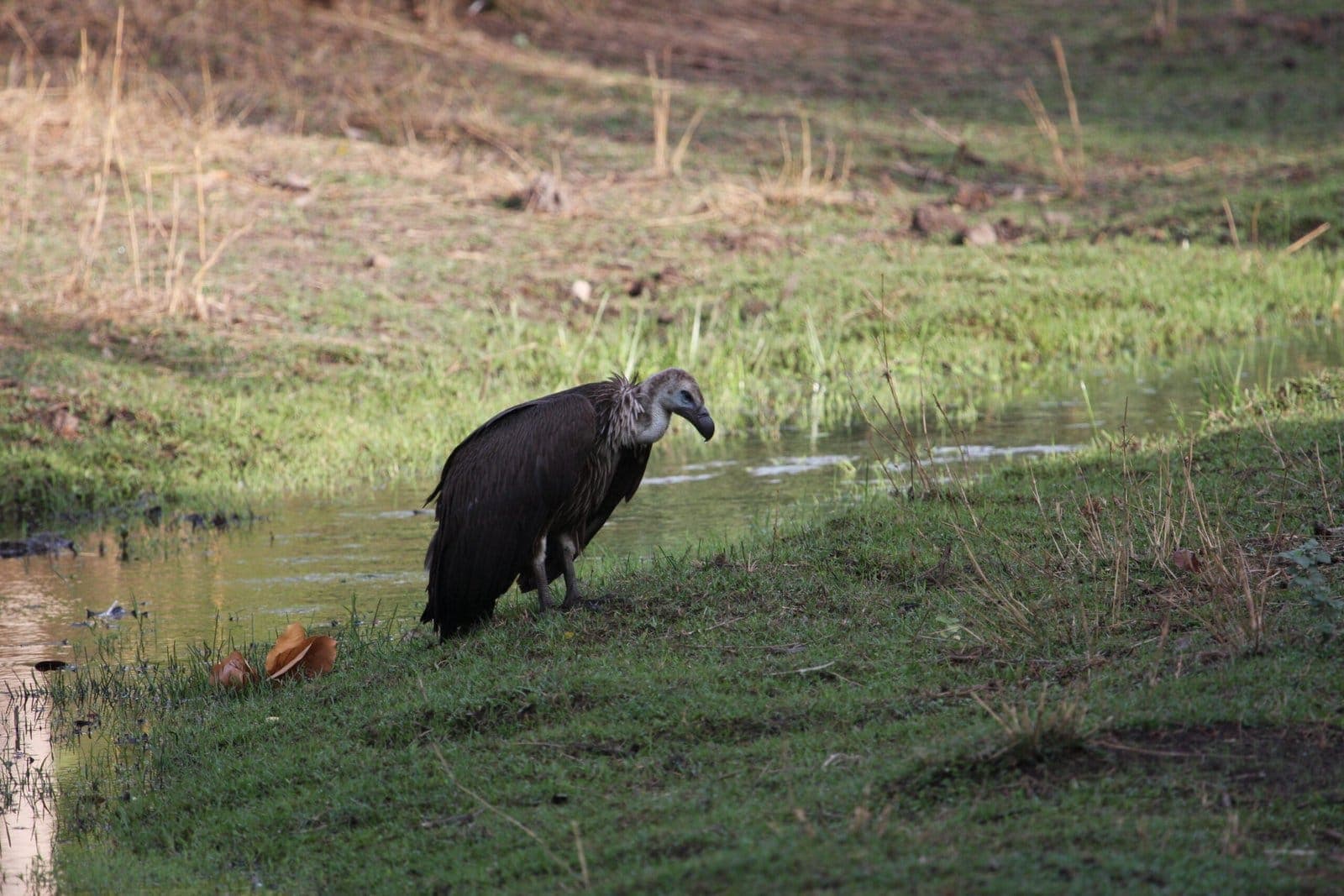
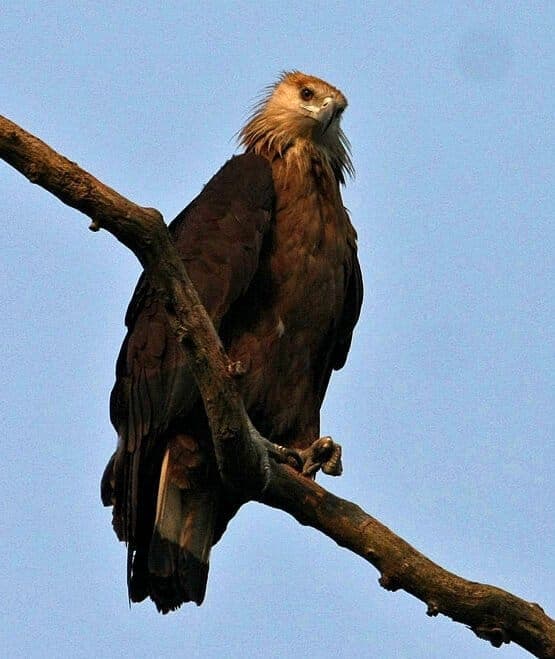
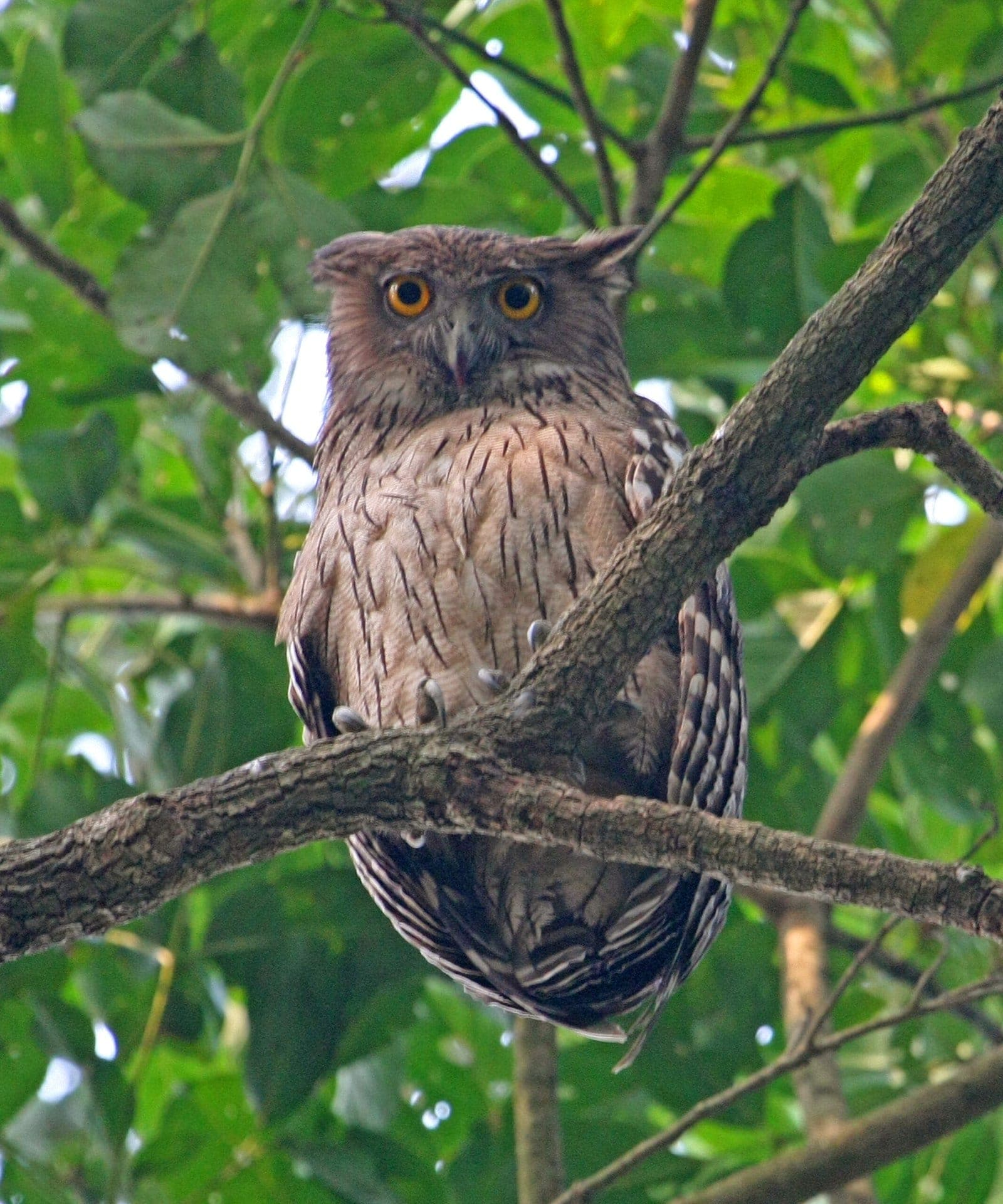
Birdlife is an inseparable part of Kaziranga’s wetlands. The Pallas’s Fish Eagle, Grey-headed Fish Eagle, the hornbill – both Great Hornbill and Oriental Pied Hornbill – and the Swamp Francolin are frequently seen. Waterbirds gather in great numbers on beels and river channels, while grassland and woodland species add constant movement and sound. Seasonal floods attract migratory birds, making the park especially alive through changing months.
Kaziranga is a place of resilience and renewal. Its grasses grow back taller each year, its wetlands or beels refill, and life returns with the rhythm of the river. Rooted in water and abundance, it stands as one of India’s most complete and enduring wildlife landscapes.
About the Reserve
Kaziranga National Park is located in Assam, along the Brahmaputra River, and is surrounded by the Karbi hills. The park spreads over more than 430 square kilometres across the Golaghat and Nagaon districts. Water, silt, and changing seasons shape the landscape here, so it keeps changing throughout the year due to floods and receding waters.
The park has tall grasslands, marshes, shallow lakes, and patches of woodland. Floods play an important role in shaping the land, and wildlife here has adapted to these changes. Kaziranga is divided into four main ranges – Central (Kohora), Western (Baghori), Eastern (Agoratoli), and Burapahar.






 Uttarakhand