
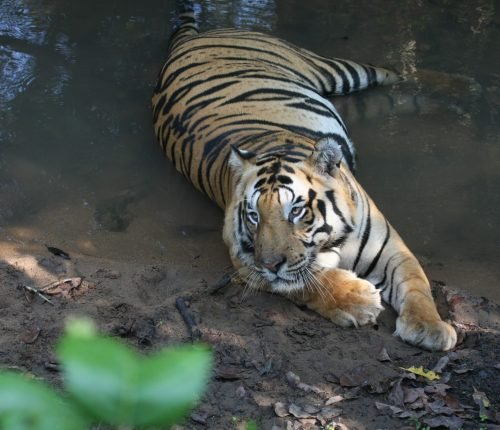
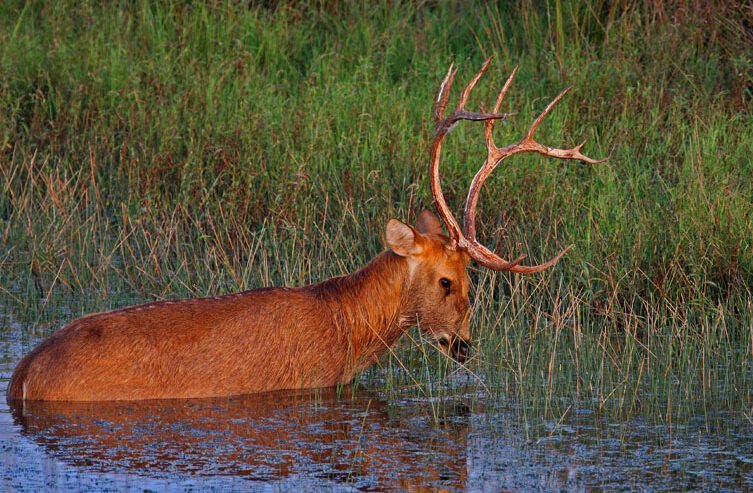
Kanha National Park
Kanha National Park, located in the Mandla and Balaghat districts of Madhya Pradesh, spans nearly 2,000 square kilometres—of which about 940 square kilometres form the core area, surrounded by a buffer of over 1,000 square kilometres. It is an eden beyond compare.
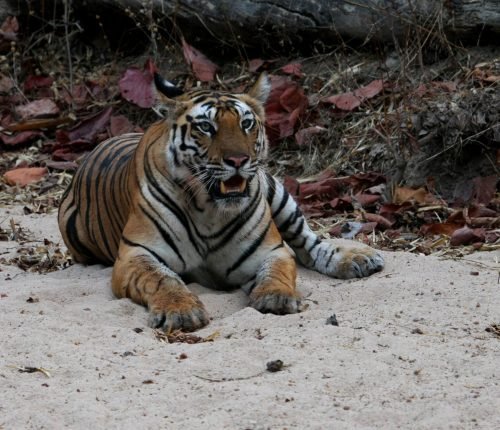
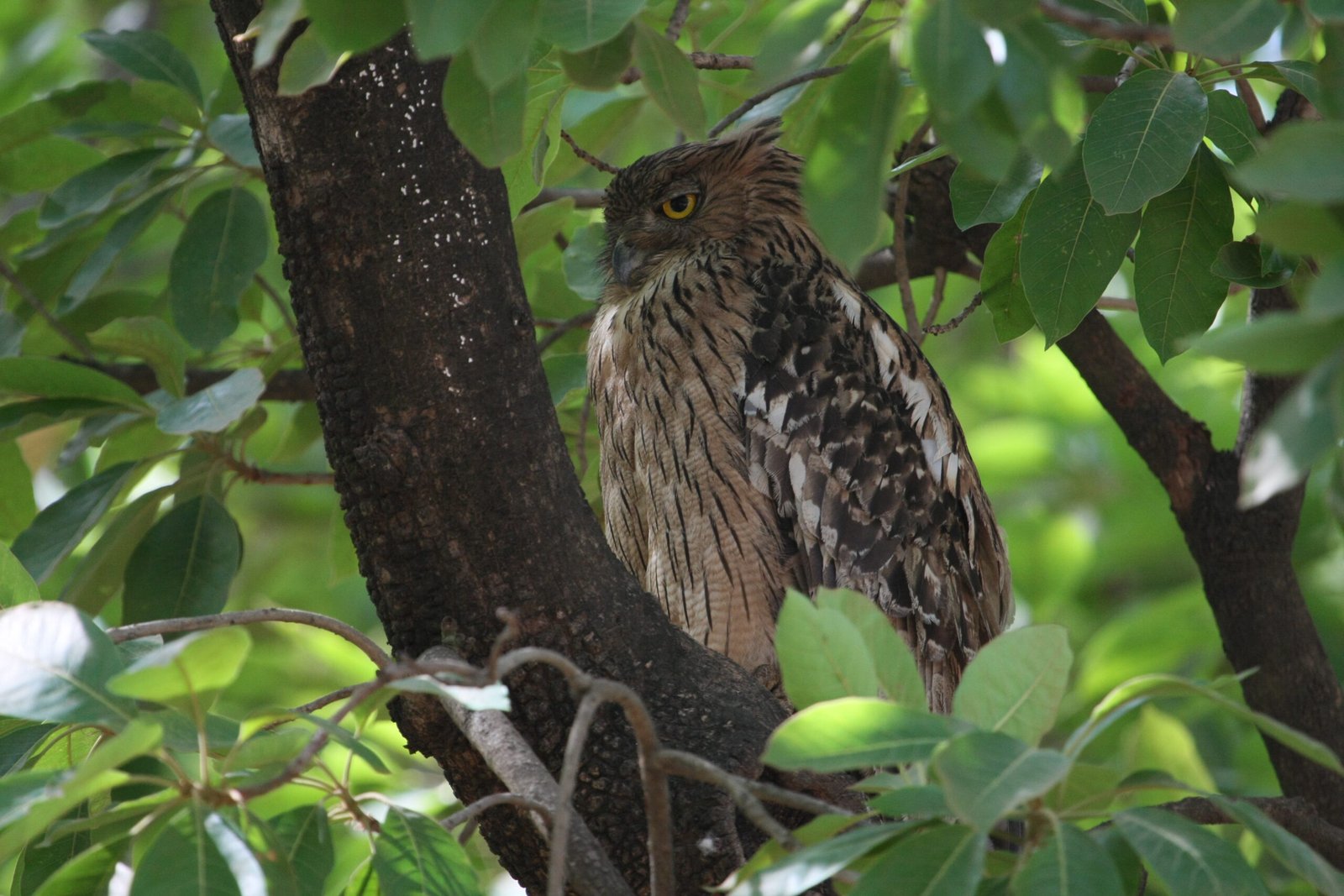
Bandhavgarh National Park
Bandhavgarh National Park, located in the Umaria district of Madhya Pradesh, is a compact reserve with an outsized presence. Spread over 1500 sq km, across a rugged terrain of low hills etc.
Pench National Park
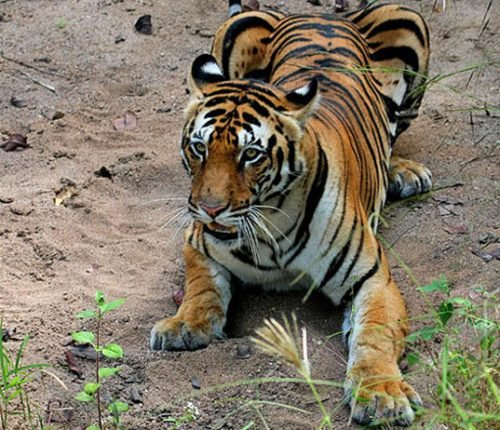
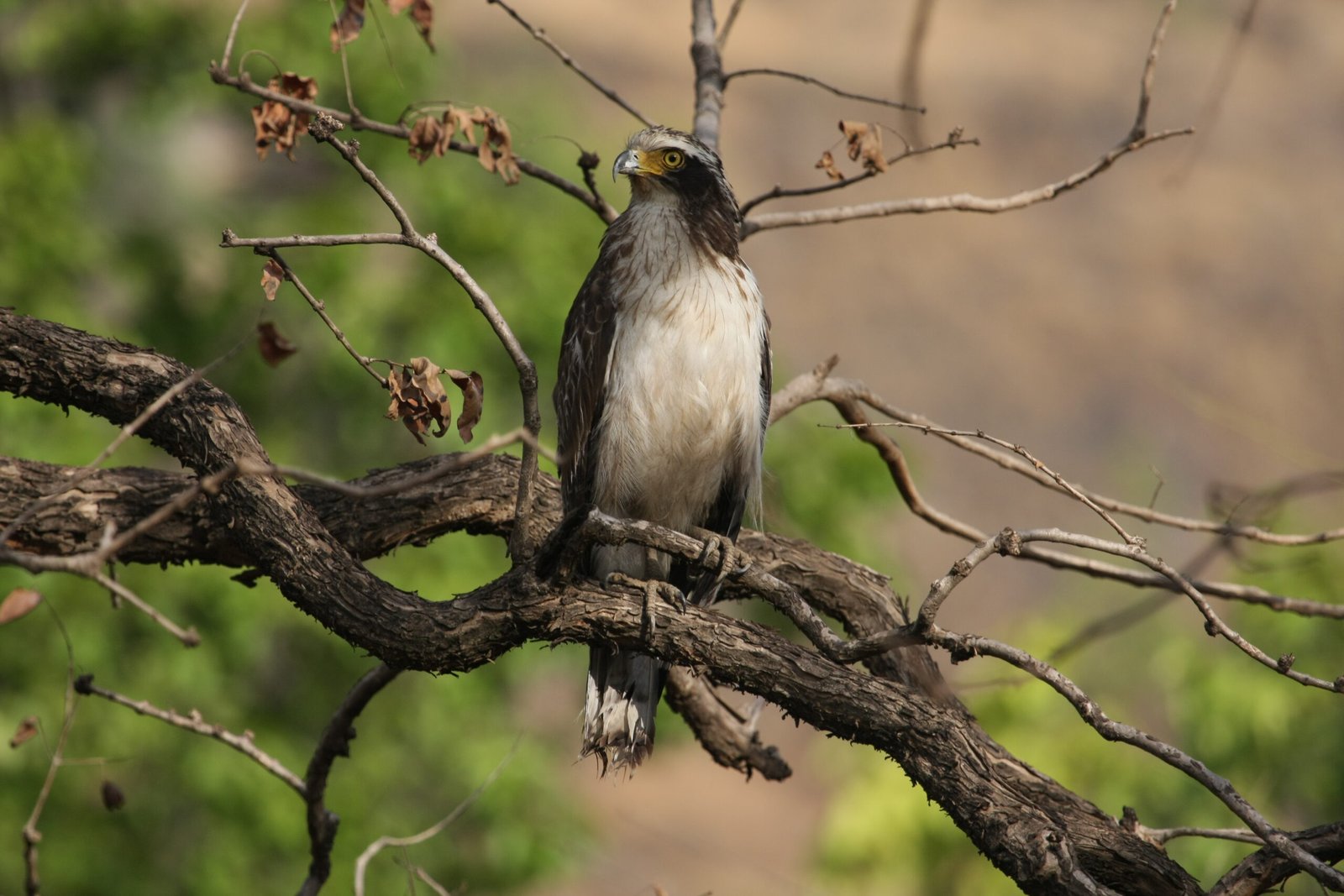
Pench National Park, located in the southern reaches of Madhya Pradesh along the Maharashtra border, forms part of a larger protected landscape shaped by the Pench River.
Panna national Park
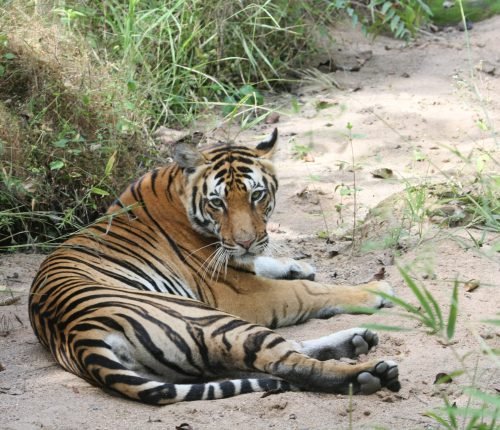
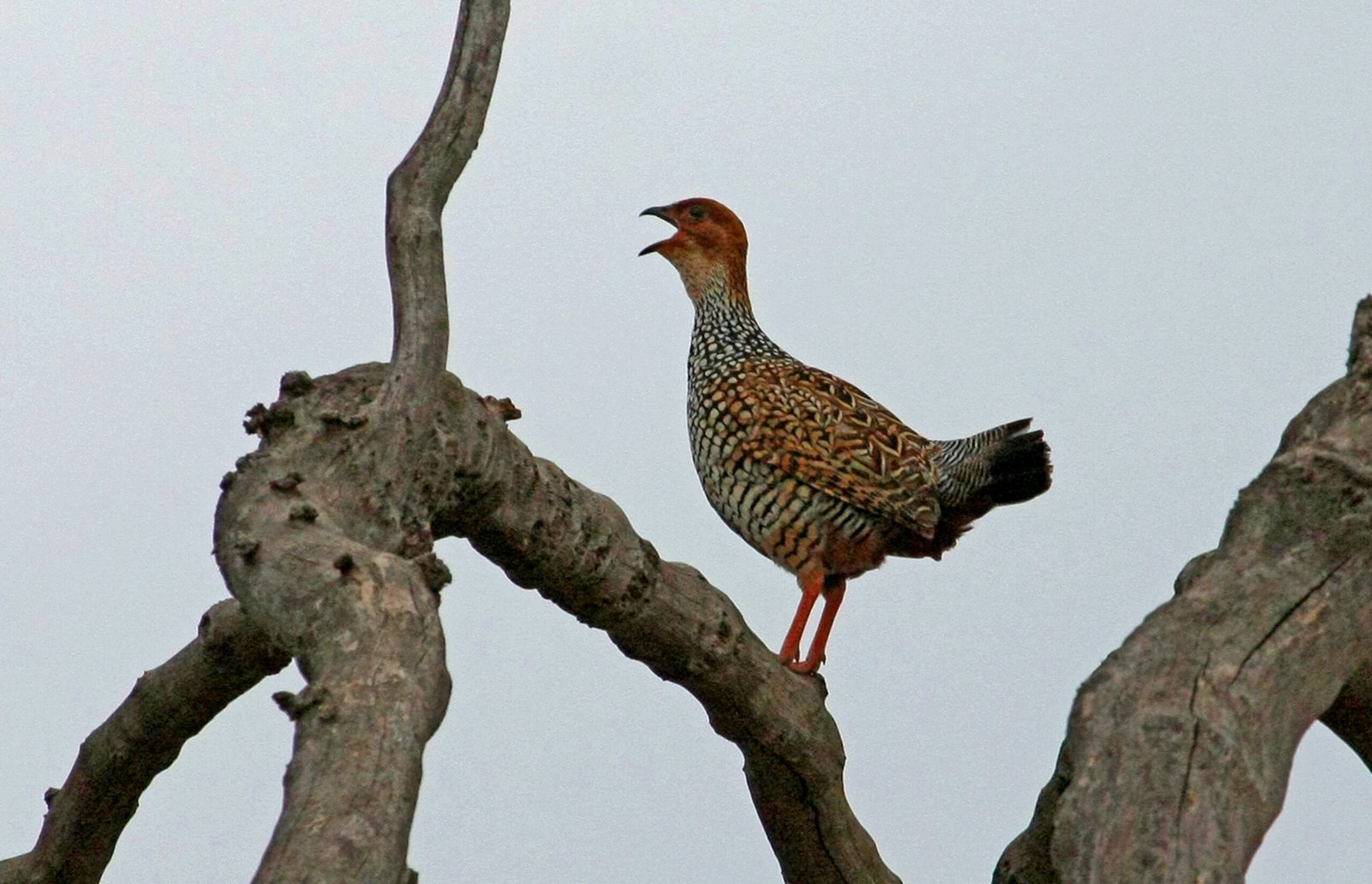
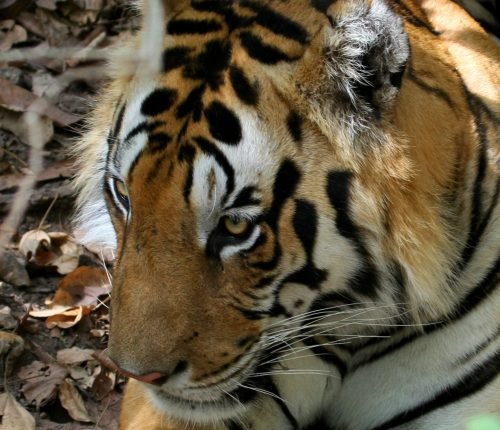
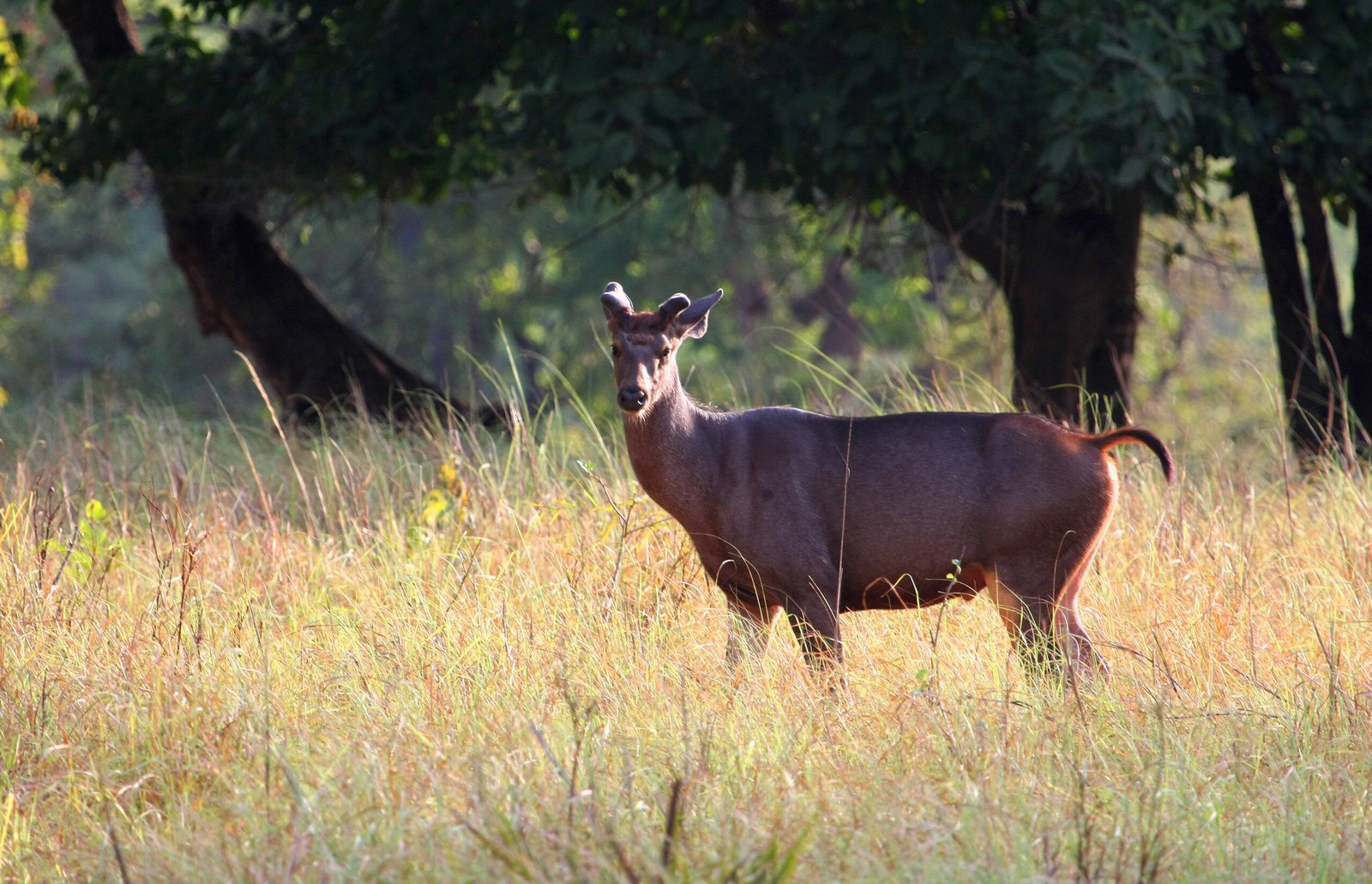
Panna National Park, nestled in the Vindhyan ranges of Madhya Pradesh, is a landscape where wilderness unfolds in dramatic contrast.The two core zones are Hinouta and Madla.
Satpura Tiger Reserve
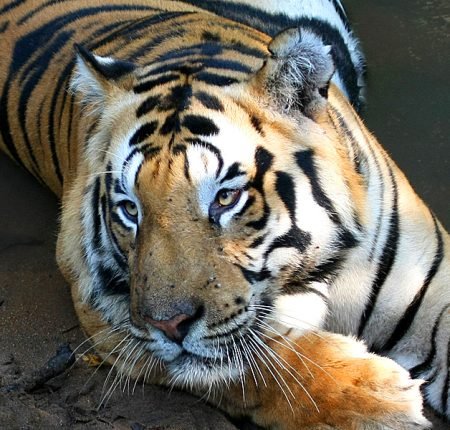
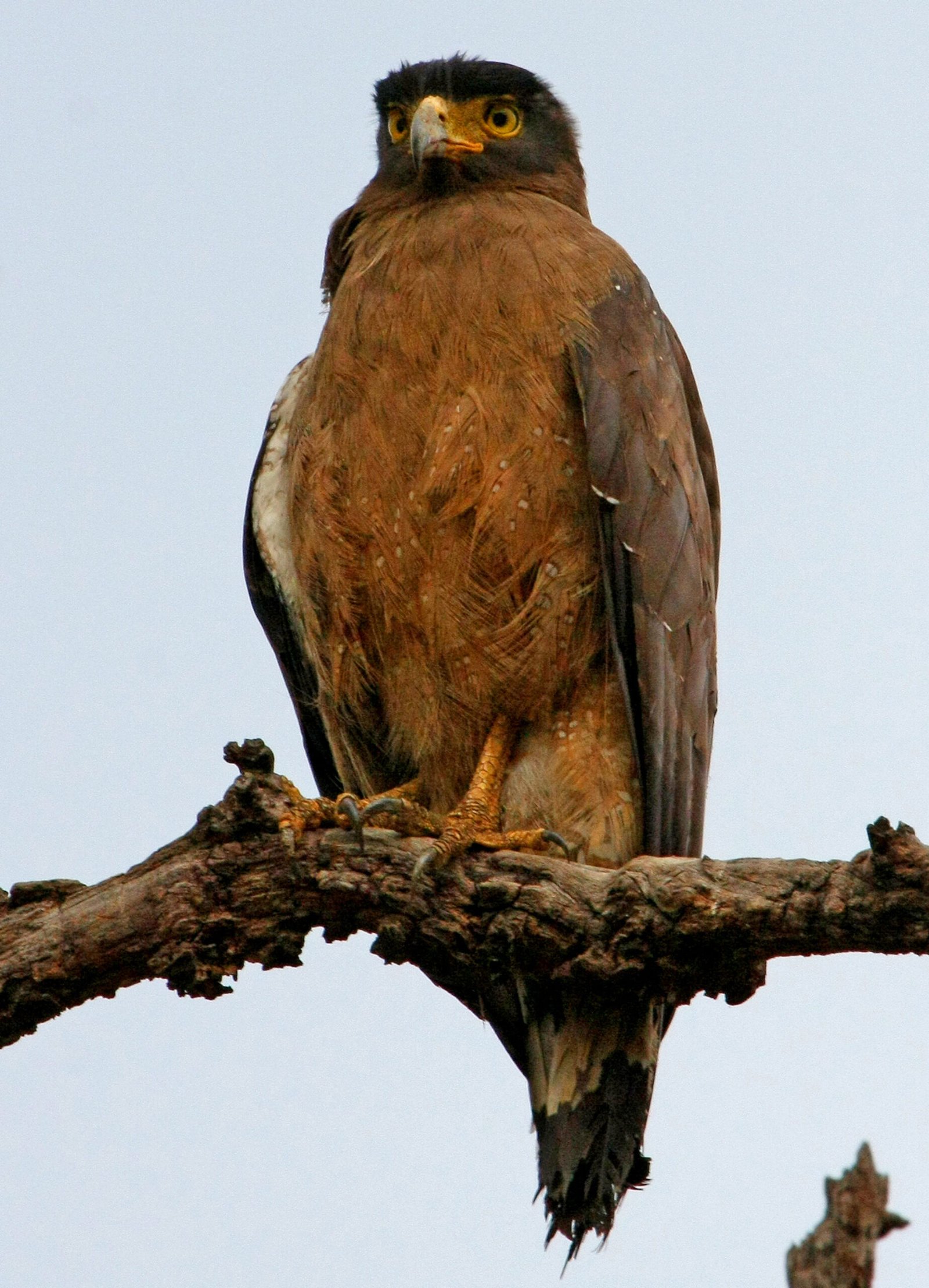
Tucked within the rugged Satpura Range, Satpura Tiger Reserve unfolds across the Narmadapuram (Hoshangabad) and Betul districts of Madhya Pradesh, spanning more than 2,100 square kilometres of raw, untamed wilderness.
Tadoba Andheri Tiger Reserve
Tadoba Andhari Tiger Reserve,spread over 1700 sq km,having three main core zones-Moharli,Kolsa and Kolara.It carries the weight of age. This is an old forest, one that feels settled into its land in eastern Maharashtra. The air is dry, the light is sharp, and the forest floor lies bare for much of the year, revealing tracks, movement, and signs that are often hidden elsewhere.
Dudhwa National park and Kishanpur Wildlife Sanctuary
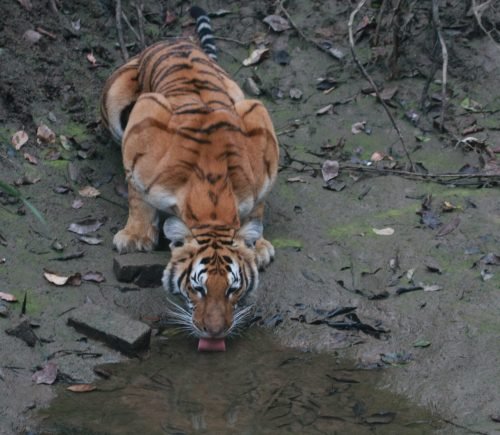
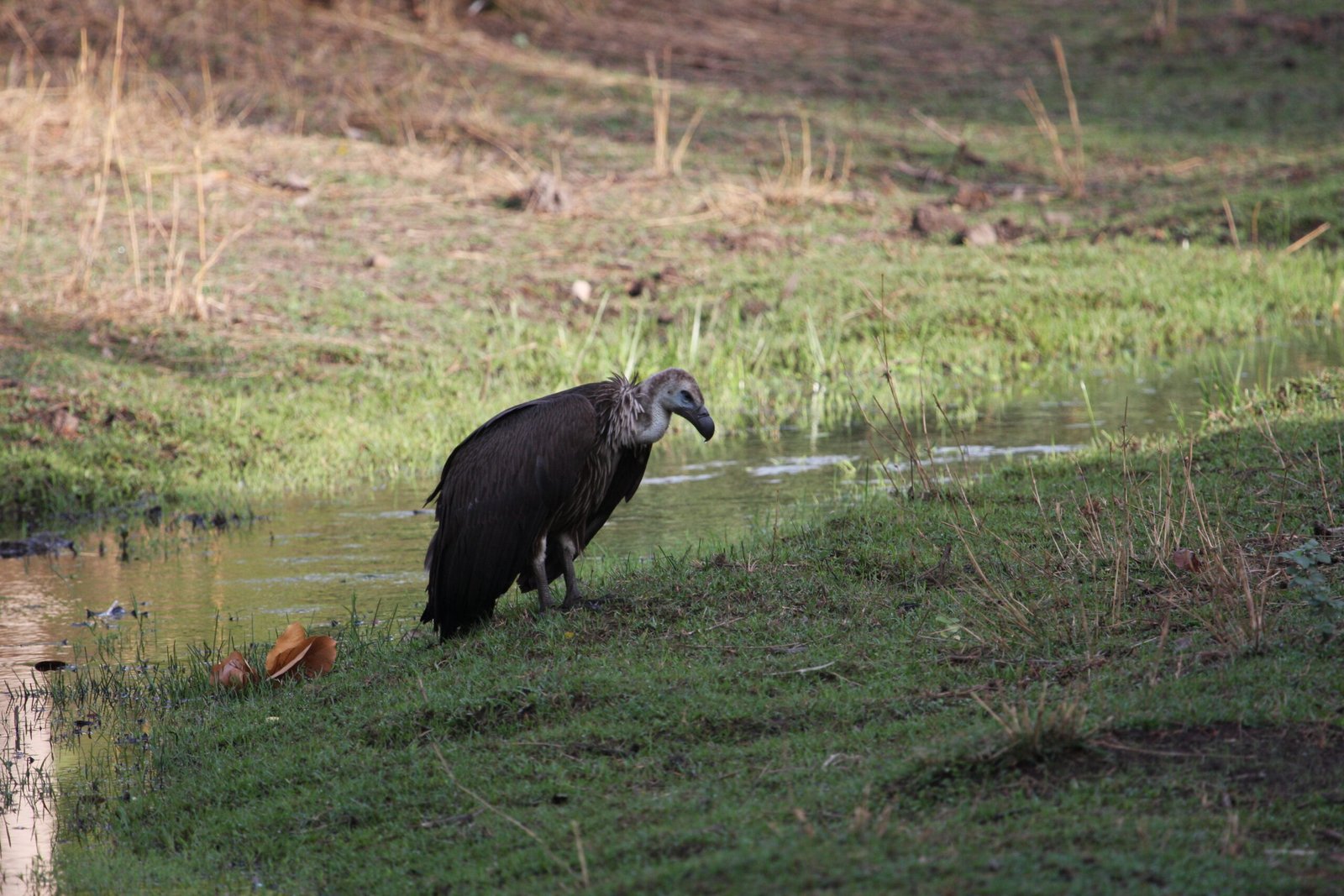
Dudhwa is located in Lakhimpur Kheri district of Uttar Pradesh,spread over 490 sq km. Tthe sanctuary functions as a vital piece of the larger Dudhwa landscape, offering continuity of habitat rather than spectacle.
Pilibhit Tiger Reserve
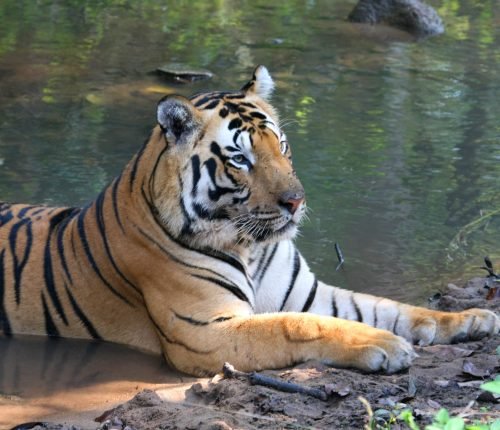
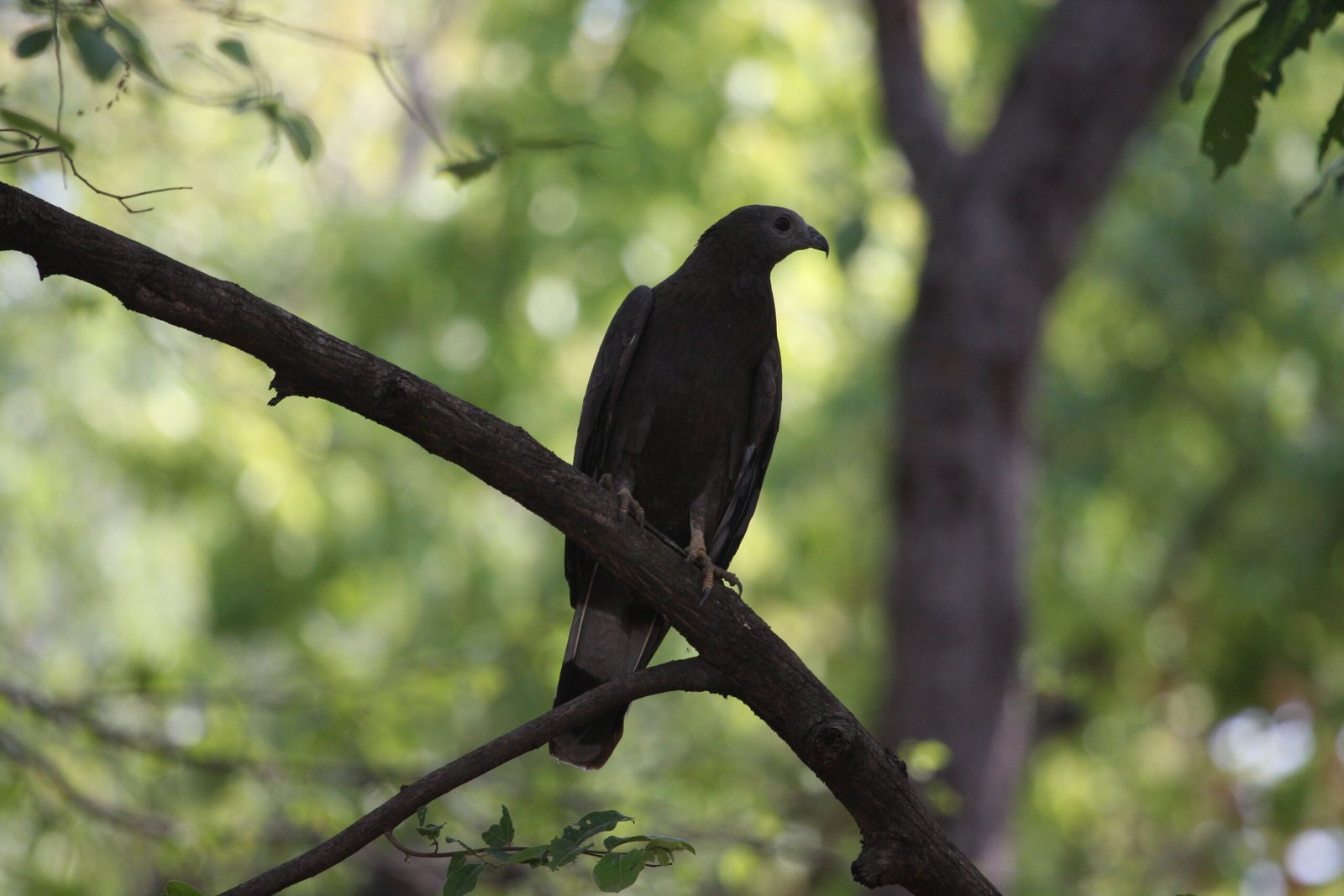
Declared a tiger reserve,in 2014,pilibhit is a comparatively new tiger reserve.But Tiger sightings are excellent. Pilibhit Tiger Reserve lies within the great Terai belt, a landscape born of rivers descending from the Himalaya.
Jim Corbett National park
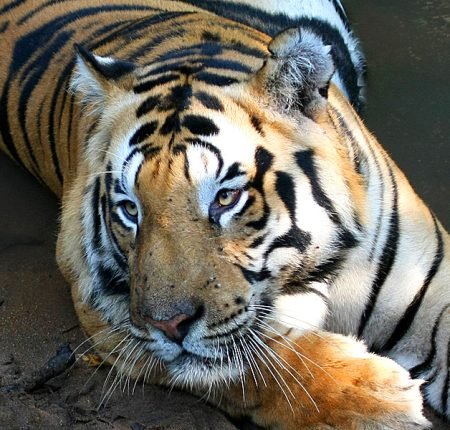
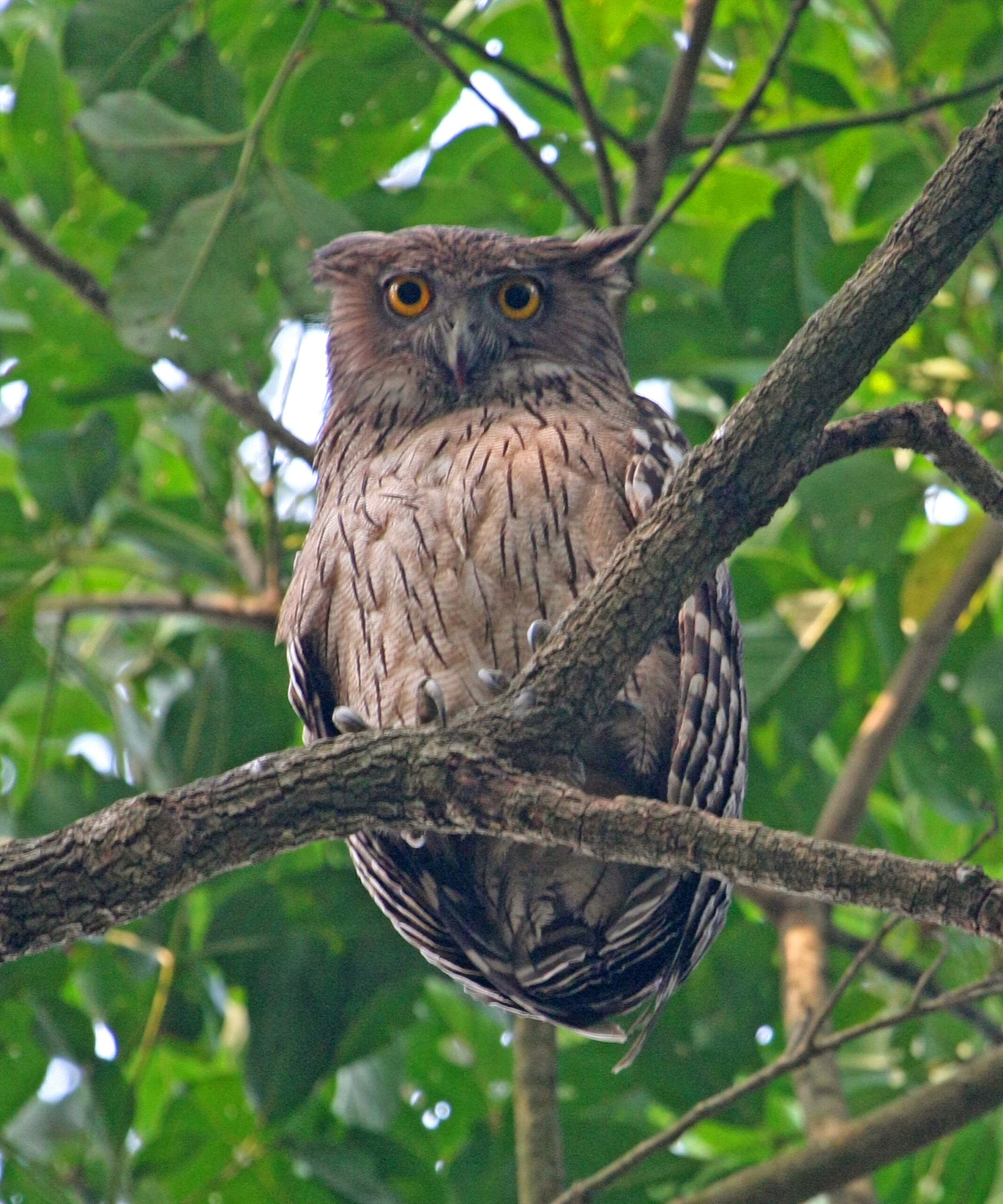
Set against the foothills of the Himalayas, Jim Corbett National Park is India’s oldest national park and a timeless wilderness where forests, rivers, and wildlife exist in powerful harmony. Located in Uttarakhand’s Nainital and Pauri Garhwal districts, the park spreads across more than 1,300 square kilometres, encompassing a rich mix of hills, riverine belts, grasslands, and dense sal forests.
Kaziranga National park
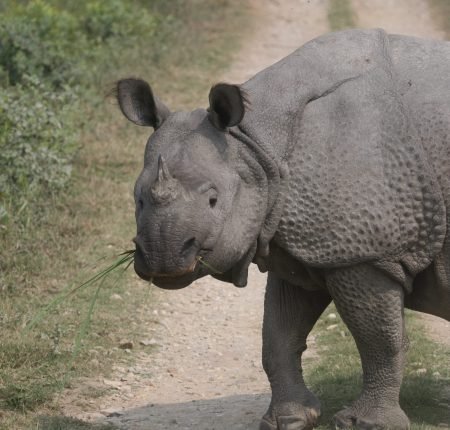
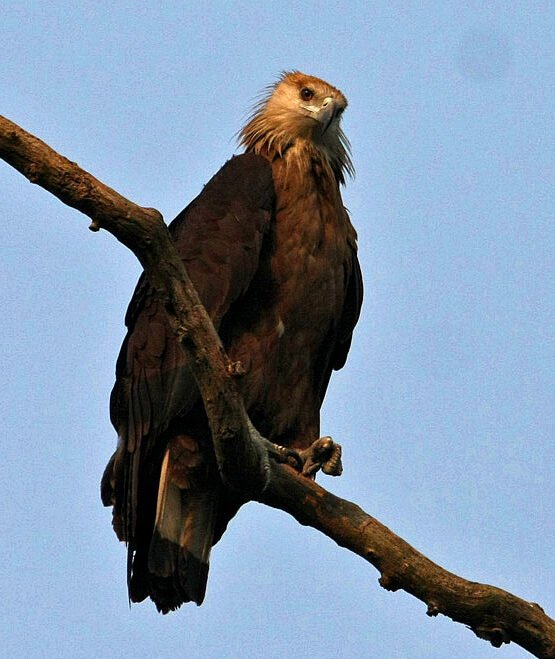
Kaziranga National Park lies along the banks of the Brahmaputra River in Assam,flanked by Karbi hills on the other side, shaped by water, silt, and seasonal change. Spread across a vast floodplain,covering 430 sq km,in Golaghat and Nagaon District of Assam, the park is a mosaic of tall grasslands, marshes, shallow lakes, and patches of woodland—renewed each year by the river’s rise and retreat.
Ranthambore National park
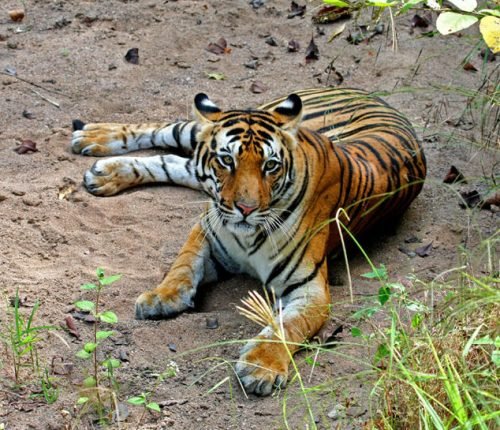
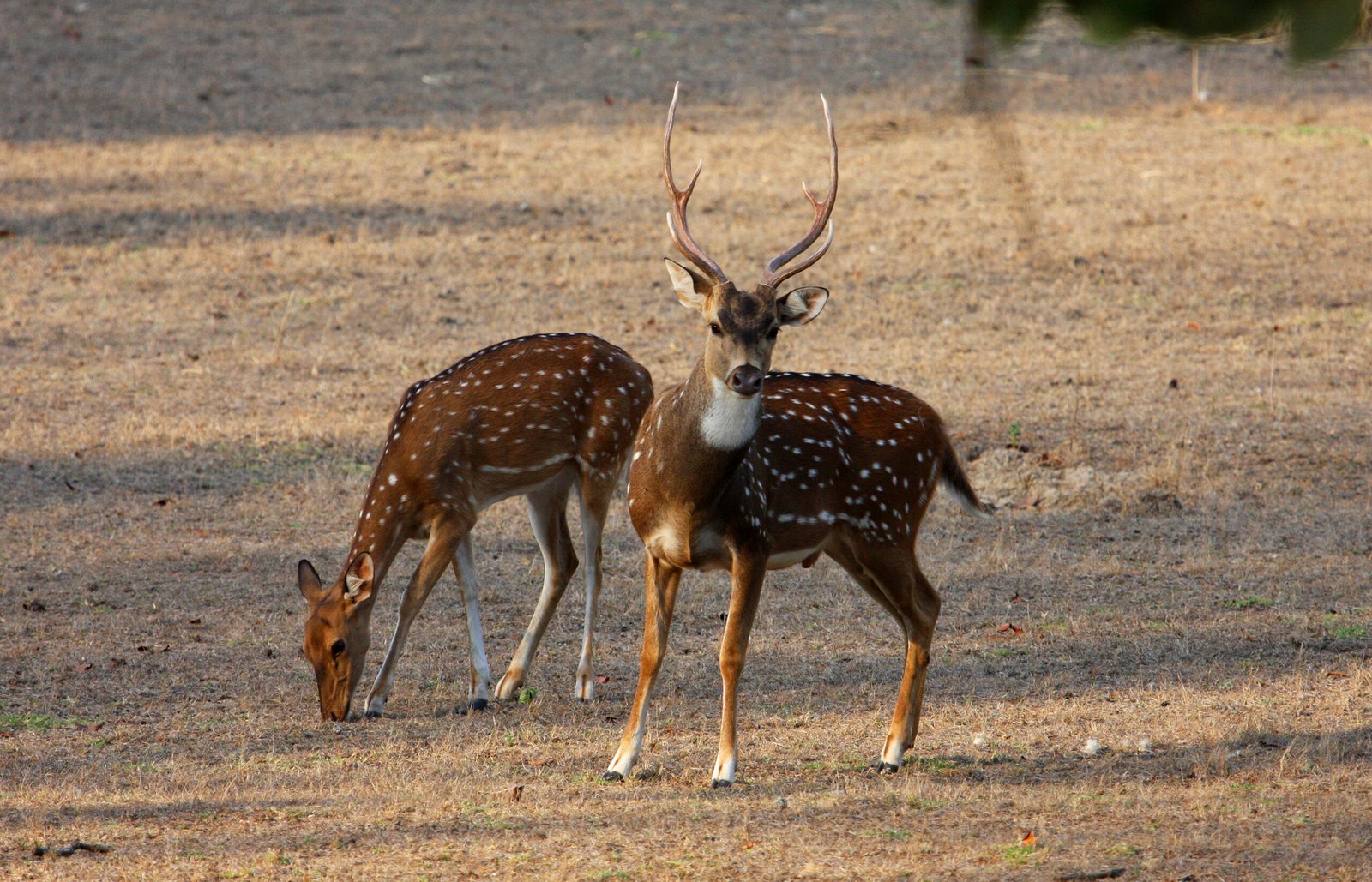
Ranthambore National Park is one of India’s most iconic wildlife landscapes. Located in eastern Rajasthan, the park unfolds across rocky ridges, dry deciduous forests, open scrub, and ancient lakes—each element adding to its unmistakable character.
Gir National park
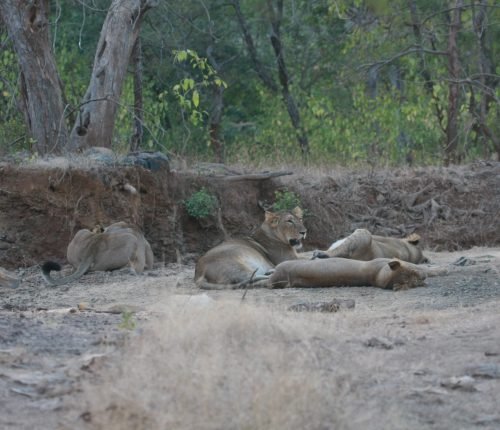
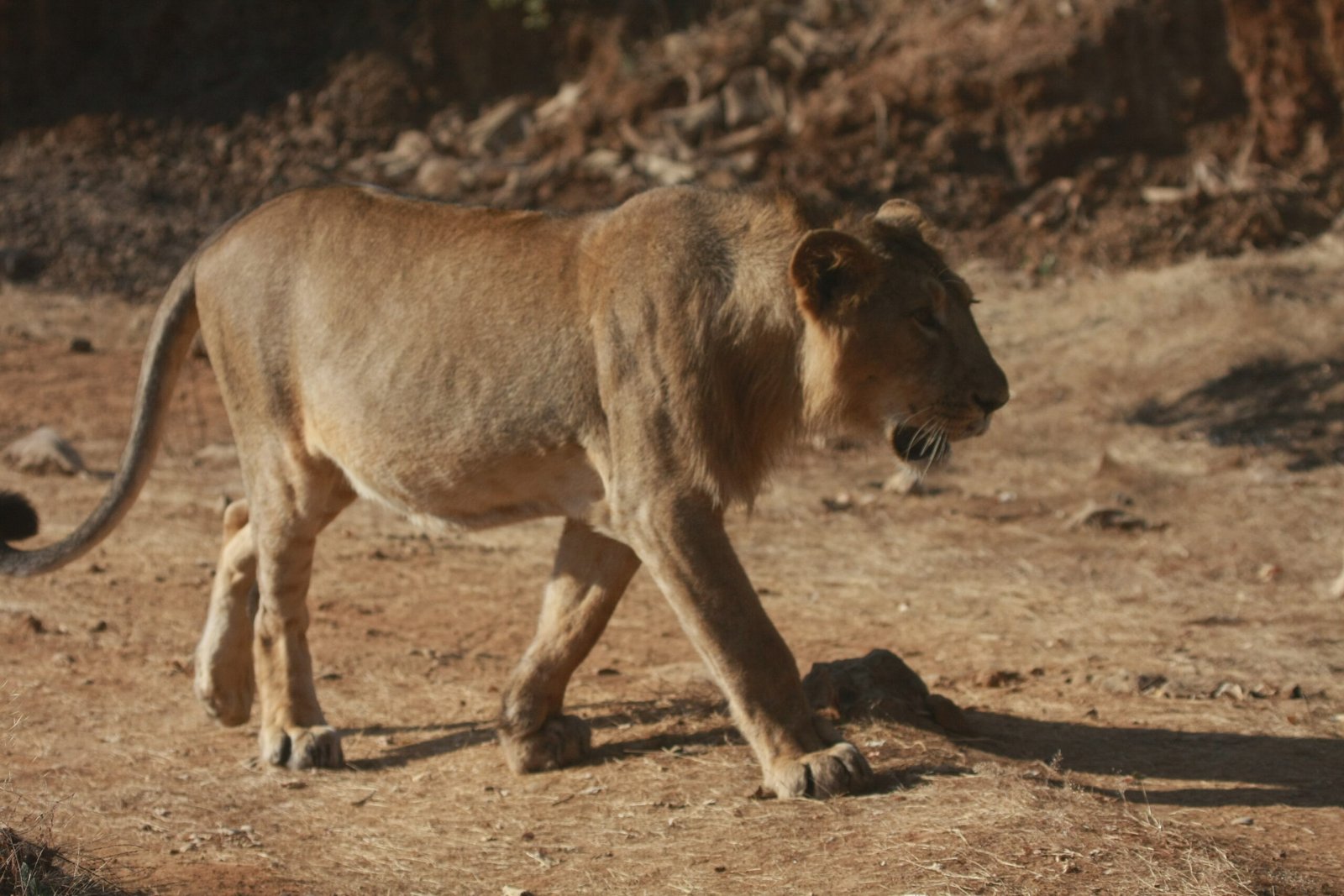
Gir National Park stands apart from India’s other wild places.It covers 4 districts-Junagadh,Gir,Somnath and Amreli. This is the last natural home of the Asiatic lion, a species that has shaped—and been shaped by—this dry, open forest of western Gujarat.