
Bandhavgarh National Park, located in the Umaria district of Madhya Pradesh, is a compact reserve with an outsized presence. Spread,over 1500 sq km, across a rugged terrain of low hills, valleys, and dense sal forests, the park’s relatively small size supports an exceptional concentration of wildlife, making every journey through it feel eventful.
Open meadows and forest clearings support abundant herbivore populations, including chital, sambar, barking deer, nilgai, and wild boar, which in turn sustain one of the country’s strongest tiger populations. Leopards and sloth bears move through the shaded tracts, adding to the forest’s layered life.
The three core tourism zones are Tala,Magadhi and khitauli.
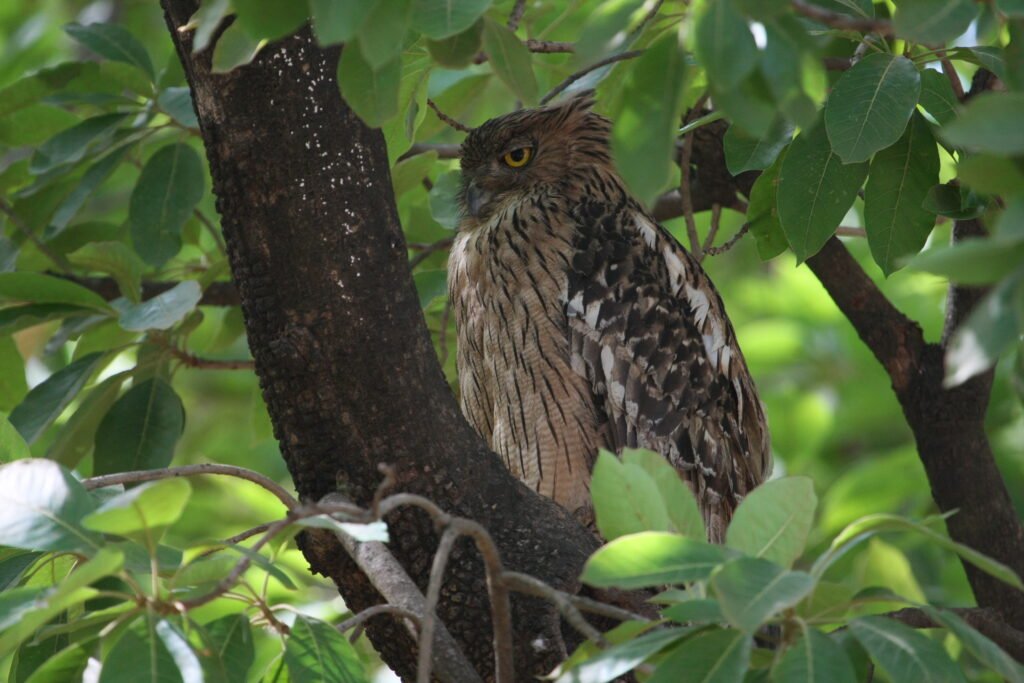
Bandhavgarh also holds a rich avian diversity, with over 250 recorded bird species. From woodland birds hidden in the canopy to waterbirds around seasonal streams and wetlands, birdlife is an integral part of the park’s rhythm, lending sound and movement to the forest throughout the day.
Dense forests, grassy openings, and the ever-present silhouette of the ancient Bandhavgarh Fort combine to give the reserve its distinct character—intimate, intense, and deeply alive.
Bandhavgarh National Park is a relatively small reserve in the Umaria district of Madhya Pradesh, but it is known for its rich wildlife. Despite its size, the park has a high density of animals because of its mix of hills, valleys, and dense forests, making every safari here quite rewarding.
There are many herbivores in the open fields and clearings, such as chital, sambar, barking deer, nilgai, and wild boar. These animals support a strong predator population, especially tigers.
Bandhavgarh is one of the best places in India to see tigers, which makes it a popular choice for wildlife safaris.
Also spotted: Wild Dogs (Dhole), Chital (~40,000), Sambar, Barking Deer & 300+ Bird Species
The park is well known for its high density of tigers, and sightings here are relatively frequent compared to many other reserves.
Apart from tigers, the park supports a rich variety of wildlife:
Leopards- Usually seen in wooded and rocky areas, making them harder to spot.
Deer species- Spotter Deer(chitals), sambhar, and barking deer are seen in herds
Sloth bears – can be seen occasionally in forest patches.
Gaur -the largest herbivore in the region, are often seen grazing in open meadows.
Wild dogs (dholes)- known for hunting in packs.
The park has a mix of dense forests, grasslands, and rocky hills. This varied terrain supports a wide range of species and makes the safari experience more interesting.
Sal forests and bamboo dominate the landscape and form an important part of the ecosystem. These forests support both herbivores and predators, helping maintain a natural balance.
Bandhavgarh is not just about wildlife-it also has deep historical roots.
The ancient Bandhavgarh Fort, located within the park, adds a unique cultural element to the the jungle experience.
Kanha Zone is famous for its beautiful meadows, teeming with herbivores such as the hardground barasingha and spotted deer(chital), which in turn attract predators in good numbers.
Kisli Zone, located closest to Khatia Gate, has a good tiger presence, along with herbivores, gaur and the Hardgound Barasingha.
Mukki Zone is a mix of woodland and meadows, offering excellent chances of encountering tigers.
Sarhi Zone features beautiful landscapes with hills and lakes, along with abundant wildlife.
Jeep safaris in Kanha National Park are conducted with trained drivers and experienced naturalists. They help visitors explore different areas of the park and better understand animal behaviour.
Morning safari lasts five hours. It offers great chances of spotting tigers in the early hours. The Herbivores sightings and birding opportunities are also very good.
Evening Safari-Evening safari is of three hours. There are great chances of spotting Tigers marking their territory and walking along the forest tracks.
October - February
Pleasant weather, ideal for comfortable safaris with great wildlife sightings and birdwatching.
March - June
Best time for tiger sightings, as animals frequent water sources.
July - September
Park remains closed due to rains
There are many ways to get to Kanha by air, rail, and road.
The nearest airport is Jabalpur.
The closest railway stations are Umaria, Katni, and Jabalpur.
Bandhavgarh is well connected to Jabalpur, Katni, and Khajuraho. The drive from Jabalpur takes about 3–4 hours.
Curated Canopy Safaris gives you a full Kanha forest safari booking experience that is professionally handled.
You can book your complete package through Curated Canopy Safaris.
You will need to provide a valid ID (Aadhar card / PAN card / Driving Licence) for permit booking.
Safaris are limited and should be
booked in advance.
Namaskar, I am Dr Suneet Raut. Myself and my wife, Dr Sushila visited Kanha National park, last year, by April 2025. Our close friend, Dr Prakash Babu,called me whether we were interested doing this Safari trip. As we both are nature lovers, and having visited Tadoba and other sanctuaries,were delighted by this call. It was last week of April.We flew from Mumbai to Jabalpur,then to Kanha sanctuary. I must say,the total experience of those 4 days was WONDERFUL. The flights, transportation to and fro by road, the accommodation, food, overall comforts and personal attention and care of Curated Canopy Safaris was exceptional. One thing I would like to mention, that, Dr Prakash himself is a wildlife enthusiast, has a deep knowledge of birds and animals, has good knowledge of flora and fauna. His planning is meticulous and punctual. His venture CURATED CANOPY Safaris is dependable service. We both look forward to join his safaries in future also. -- Dr Suneet Raut, Palghar
We had gone with Dr. Prakash Babu for a Tiger safari to Kanha National Park safari last year. We enjoyed the trip thoroughly. The trip was very meticulasly arranged by Dr. Babu from Curated Canopy Safaris, taking into consideration all the minutest needs of ever member The stay was very comfortable. Tours well arranged and comfortable. We saw 4 tigers and made us all very happy and fulfilled.
Curated Canopy Safaris organised our trip to Kanha National Park in May ‘25. The Stay was in a serene hotel close to the park with amazing food and courteous staff. We did 1 night safari and 4 day safaris. We could see 4 tigers in 5 safaris. The tour guide and drivers were very alert and had a thorough know how of the parks. Besides tigers we could spot many deer, wild boars, peacocks and bisons. Overall we felt the time and money was well spent and looking forward to similar experiences with Canopy Safaris 👍
Attended Curated Canopy Safari trip to Kanha National Park in May 2025 with family and friends, it was a wild thrilling trip, early morning trips,Night rides with awesome rides through jungle. Well organised, over zealous guides,saw a lot of tigers,birds,deers bear etc.It was a wholesome awesome experience, good food, good stay.Looking forward to future safaris with curated canopy safaris.
Dr. Prakash Babu is a true and passionate naturalist, and the ideal person to begin his venture, Curated Canopy Safaris. It is rightly said that a true naturalist is best suited to design wildlife safaris, as such a person is deeply well-versed with nature, flora, and fauna. Dr. Babu brings with him rich and varied experiences from safaris and sanctuaries across India. Along with wildlife exploration, he consistently strives to inculcate a love and respect for nature among the common man. Living in harmony with nature is essential for the survival of our ecology, which today stands at the edge of a cliff, challenged by increasing human impact. We wish him the very best in pursuing his passion, not only through curated wildlife experiences but also in contributing towards the protection of sanctuaries and wildlife. Apart from this, his deep knowledge of birdlife, combined with immersive wildlife exploration, truly serves as a panacea for human stress.
Madhya Pradesh's Mandla and Balaghat districts are home to Kanha National Park.
You can witness a number of birds, as well as Bengal tigers, barasingha, leopards, sloth bears, gaur, and wild dogs.
The optimum time to go is from October to June, and summer is the best time to see tigers.
You can book through safari operators who arrange permits, jeep safaris, guides, and accommodation
(STAY AT DHIKALA, SULTAN, AND GAREL ZONES)
(JHIRNA / BIJRANI / PHATO / DHELA AND FOUR OTHER FRH ZONES)
(DHIKALA ZONE)